Pathogens without payback: when sharing isn’t caring


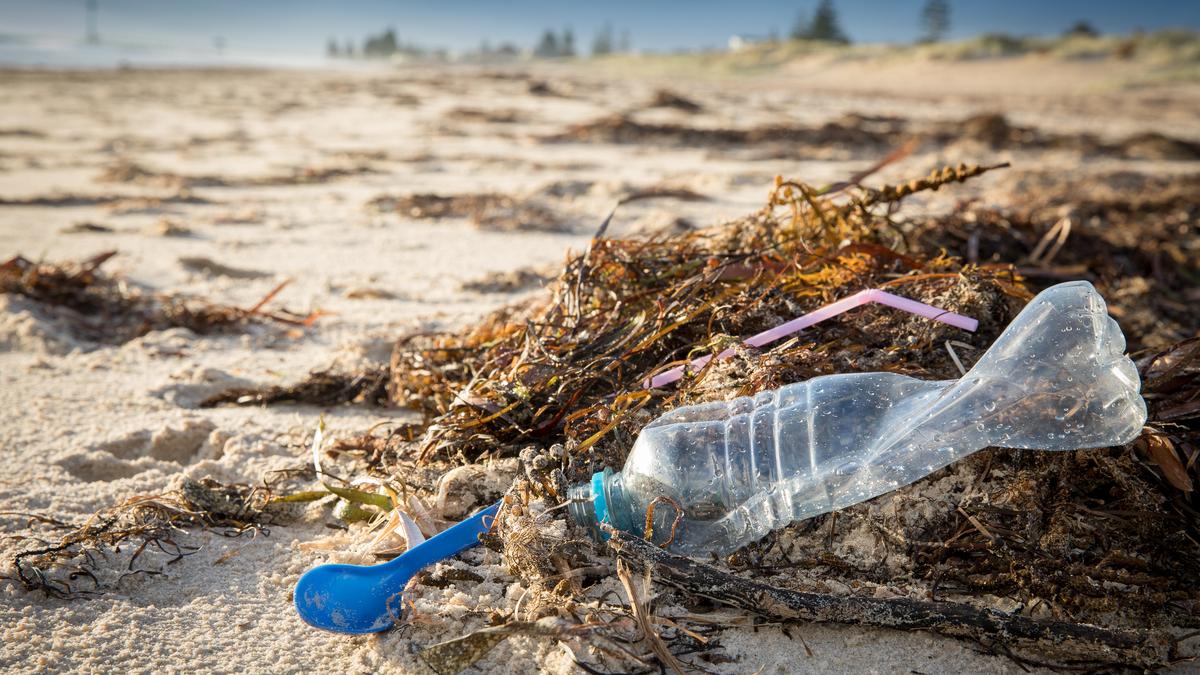
Low- and middle-income countries where new pathogens often emerge, are expected to proactively share biological materials and genomic data with the world. However, countries that develop life-critical vaccines, therapeutics and diagnostics using that material are under no obligation to reciprocate with fair and timely access to these clinical products. Image used for representational purposes only
| Photo Credit: Getty Images

Low- and middle-income countries (LMICs) in Africa, Southeast Asia and Latin America, where new pathogens often emerge, are expected to proactively share biological materials and genomic data with the world through the World Health Organization (WHO). However, countries that develop life-critical vaccines, therapeutics and diagnostics (VTDs) using that material are under no obligation to reciprocate with fair and timely access to these clinical products. Risks are shared; rewards are not.
Published – April 24, 2026 06:00 am IST
Discover more from stock updates now
Subscribe to get the latest posts sent to your email.