


GPs and LPs Explained: Who Does What in Private Funds
Private market conversations come with their own vocabulary, and the two acronyms GP (General Partner) and LP (Limited Partner) frequently appear in documents, pitch materials, and manager meetings. There’s a perception that these terms are widely understood, but they often confuse newcomers to private markets.
As distribution channels broaden to include a wider range of participants, from advisors and trustees to individual investors, foundational knowledge of the roles of the GP and the LP is critical. Access to private funds remains subject to regulatory eligibility requirements that vary by fund type and jurisdiction.
Key Takeaways
- A Limited Partner is an investor who contributes capital to a private fund but has no role in management or investment decisions.
- A General Partner is responsible for investment decisions, portfolio operations, and overall fund strategy.
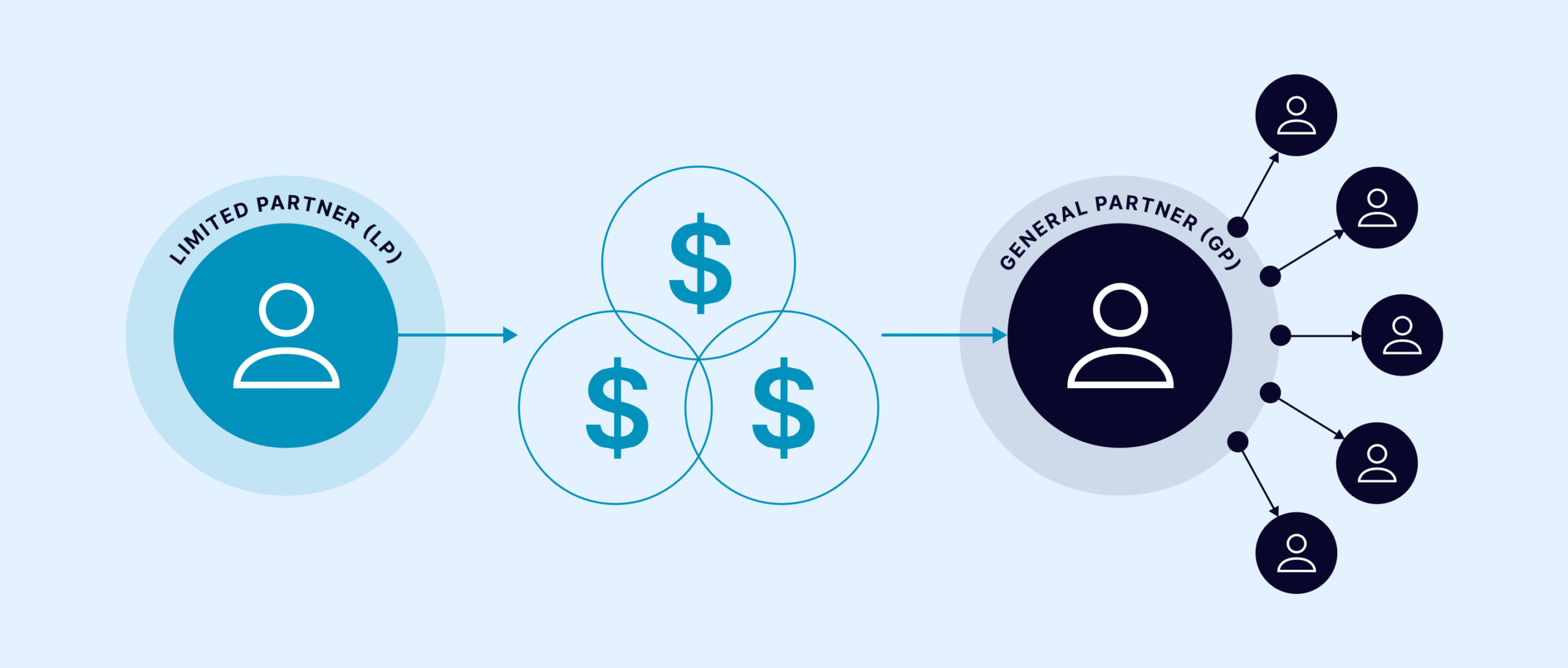
- LPs supply the capital while GPs determine how it is invested. This division is the defining feature of the private fund structure.
- LPs have limited liability with their financial exposure typically limited to the capital they have committed to the fund. GPs assume broader operational and legal responsibility for fund activities.
- The GP/LP framework is standard across private equity, venture capital, private credit, real estate, and infrastructure funds. While the strategies differ, the structure is the same.
What Are GPs and LPs?

A general partner (GP) is the manager of a private fund, defined as a pool of money from multiple investors managed by advisors on behalf of the fund, and is partly responsible for making day-to-day operational and investment decisions. A Limited Partner (LP) is an investor who contributes capital to the fund but does not participate in management. In short, an LP provides money while a GP decides where it goes.
The Simple Distinction Capital vs. Decisions
Most private funds are structured as a limited partnership. The Institutional Limited Partners Association (ILPA), a trade body representing institutional LP investors, defines a limited partnership as an organization comprising a general partner who manages a fund and limited partners who invest money and have limited liability, with no involvement in day-to-day management. “General” signals broad authority for strategy, due diligence, portfolio management, and investor reporting.
The GP/LP framework is the standard architecture across private equity, venture capital, private credit, and real estate and infrastructure funds. While the strategies and target assets differ from each other, the underlying relationship between capital provider and fund manager is the same. Understanding this division on who provides capital and who decides how it is deployed is critical for evaluating any private fund structure.
What Does a Limited Partner (LP) Do?
Capital flows into private funds from a single primary source: the Limited Partner. LPs make the operations possible and understanding who they are clarifies the foundation of the entire structure.

Who Are Limited Partners?
LPs have typically been dominated by large institutional investors, such as pension funds, university endowments, and sovereign wealth funds, who allocate a proportion of their portfolios to private markets.
What “Limited” Actually Means
The word “limited” carries a precise legal and operational meaning. It implies limited liability, typically capped at the capital the LP has committed to the fund. It also implies limited involvement, as LPs do not make investment decisions or participate in day-to-day fund activities.
The LP’s Role in the Fund Relationship
LPs commit capital based on their assessment of the GP’s strategy, track record, and team. They rely on the GP to manage the portfolio. However, they do have certain rights, such as participating in advisory committees and voting on material fund events.
What Does a General Partner (GP) Do?
While the LP’s role is to provide capital, the GP’s role is to put the capital to work. The general partner is the active engine of the fund and is responsible for every decision made from the moment capital is committed until returns are distributed.
The GP’s Core Responsibilities
The GP’s responsibilities span the full lifecycle of a fund’s investments, including identifying investment opportunities and conducting due diligence in assessing risk, financials, and operational factors. The GP manages the portfolio companies through the holding period to build while also keeping investors informed on performance, portfolio developments, and material events.
Decision-Making Authority
LPs commit capital to a fund, reflecting confidence in the GP’s judgment and track record. The GPs have broad authority to make investment decisions within the parameters set by the fund’s governing documents.
Skin in the Game: The GP Commitment
GPs usually invest their own money in the fund alongside LPs, a practice referred to as the GP commitment. This requirement is common across private market funds and is designed to align the interests of the general partner with those of the limited partners. By committing personal capital, the GP is directly exposed to both the upside and downside of the fund’s performance, which strengthens their motivation to make prudent investment decisions. The GP/LP structure is purposefully built to ensure both parties share in the results of the fund, fostering a partnership where incentives are closely linked to fund outcomes.
How GPs and LPs Work Together
The GP/LP structure isn’t a simple division of labor. It is designed to align the interests of two parties with different roles to a single principle, where fund performance forces both parties to bear the benefits or the consequences.
Aligning Interests Fees and Carry
The GP/LP relationship has two economic structures. First is the management fee, an annual charge to cover operating costs like salaries, deal sourcing, and fund administration. The second is carried interest, which is the GP’s share of the fund’s profits, paid only after LPs have received their committed capital back, plus a minimum agreed return.
Communication and Reporting
GPs have an obligation to keep LPs informed through quarterly and annual reports, audited financial statements, and capital accounts statements. This enables LPs to monitor performance and to meet their own obligations to their stakeholders.
The Partnership Dynamic
The GP/LP structure works because each party offers something the other cannot provide on its own. LPs provide capital, while GPs bring investment expertise, market relationships, and operational capacity. The combination of complementary strengths and aligning incentives has proven to be a solid architecture of private markets.
Why Understanding GP/LP Roles Matters Now
As access to private funds broadens, foundational knowledge of the GP/LP structure is becoming relevant to a wider range of participants, not just the institutional investors.
Expanding Access to Private Markets
Regulatory reforms, new fund structures, and evolving distribution channels are expanding who can participate in private markets. Wealth advisors, individual investors, and trustees are increasingly encountering fund structures that were once the exclusive territory of institutional allocators. Industry efforts are working to expand retail access to private markets. However, private fund investments typically remain subject to eligibility requirements, such as accredited investor or qualified purchaser status, depending on the fund structure and jurisdiction. Prospective investors should consult with qualified advisors to determine whether private market investments are appropriate for their financial situation, investment objectives, and risk tolerance.
Building Foundational Knowledge for Better Conversations
As a wider range of investors participate in private funds, understanding the GP/LP structure is critical. It equips allocators, advisors, and new entrants to ask better questions, evaluate funds more effectively, have more productive conversations with fund managers, and have meaningful engagement with private markets. Participation in private funds typically requires meeting specific investor eligibility criteria established by securities regulations and fund governing documents.
Navigating Private Markets With Better Data
Understanding the GP/LP structure is the basis for evaluating which GPs have the strategies, track records, and operational discipline to warrant LP commitment. That calls for reliable data, analytical tools, and market intelligence that go far beyond the foundational definitions.
Nasdaq eVestment™ for Private Markets offers GPs, LPs, and advisors the portfolio analytics and market insights needed to support due diligence, benchmark performance, and navigate the private markets. The platform can help institutional market participants make more informed decisions across the investment lifecycle.
To see how Nasdaq eVestment supports private market decision-making, request an informational demo.
GPs and LPs Frequently Asked Questions
What does GP mean in private equity?
GP stands for General Partner, the entity responsible for managing a private fund, making investment decisions, and overseeing all fund operations, in exchange for a management fee and a share of the fund’s profits.
What does LP mean in private funds?
LP stands for Limited Partner and is an investor who contributes capital to a private fund but does not participate in day-to-day management. The term “limited” refers to both limited operational involvement and limited financial ability.
What is the difference between a GP and an LP?
GPs manage the fund and make all investment decisions, which LPs provide the capital. GPs assume broader operational and legal responsibility for the fund. Both parties share in the fund’s returns, under terms governed by the fund’s agreement.
Who provides the money in a private fund?
Limited Partners (LPs) provide the majority of capital in a private fund. GPs also typically invest a portion of their own capital alongside LPs (a requirement known as the GP commitment) to ensure their financial interested are aligned with those of the fund investors.
Who makes investment decisions in a private fund?
The GP makes all investment decisions on behalf of the fund. GPs exercise this discretion within the parameters established by the fund’s governing documents.
What does “limited” mean in Limited Partner?
“Limited” refers to limited involvement in fund management and limited liability for the fund’s obligations. LPs do not direct investment decisions, and their financial exposure is limited to the capital they have invested.
Do GPs invest their own money in the fund?
Yes, GPs invest their own capital alongside LPs, in a practice known as the GP commitment. It aligned their financial interests directly with those of the fund investors, with whom they share in the fund’s performance.
Discover more from stock updates now
Subscribe to get the latest posts sent to your email.