




Archaeologists find unexploded mortar shell at Culloden Battlefield after 280 years
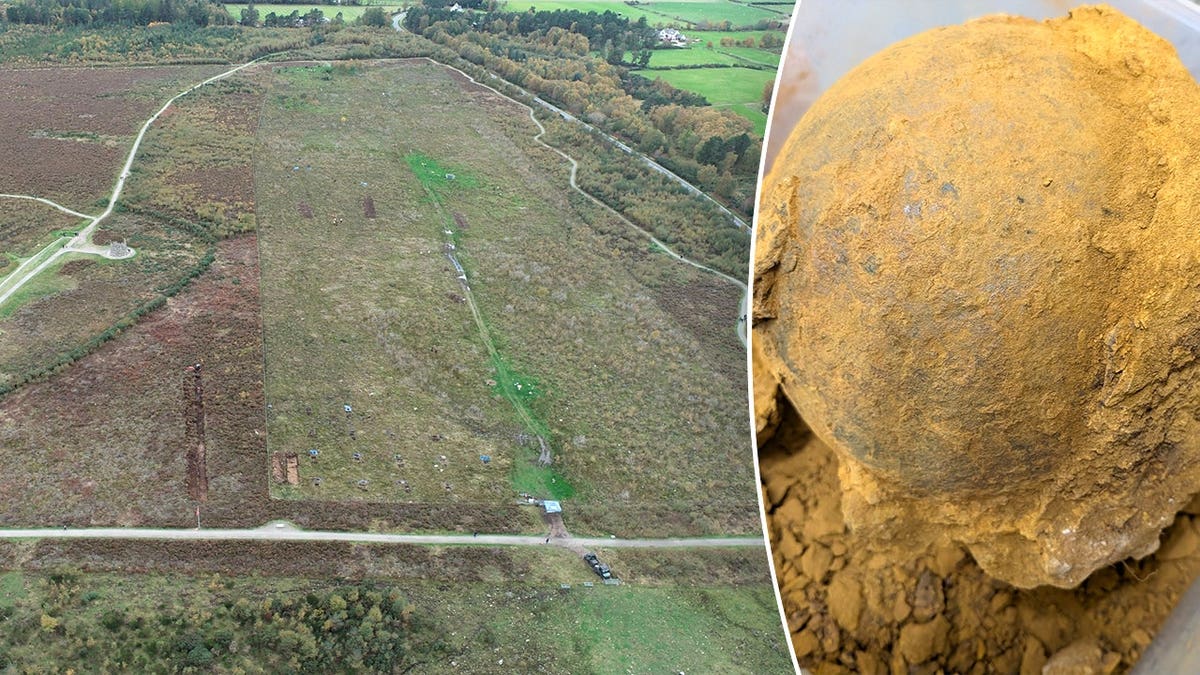
Archaeologists have uncovered a mortar shell from the bloodiest battle in Scotland’s history — a shell that never detonated.
The National Trust for Scotland (NTS) announced in mid-April that its archaeologists had found a mortar shell at Culloden Battlefield, just outside Inverness in the Scottish Highlands.
The Battle of Culloden was fought on April 16, 1746, when a Jacobite force led by Charles Edward Stuart — known as Bonnie Prince Charlie — clashed with troops loyal to King George II.
SURPRISED ARCHAEOLOGISTS UNEARTH ANCIENT GRAVES CAUGHT BETWEEN PAGAN, CHRISTIAN RITUALS IN POLAND
In under an hour, the Jacobites were crushed, ending any serious bid to restore the Stuart monarchy. Culloden remains the last large-scale pitched battle fought on British soil.
Officials believe that the recently uncovered shell was fired by government artillery during the battle.

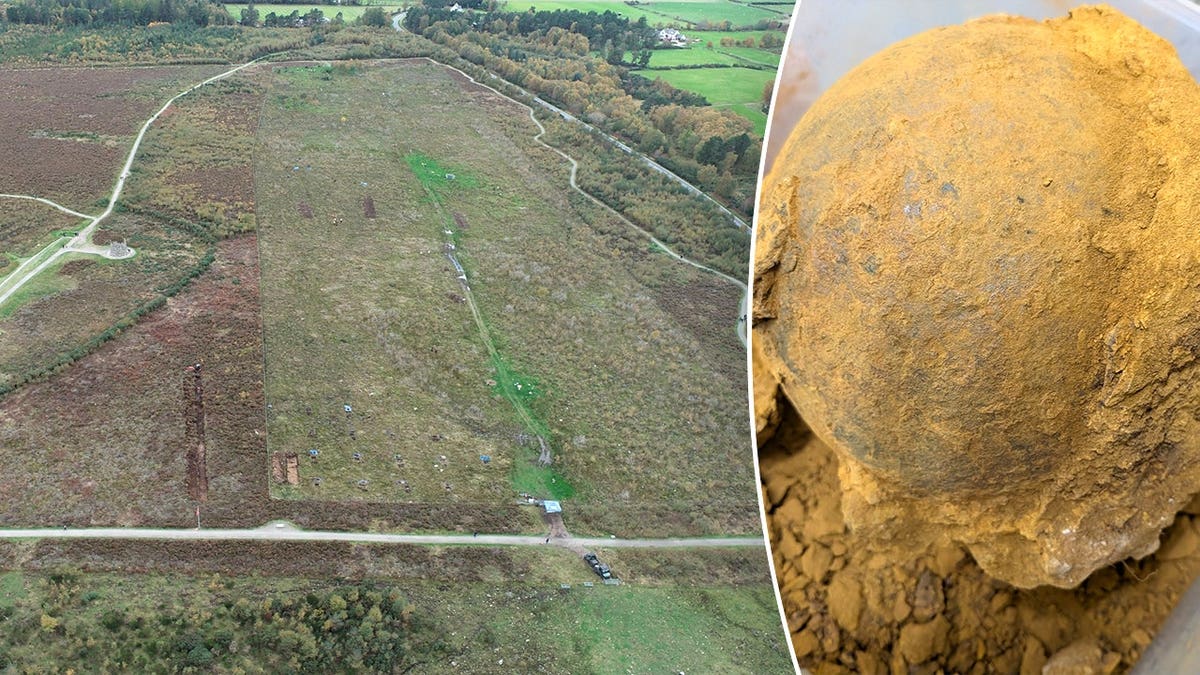
“Intact and gunpowder-packed when it was discovered, the 5.5-inch shell is the first piece of complete government ordnance found at Culloden battlefield. [It] provides fresh evidence for the deployment and action of government and Jacobite forces at pivotal moments in the battle,” the statement said.
DISCOVERY AT MONTICELLO REVEALS CONSTRUCTION SECRETS THOMAS JEFFERSON LEFT OUT OF MAPS AND LETTERS
“Many other projectiles, including cannon shot, musket balls and fragments of mortar shells, have been uncovered at Culloden, but never before has undetonated ordnance been found,” the statement also said.
The shell, weighing nearly 18 pounds, is believed to have been fired from one of the government’s Coehorn mortars.
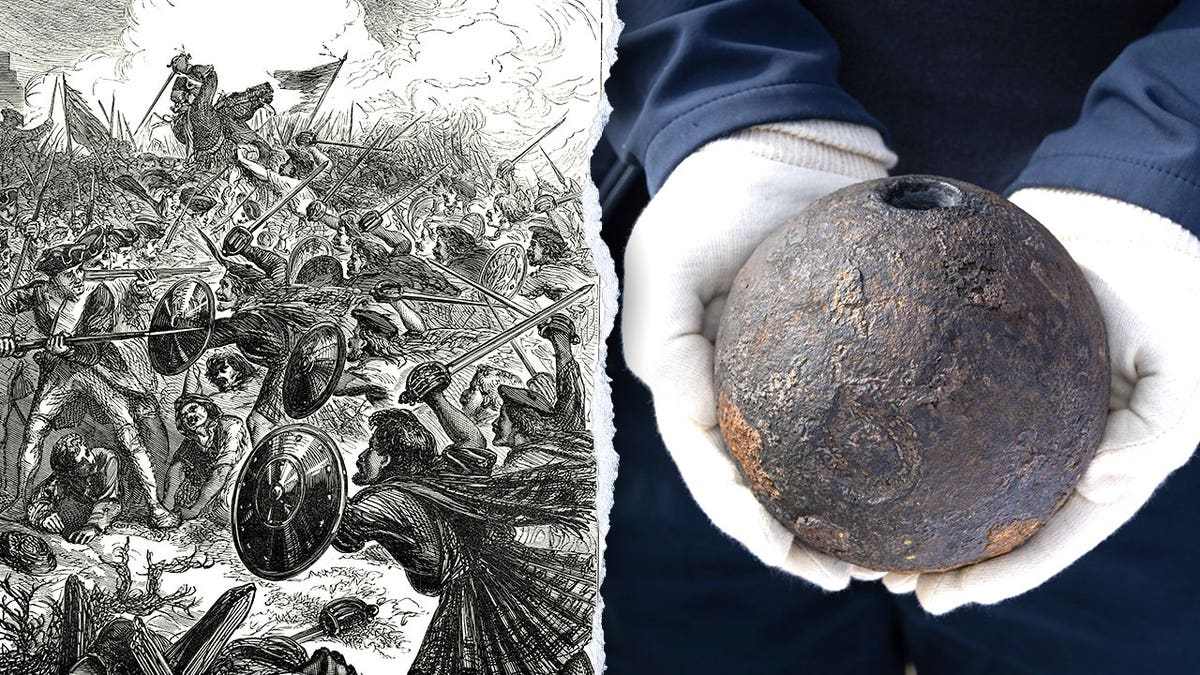
Archaeologists uncovered an unexploded mortar shell at Scotland’s Culloden Battlefield, offering new insight into the 1746 clash. (iStock; National Trust for Scotland)
It was uncovered during excavations in October 2025, but officials did not announce the discovery until April 16 — which marked the 280th anniversary of the Battle of Culloden.
Other projectiles, including pistol shot and lead musket balls, were also found.
CLICK HERE TO SIGN UP FOR OUR LIFESTYLE NEWSLETTER
“Parts of the battlefield are on boggy ground, and it is thought the shell landed on wet ground and the fuse extinguished before it could ignite the powder,” noted officials.
The shell still contained remnants of its original plug and traces of plant material, which were recovered for analysis.
“This discovery helps us better understand the formation of troops and concentration of fire during this brief, but brutal, battle.”
Officials said that, once the black powder in the shell was exposed, there was a “slight exothermic reaction.”
CLICK HERE FOR MORE LIFESTYLE STORIES
A specialist “safely cleaned out the interior of the shell, preserved samples of the contents for further study, and certified the shell as free from explosive hazard,” the release noted.
In a statement, the NTS’s head of archaeology, Derek Alexander, called the discovery a “remarkable — dare I say, explosive — find of the kind archaeologists dream of, but never expect to encounter.”
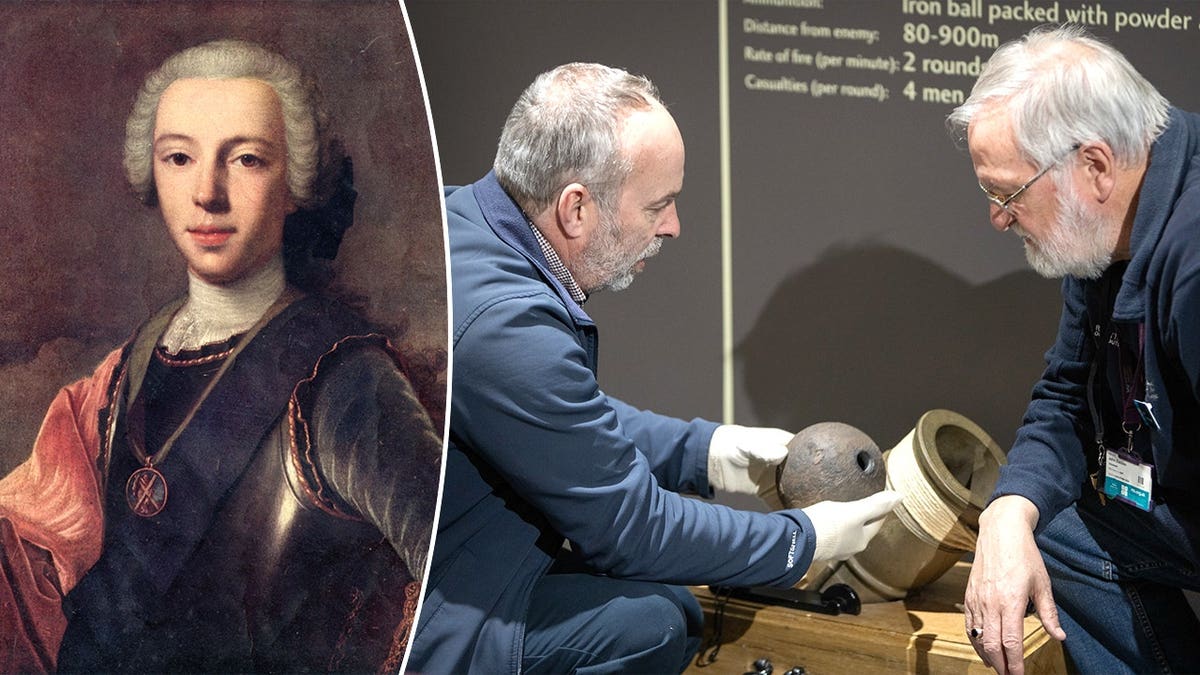
Charles Edward Stuart, known as Bonnie Prince Charlie, is seen at left. Archaeologists are continuing to uncover new evidence from Culloden. (Hulton Archive/Getty Images; National Trust for Scotland)
“Along with the other projectiles recovered, this discovery helps us better understand the formation of troops and concentration of fire during this brief, but brutal, battle,” said Alexander.
TEST YOURSELF WITH OUR LATEST LIFESTYLE QUIZ
“The mortars may have been aiming at the Jacobite artillery, so the place where the shell landed may mark the heart of the Culloden battlefield.”
An NTS official told Fox News Digital the shell was buried nearly a foot underground — something only professional archaeologists could uncover — and that the site remains safe for visitors.

Archaeologists in Scotland previously found more than 100 projectiles at Culloden Battlefield. (National Trust for Scotland)
The discovery comes just months after officials announced a similar find at the same battle site.
CLICK HERE TO DOWNLOAD THE FOX NEWS APP
In late 2025, officials announced archaeologists had uncovered a cache of bullets fired during the Battle of Culloden, shedding new light on its final moments.
Discover more from stock updates now
Subscribe to get the latest posts sent to your email.
