

What to expect from pharma at the JPM conference
Jonathan Ernst | Reuters
Next week, I’ll be attending the annual JPMorgan Healthcare Conference — the largest gathering of biotech and pharma execs, investors and analysts in the U.S.

The conference often sets the tone for the year ahead, and will offer an early pulse on what the health-care industry could look like in 2026. Executives from companies large and small are expected to roll out key business and drug pipeline updates, announce splashy M&A deals and offer their read on industry sentiment more than a year into Trump 2.0.
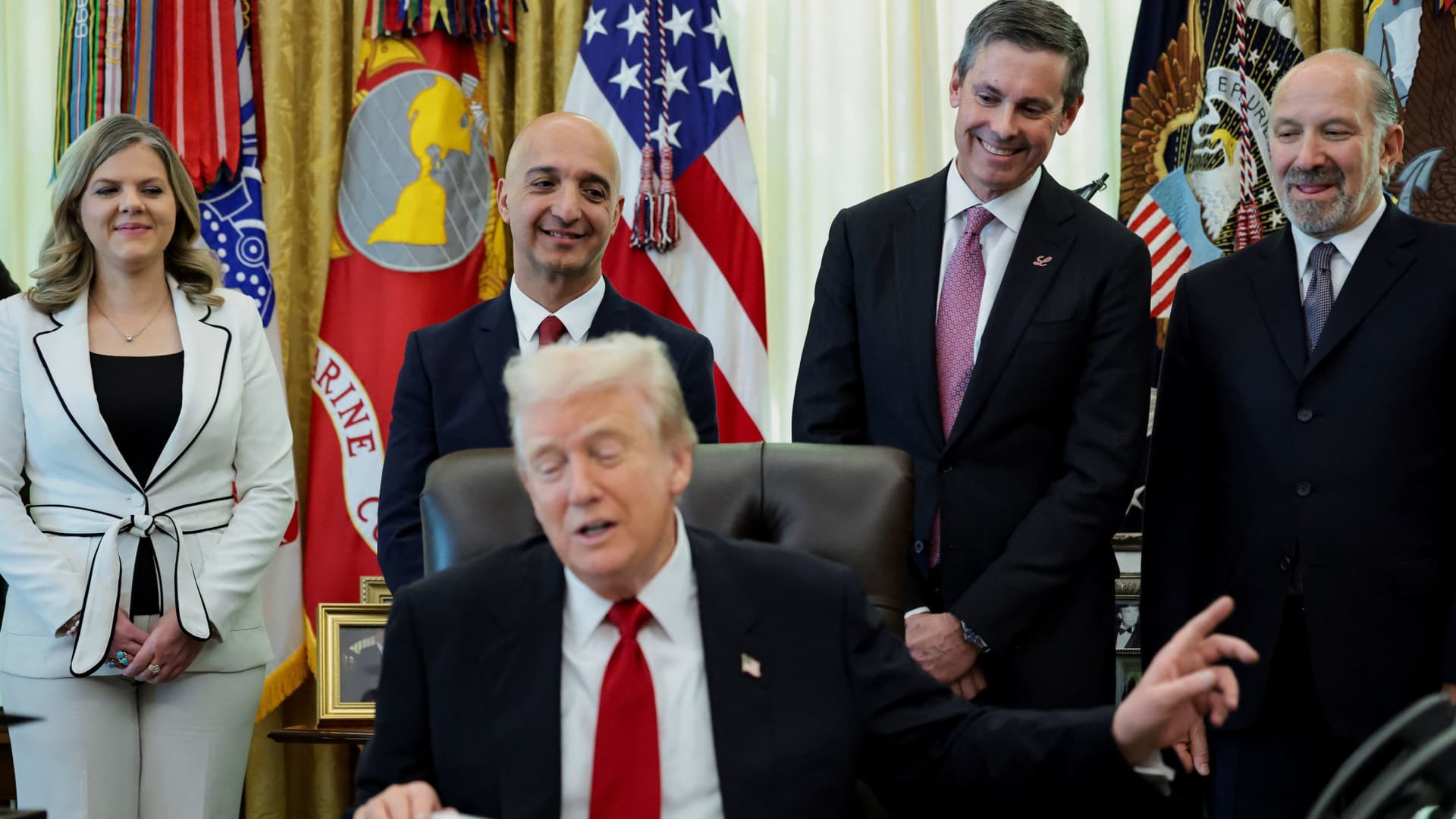
That backdrop looks different than many in the industry feared earlier in 2025. Several major drugmakers ended the year with landmark drug pricing deals with President Donald Trump — and a reprieve from his planned sector-specific tariffs. As a result, drug pricing and other policies may not dominate executive conversations with investors for the first time in years.
Wall Street will likely zero in on pharma’s other problem: A roughly $300 billion patent cliff by the end of the decade. Blockbuster drugs such as the blood thinner Eliquis from Bristol Myers Squibb and Pfizer and Merck’s top-selling cancer immunotherapy Keytruda will face competition from cheaper competitors in the years ahead, and companies are racing to offset those drops in revenue.
For example, Bristol Myers Squibb has the highest exposure to the upcoming loss of exclusivity cycle, according to a note from JPMorgan analysts in late December. But the company has several data readouts this year that will provide clarity on its ability to grow after 2028.
Investors will likely have questions about the upcoming Alzheimer’s psychosis trials — called the Adept program – for Bristol Myers Squibb’s Cobenfy, a prescription medication approved in late 2024 for treating adults with schizophrenia. JPMorgan analysts see “a reasonable probability of success” for those studies.
For Merck, Keytruda’s loss of exclusivity is looking increasingly easier to manage. In September, a more convenient subcutaneous form of the drug won U.S. approval (Keytruda is traditionally administered intravenously.) That new form should protect around 20% to 30% of Merck’s U.S. sales of Keytruda.
All eyes will be on Merck’s 2026 drug pipeline updates. That could include initial results from a phase three trial on a flu prevention product from Cidara Therapeutics, which the company acquired in November.
Merck may also have more deals up its sleeve: The FT on Thursday reported that the pharma company is in talks to buy Revolution Medicines, a cancer drugmaker with a market cap of more than $20 billion.
Obesity will also remain a hot topic during the conference, as Novo Nordisk and Eli Lilly roll out or prepare to release GLP-1 pills and other drugmakers race to catch up.
I’m looking for any additional details from Novo Nordisk on the launch of its Wegovy pill, which began to reach patients this week, and what the company plans to focus on next. Eli Lilly will also touch on what to expect from its own oral GLP-1 called orforglipron, which will likely win Food and Drug Administration approval in the first half of the year.
Both companies will also likely face questions about the evolving GLP-1 market dynamics, including the direct-to-consumer channel and Medicare coverage for obesity drugs starting toward the middle of the year.
Names like Amgen, AstraZeneca and Pfizer, which recently acquired the obesity biotech Metsera, will also face questions about their ambitions in the weight loss drug market.
Be sure to keep up with our coverage throughout the week! And please stop by and say hi if you see me on the ground in San Francisco.
Feel free to send any tips, suggestions, story ideas and data to Annika at a new email: annika.constantino@versantmedia.com.
Discover more from stock updates now
Subscribe to get the latest posts sent to your email.