What to expect at The Gathering’s second edition in Mumbai
In Somerset, a Michelin-adjacent restaurant, Osip, mounted an exhibition-in-residence programme that integrated ceramics, sculpture, and photography into the dining room as an ongoing conversation with seasonal produce and local materials; the effect felt less like decoration and more like an extended essay. The artist’s objects were not just backdrop but instruments that altered how the food touched the plate, how it cooled, how it was held — small physical contingencies that changed experience.
Likewise, festivals such as Serendipity Arts have commissioned multisensory installations in which sound, scent, and curated tastings cohere into speculative fictions — for instance, staged tastings imagining future ecologies and the flavours that might survive in an uncertain climate. When the premise is not merely spectacle but research — when it asks, “What does cultural memory taste like?” or “How does displacement change a spice profile?” — the work acquires intellectual and ethical weight.
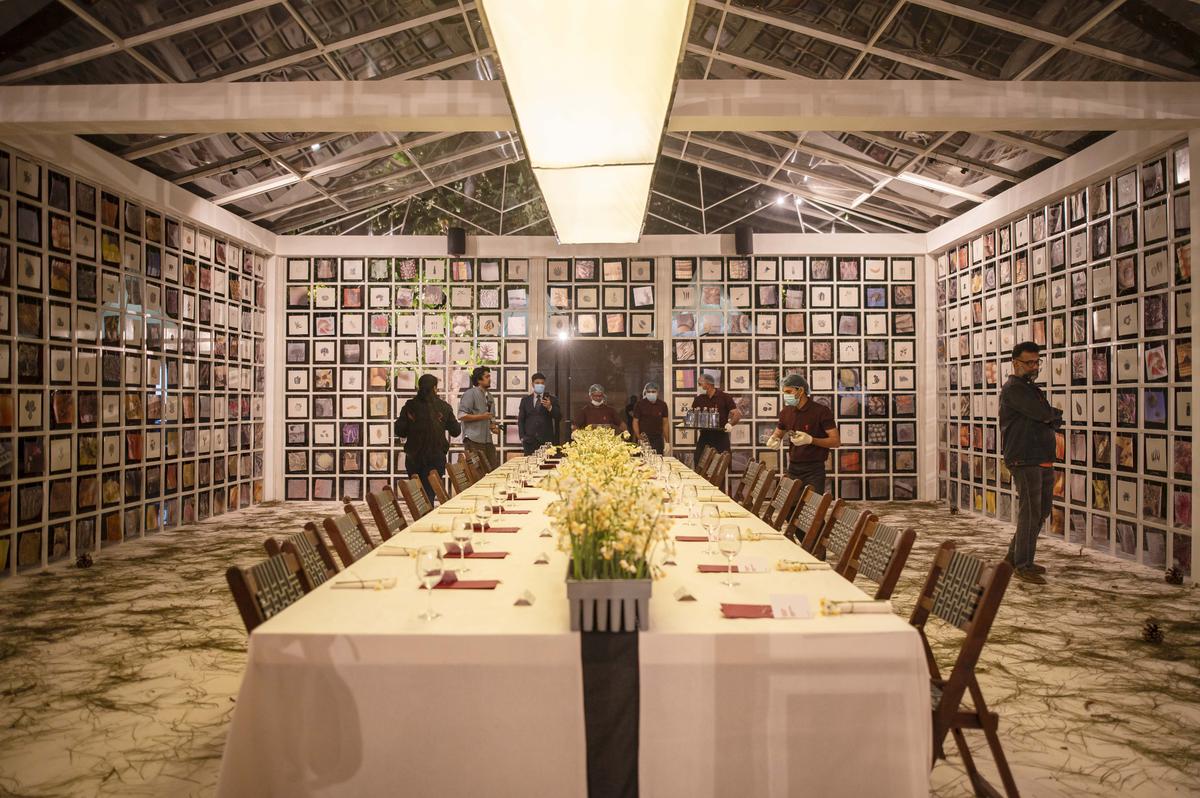
From the first edition of The Gathering, in Delhi
| Photo Credit:
Special arrangement
There is an unavoidable market dynamic underneath much of this activity. Galleries and fairs have long relied on hospitality as a tool for longer dwell times and higher price thresholds; restaurants have used art partnerships to create distinct identities in a crowded market. Sometimes those mutual needs produce genuinely inventive work; at other times they generate a loop of mutual legitimisation where art lends cachet to a chef and the chef supplies photographs for a gallery’s feed. The line between cultural dialogue and commercial theatre is porous, and that very porosity is a political argument we are all, often uncomfortably, complicit in.

Yet the impulse itself feels worth taking seriously: an attempt to give food cultural ballast beyond novelty, to let it operate as a medium of meaning rather than mere consumption.
One of the clearest manifestations of this ambition arrives this January, when The Gathering returns with its second edition, transforming Mumbai’s Mukesh Mills into what its organisers describe as an immersive stage for food, art, ideas, and performance. After its debut in Delhi, Edition 02 unfolds across three days (January 16–18), positioning itself less as a food festival than as a tightly curated cultural encounter — one that borrows as much from the grammar of exhibitions and salons as it does from tasting menus.
At the centre of the festival are five chef × artist–led pop-up restaurants, each offering multi-course tasting menus limited to 20 guests per seating. These collaborations are anchored around three curatorial impulses: conservation, exploration, and innovation. Textile histories are translated into sensory experiences where fabric, flavour, and memory intersect; cross-border culinary identities trace highland ingredients and diasporic nostalgia; contemporary menus reflect on belonging — not as inheritance, but as something assembled through movement, adaptation, and choice. Each collaboration exists only for this moment, never to be repeated, leaning heavily on the rhetoric of ephemerality that has become central to food-as-art practice.
The explorers: memory as material
For Kolkata-based Doma Wang, whose collaboration with Sachiko Seth and architect Udit Mittal traces cross-border culinary identities, the surprise was not difference but familiarity. “We come from different disciplines, perhaps,” she says, “but the core is the same. The work ethic is the same.” What created alignment, she notes, was not aesthetics but values — the shared understanding of what it means to build something with care, especially within family-run practices. “Udit really got our vision of what we had in mind,” she recalls. “We bonded over food and it just flowed seamlessly into the design language.” Their collective imaginations have given birth to The Noodle Factory, a return to where Doma’s story began, a noodle shed in Kalimpong where dough was mixed by hand, bamboo poles doubled as tools of labour, and noodles hung overhead like constellations.
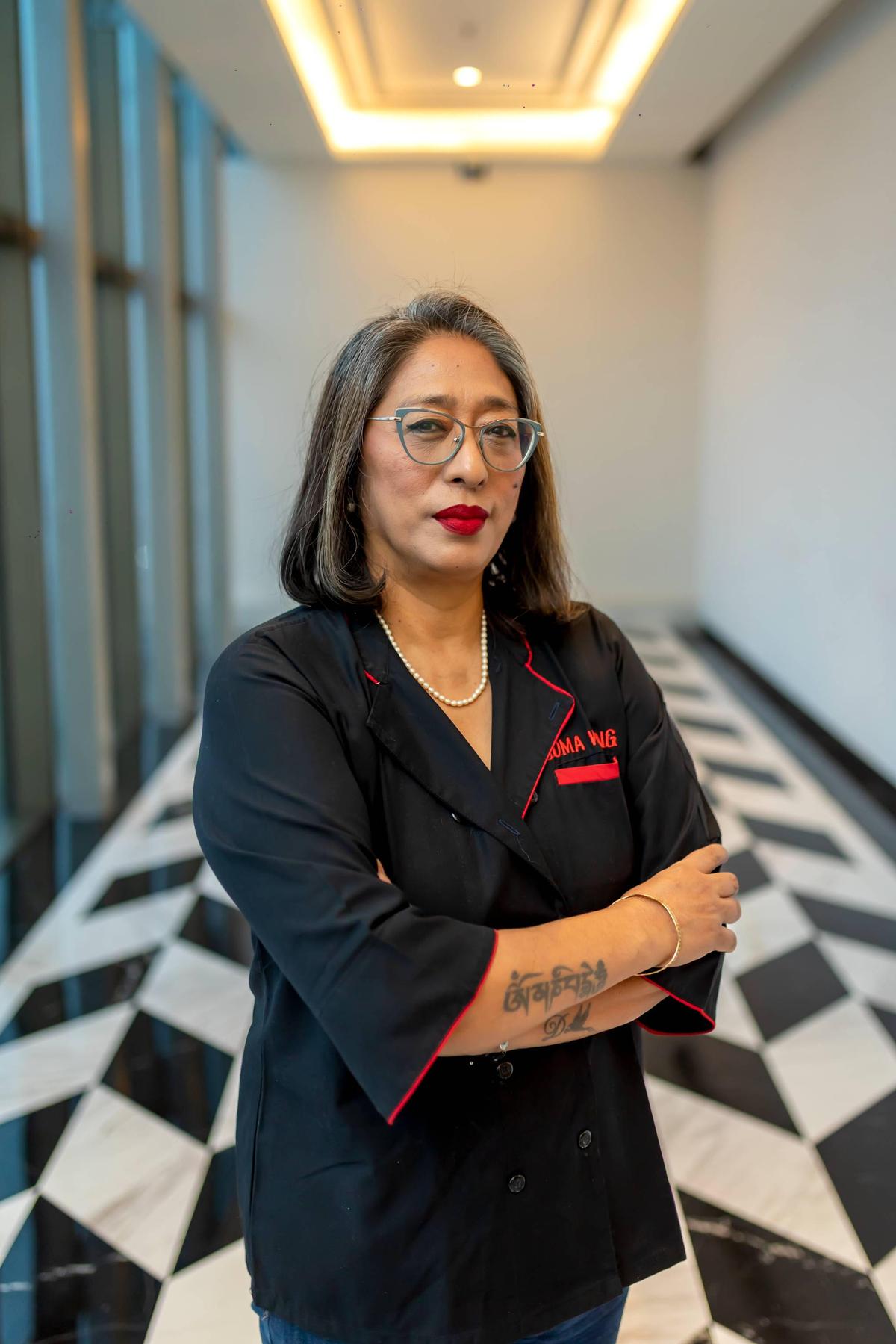
Doma Wang
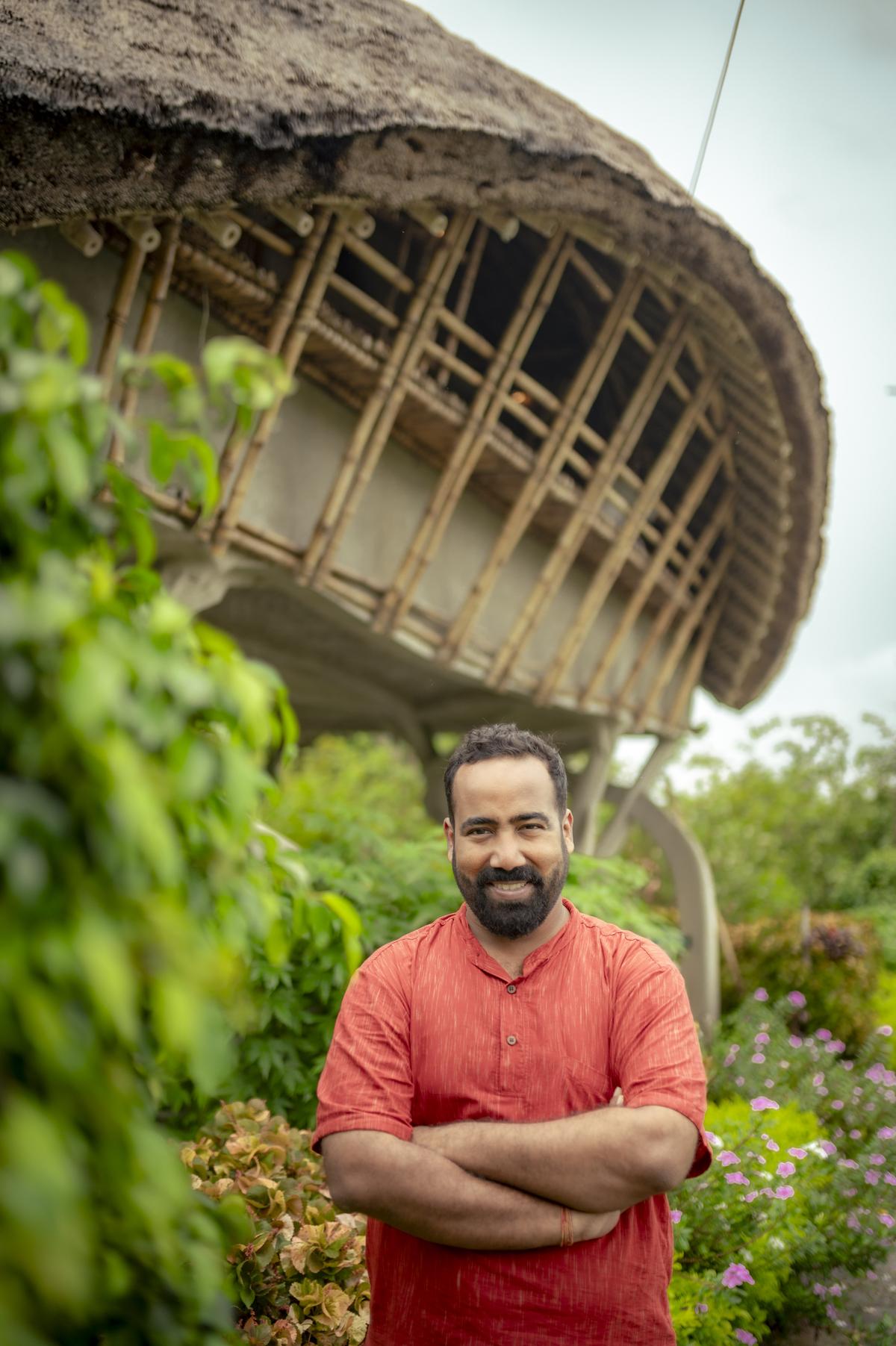
Udit Mitall in front of the noodle factory
| Photo Credit:
SNEHADEEPDASPHOTOGRAPHY
That flow crystallised early. “It was during the first meal we shared,” Doman says, recalling a moment when ideas stopped needing translation. An image proposed across the table — noodles made from cane, physically flowing through the table — became a kind of conceptual anchor. “That got us really excited to see what else he would come up with.” The excitement was not about spectacle, but about permission: the sense that memory, material, and imagination could coexist without hierarchy.
The innovators: when form learns from flavour
Designer Ankon Mitra describes his collaboration with chef Ralph Prazeres not as a surprise, but as an escalation of long-held curiosity. Having designed restaurant spaces for over two decades, Ankon was drawn to what he calls the “five-dimensional artistry” of chefs — their instinctive engagement with all five senses. “For someone designing the space where people sit down to a special meal,” he explains, “this is a beautiful opportunity to aspire to that same multi-dimensionality.”
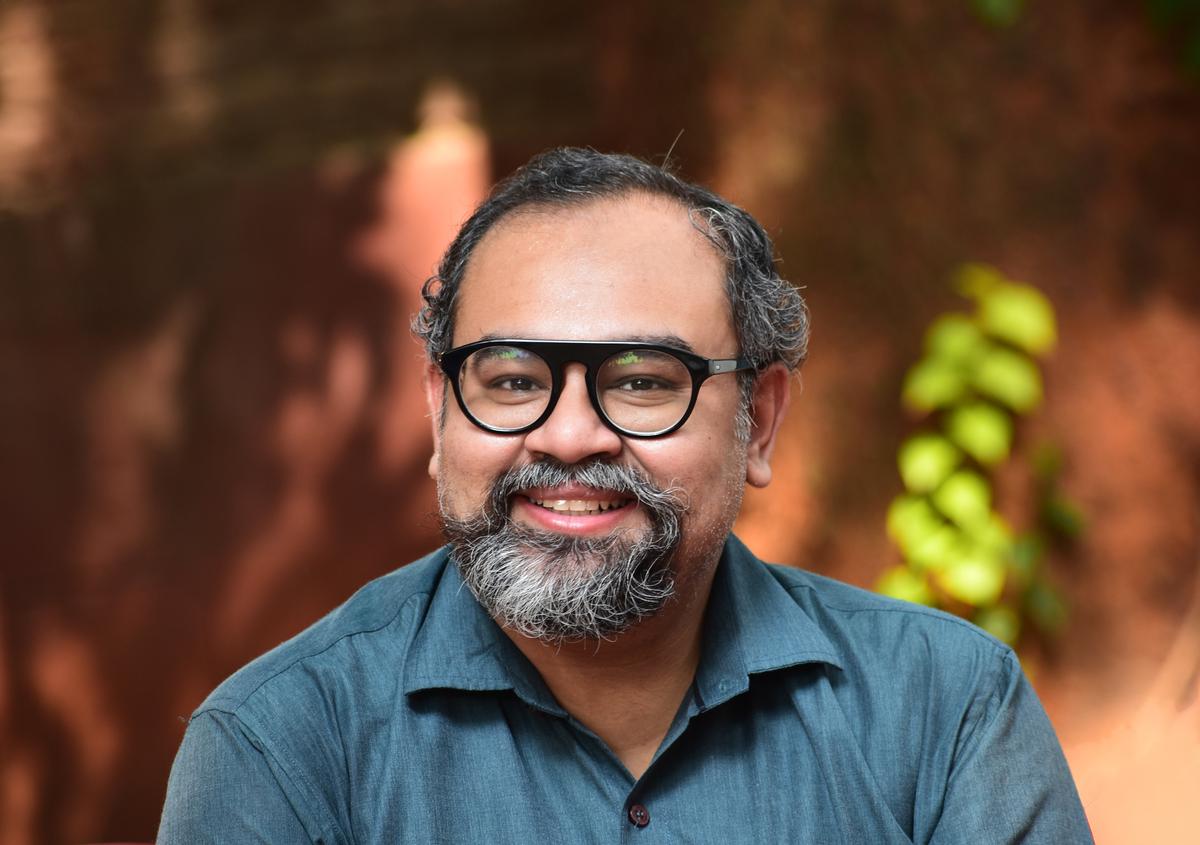
The connection clicked through hybridity. Ralph’s culinary identity — Goan heritage shaped by French and European technique — mirrored Ankon’s own artistic language, which combines Indian forms with the precision of Japanese origami. “It felt like stories melding between two worlds and two forms of art effortlessly,” Ankon says. What diners will experience, as a result, is not thematic mimicry but structural resonance: the lushness of the Konkan coast rendered in glowing whites, where light and shadow do the work of colour.
The conservators: suggestion over spectacle
If any collaboration embodies the festival’s resistance to overt symbolism, it is the conversation between Mumbai’s chef Niyati Rao and designers Abraham & Thakore from Delhi. Niyati speaks of an immediate alignment of instincts. “Abraham & Thakore work with restraint, structure, and deep respect for origin — and that’s exactly how I approach food,” she says. “There was no need to make things loud.”
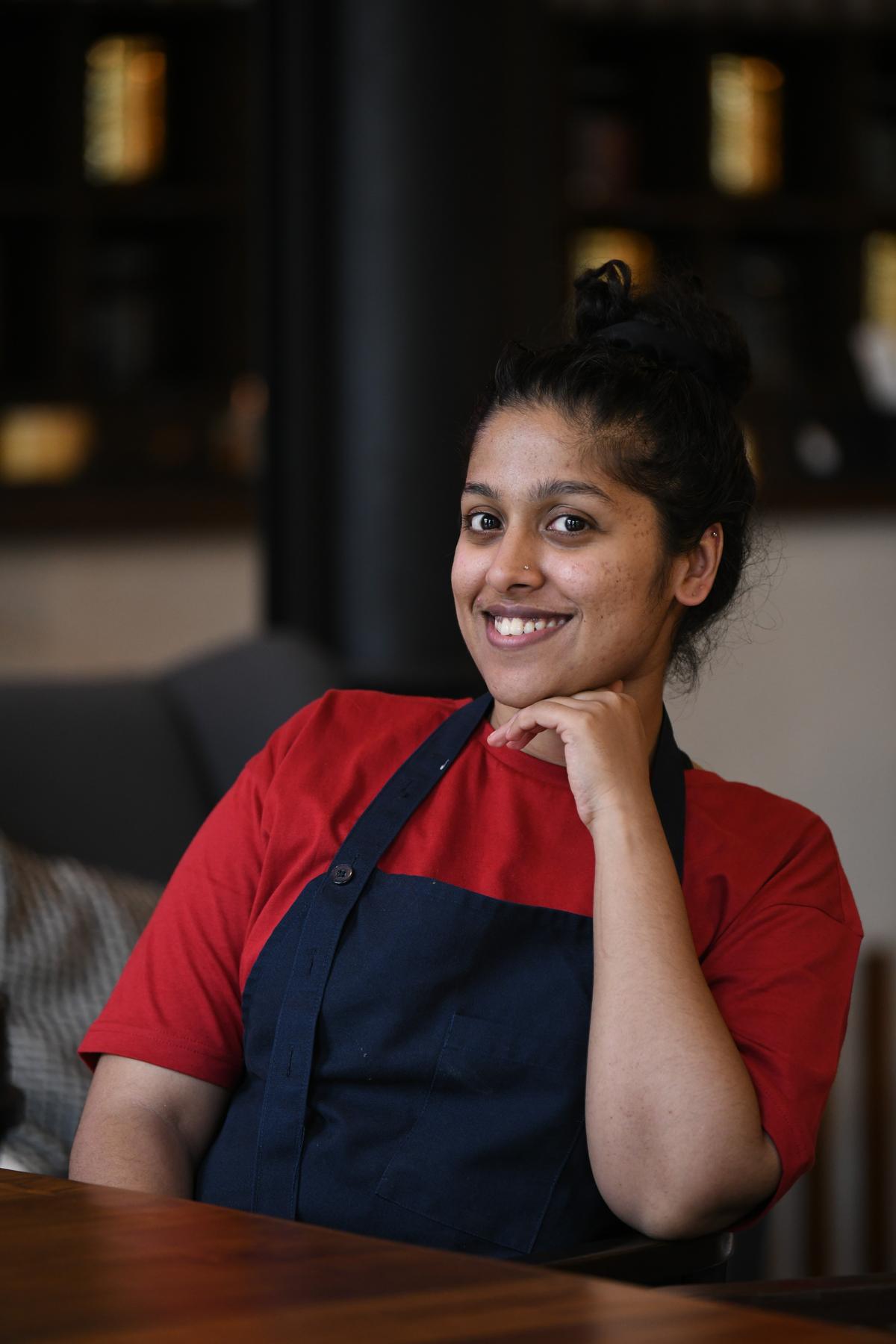
Niyati Rao
The turning point came when metaphor fell away. “When we stopped translating and started responding,” Niyati explains. Fabrics ceased to be visual references and became terrains — climates, ways of living. At that moment, dishes were no longer inspired by textiles; they were in conversation with them. What Niyati discovered in the process was how deeply her cooking was already tied to place and materiality. The collaboration reaffirmed her faith in minimalism — in allowing ingredients to carry history without explanation. “Food doesn’t always need narration,” she says. “Sometimes presence is enough.”
That philosophy is echoed by David Abraham, who initially found Niyati’s textile references surprising, only to recognise their conceptual alignment. Indian textiles, he notes, function as analogies for cultural diversity — multiple traditions coexisting, intersecting, and reshaping one another. This, he realised, mirrors Abraham & Thakore’s own design approach. The shared symbol of warp and weft — disparate threads brought together into a single fabric — becomes a quiet metaphor for the festival itself: different voices held in tension, creating coherence without uniformity.
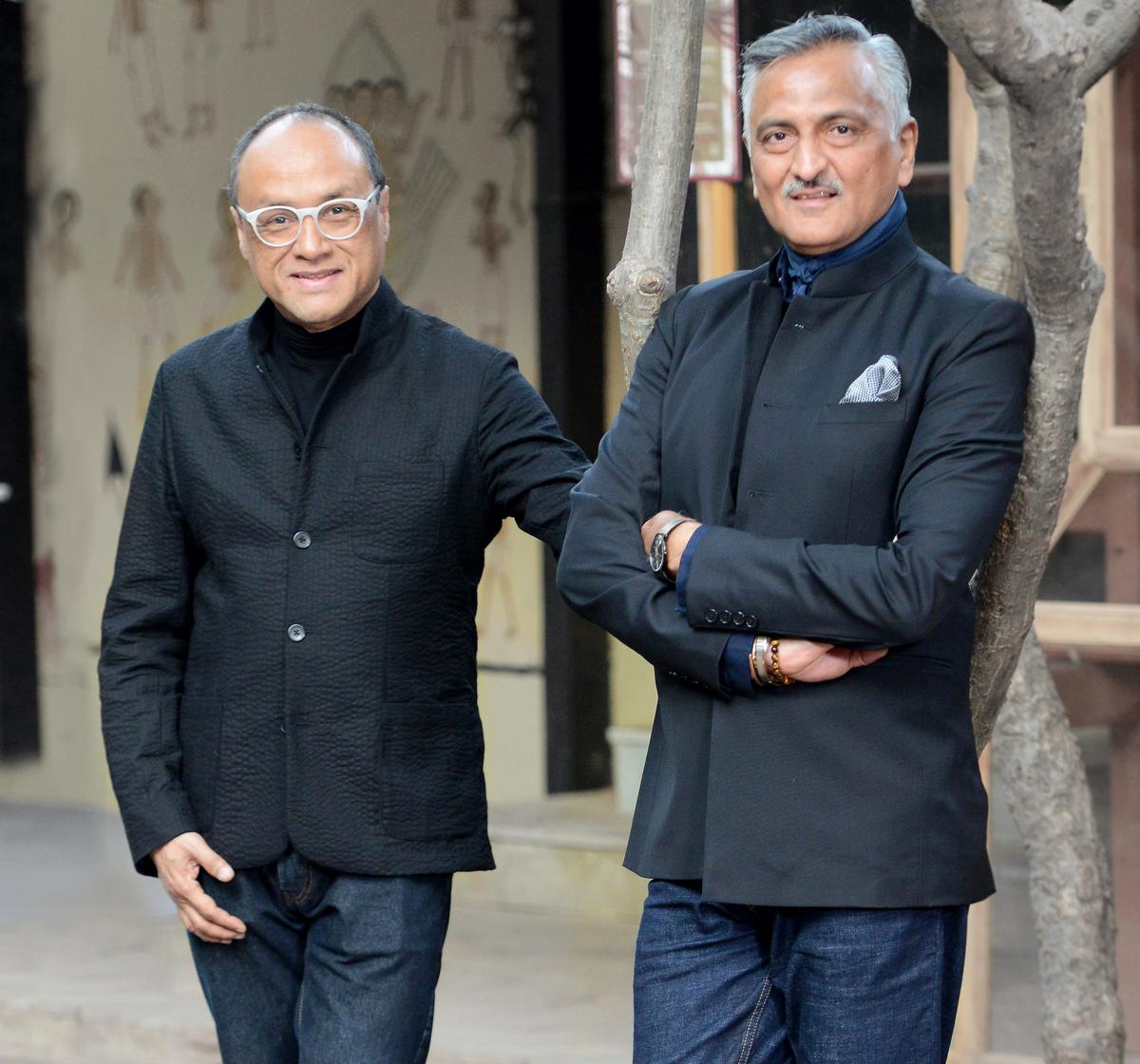
David Abraham and Rakesh Thakore
For diners, this means encountering stories that are suggested rather than spelled out. Niyati and David speak of deliberately leaving certain narratives in the background, allowing guests to bring their own memories to the table. Nostalgia is not performed; it is activated.
Beyond spectacle
What emerges from these conversations is a more nuanced understanding of food-as-art — one that resists easy spectacle. The most compelling collaborations here are not about elevating food into art, but about allowing food to think alongside it. In that sense, The Gathering does not claim to have resolved the question of food’s artistic value. Instead, it stages the question publicly — and with intention — inviting diners not just to consume, but to participate in a conversation still very much in the making.
The Gathering: Edition 02 will be held from January 16-18 at Mukesh Mills, Mumbai; tickets are available on District by Zomato (starting from ₹2,000)
Discover more from stock updates now
Subscribe to get the latest posts sent to your email.