


University of Florida deactivates College Republicans after antisemitism reports
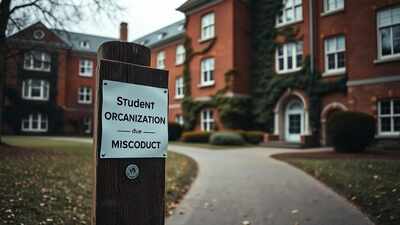
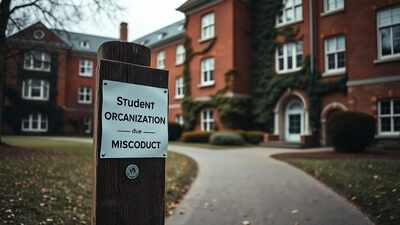
In a significant move reflecting growing scrutiny of student organizations, the University of Florida (UF) has deactivated its campus College Republicans chapter after reports of antisemitic behavior by some members, according to a report by AP News. The decision comes amid heightened awareness of misconduct in student political groups nationwide and marks the second such action at a public Florida university this month.
What happened at University of Florida

UF officials said over the weekend that they had been informed by the Florida Federation of College Republicans that the Gainesville campus chapter had been disbanded. The federation determined that certain members “engaged in a pattern of conduct that violated its rules and values, including a recent antisemitic gesture,” the AP News report noted. While UF did not provide specific details about the gesture, the university stressed that the decision followed the federation’s evaluation and reflected a commitment to maintaining a respectful and inclusive campus environment.A university spokesperson added that UF would support the chapter’s reactivation once the federation selects new student leadership. “When the Florida Federation of College Republicans is ready, the university will assist with reactivating the campus chapter under new student leadership,” the official statement said.
A growing concern in florida universities
This is not an isolated incident. Earlier this month, Florida International University (FIU) in Miami opened an investigation into a group chat started by an official of the Miami-Dade chapter of the Republican Party. The chat reportedly included students and several top conservative leaders at the university, containing racist slurs, antisemitic comments, and misogynistic language. University officials at FIU confirmed they were reviewing the matter to determine any disciplinary or corrective actions, as reported by AP News.The two cases highlight increasing vigilance by Florida universities regarding student political organizations, especially when their conduct violates ethical and social norms.
National context
Florida’s situation echoes similar incidents across the U.S. Last fall, the New York Republican State Committee suspended a Young Republican organization after a group chat surfaced containing inappropriate jokes about rape and flippant commentary on gas chambers. Such cases underscore a broader trend of universities and political organizations cracking down on student-led groups when they are involved in offensive or discriminatory behavior.
What it means for students
For students, these developments serve as a reminder that membership in campus organizations comes with responsibilities, including adherence to values of respect, inclusivity, and ethical conduct. University actions like these also emphasize the role of oversight bodies—both student federations and university administrations—in maintaining safe learning environments. Students interested in political engagement on campus may now need to be more proactive about leadership accountability and group culture.The UF and FIU cases collectively reflect the balancing act universities face: supporting free expression and student political activity while taking decisive action against behavior that violates community standards. As student groups prepare for leadership transitions or reactivation, the focus is likely to remain on accountability, inclusivity, and the lessons students can take forward in navigating campus politics responsibly.
Discover more from stock updates now
Subscribe to get the latest posts sent to your email.