Union Budget 2026: Soaps, detergents, umbrellas likely to turn expensive; customs processes to be simplified

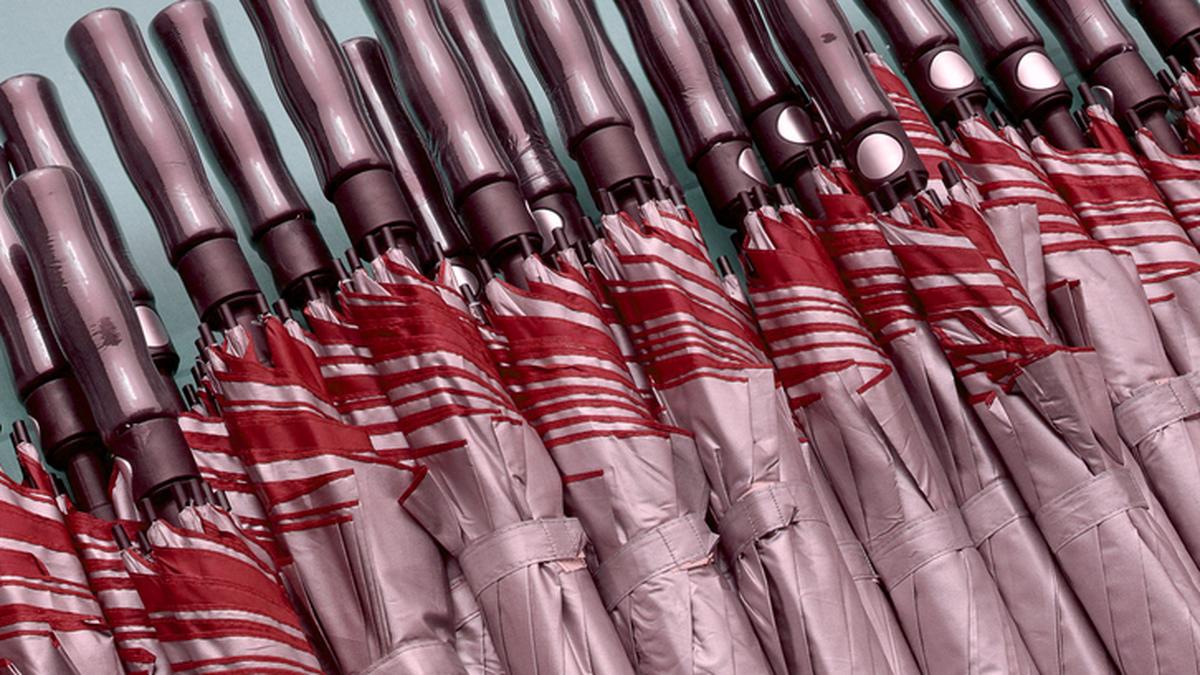
Duties on umbrella parts, trimmings, and accessories will go up to 20% from 11%, or ₹25 per kg, raising the cost for domestic assemblers using imported inputs.
| Photo Credit: Getty Images/iStockphotos
The Union Budget has removed Basic Customs Duty on quite a range of products but also raised the duty on some. It also envisions simplification of the Customs procedures, moving into “Trust based systems” for ease of doing business.
Also read | Union Budget 2026 LIVE

The basic customs duty on potassium hydroxide will go up to 7.5 % from nil, increasing input costs for industries such as chemicals, soaps, detergents, and batteries unless there is adequate domestic availability. The duty on umbrellas (other than garden umbrellas) has been revised from a flat 20% to 20% or ₹60 per piece, whichever is higher, in a move to curb low-priced imports.
Duties on umbrella parts, trimmings, and accessories will go up to 20% from 11%, or ₹25 per kg, whichever is higher, raising the cost for domestic assemblers using imported inputs.

All dutiable goods imported for personal use will see a reduction of duty from 20% to 10%. For chewing tobacco and Jarda-scented tobacco, the National Calamity Contingent Duty will be increased to 60% from 25% from May 1. However, effective duty rate on these products will remain unchanged.
The Global Trade Research Initiative report says that the Budget, though country-neutral, improves market access prospects for U.S. exporters across several high-value sectors.

The Finance Minister Nirmala Sitharaman has also proposed to increase the limit for duty-free import of specified inputs used for processing seafood products for export, from the current 1 % to 3 % of the FOB value of the previous year’s export turnover.
The Minister also said that duty-free imports will be allowed of specified inputs (which is currently available for exports of leather or synthetic footwear) for export of shoe uppers too. The time period for export of final product under the Advance Authorisation scheme has been extended to one year from six months for export of leather or textile garments, leather or synthetic footwear and other leather products.

For better use of capacities of manufacturing units in Special Economic Zones that are hit by global trade disruptions, there will be a one time measure of concessional duty to facilitate sales to sell in the Domestic Tariff Area limited to a prescribed proportion of their exports. Measures will be taken to ensure that the units in the domestic tariff area will not be affected.
Customs Integrated System and cargo clearance
For ease of doing business, approvals required for cargo clearance from various Government agencies will be seamlessly processed through a single and interconnected digital window by the end of the financial year. Processes involved in clearance of food, drugs, plant, animal and wild life products, accounting for around 70% of interdicted cargo, will be operationalised on this system by April this year.
The duty deferral period for tier-two and tier-three Authorised Economic Operators will be increased to 30 days and eligible manufacturer-importers will also get the duty deferral facility. The validity period of advance ruling, binding on Customs, will be increased from the present three years to five years.
Regular importers with trusted long-standing supply chains will be recognised in the risk system, so that the need for verification of their cargo can be minimised. Export cargo using electronic sealing will be provided through clearance from the factory to the ship.
For import of goods that do not require any compliance, filing of bill of entry by a trusted importer, and arrival of goods will automatically notify Customs for completing their clearance formalities. The Customs warehousing framework will be transformed into a warehouse operator-centric system with self-declarations, electronic tracking, and risk-based audit.
Customs Integrated System will be rolled out in two years as a single, integrated and scalable platform for all the customs processes.
To support aspirations of India’s small businesses, artisans and start-ups to access global markets through e-commerce, the current value cap of ₹10 lakh per consignment on courier exports will be removed. Handling of rejected and returned consignments will be improved with effective use of technology for identifying such consignments.
Published – February 01, 2026 05:16 pm IST
Discover more from stock updates now
Subscribe to get the latest posts sent to your email.