



UN chief urges renewed push to complete decolonization as 17 territories remain
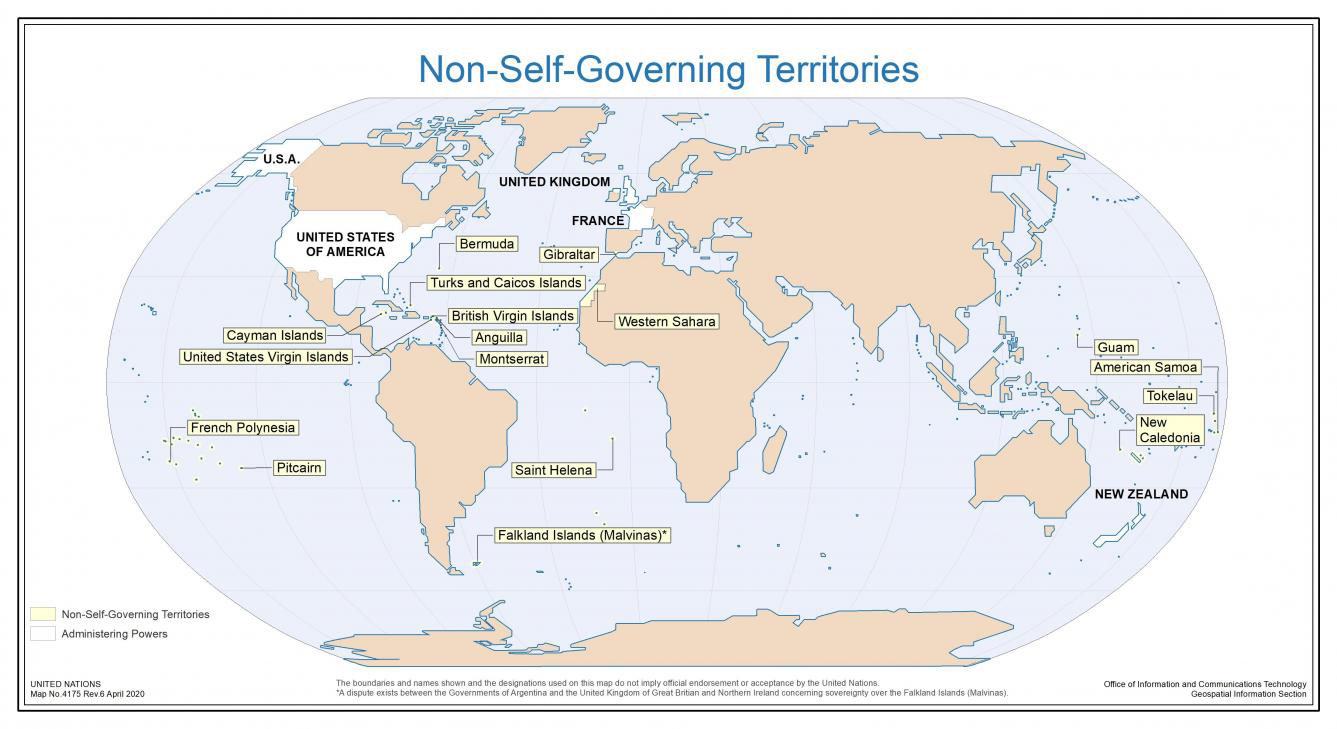
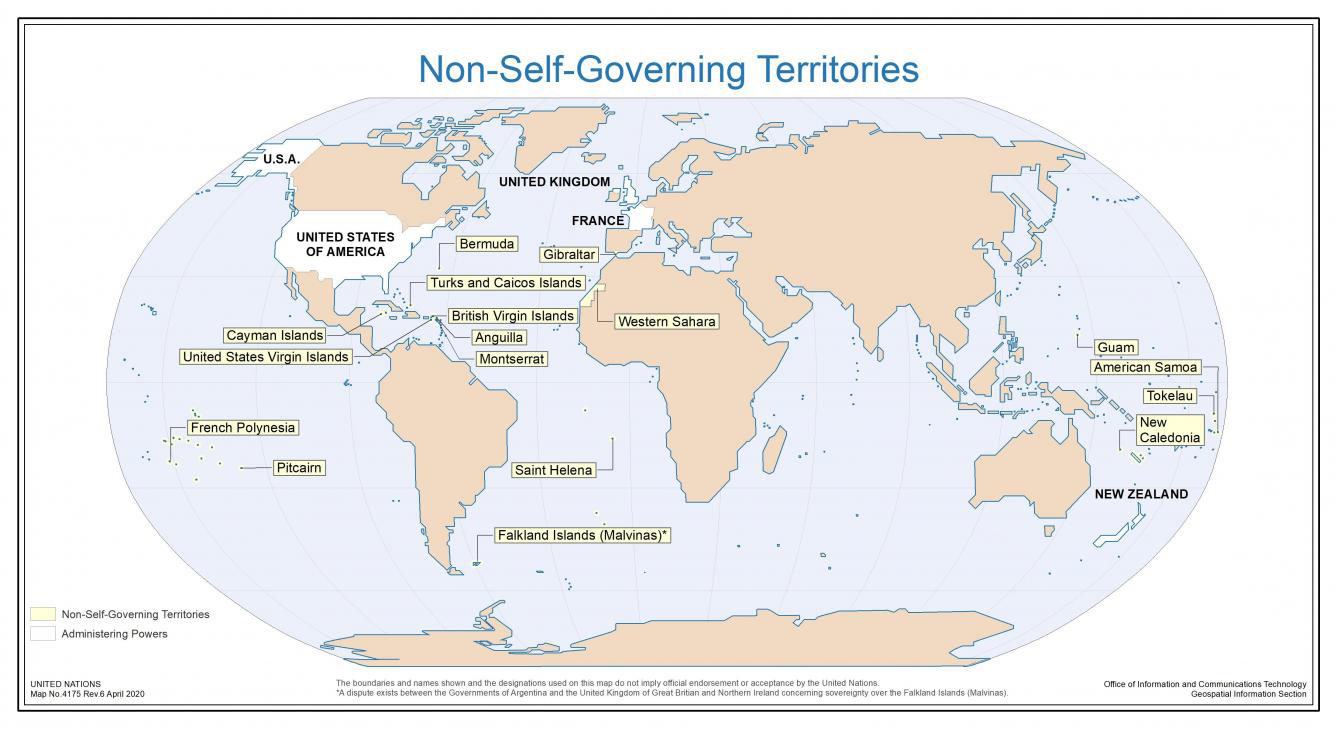
They range from Western Sahara in Africa to small island territories in the Caribbean and Pacific.
A core subject for the UN
Opening the 2026 session of the Special Committee on Decolonization – known as the C-24 – the Secretary-General, in remarks delivered by his Chef de Cabinet Courtenay Rattray, stressed that decolonization has been a core objective of the Organization “since its earliest days.”
“This Organization was created as a place where nations could meet as equals, not as rulers and ruled,” he said.

Yet, Mr. Guterres cautioned that the legacy of colonialism continues to shape present-day realities.
“The legacy of colonialism has left profound scars through deeply rooted mechanisms of economic exploitation, as well as in the form of racism, inequality and persistent exclusion from the decision-making bodies,” he said.
The C-24 was established by the General Assembly in 1961 to monitor progress towards granting independence to territories that have not yet attained “a full measure of self-government,” as defined under Chapter XI of the UN Charter. Its mandate stems from the landmark 1960 Declaration on the Granting of Independence to Colonial Countries and Peoples.
Intensifying climate threats
Many of the remaining territories are small islands facing intensifying climate threats.
Rising sea levels, coastal erosion and more frequent extreme weather events are damaging homes and infrastructure, undermining tourism and fisheries, and straining already limited public resources.
“The majority of the Territories are small islands,” he noted, urging the Special Committee to place “resilience and adaptation at the heart of your discussions.”
Call for inclusive dialogue
The Secretary-General outlined three priorities to guide the remaining decolonization process.
First, he called for “inclusive dialogue among Non-Self-Governing Territories, administering Powers, Member States, and all stakeholders,” stressing that each case must be addressed individually and “in accordance with the UN Charter, the 1960 Declaration, and the relevant resolutions of the General Assembly.”
Second, he underscored “the central role of young people,” saying that “the vision and leadership of the next generation is vital to building a productive and inclusive future.”
Third, he highlighted the urgency of climate action, particularly for island territories confronting existential risks.
Discover more from stock updates now
Subscribe to get the latest posts sent to your email.