


The Fed issues its latest interest rate decision Wednesday. Here’s what to expect

Markets are pricing in a near-zero chance that the rate-setting Federal Open Market Committee will be cutting at this meeting — or any other in the near future. In fact, futures pricing suggests policymakers won’t consider easing until at least September, more likely October, and even then just a single cut this year.
For Wednesday’s decision, Chair Jerome Powell and his colleagues have to wrestle with the Iraq war, fears of an inflation spike and mixed signals from the labor market. The combination of factors all but assures the Fed will stand pat, keeping its key interest rate targeted between 3.5%-3.75%. Updates to economic and rate projections also aren’t expected to show major changes.
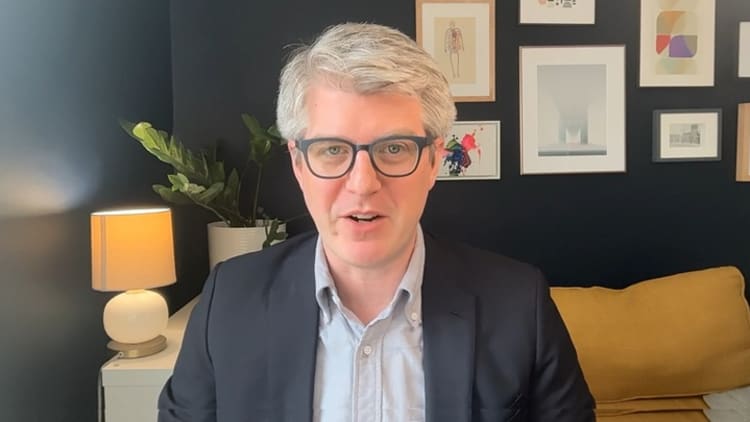
“The decision itself is almost guaranteed – a rate hold at the March meeting. But any hints Chair Powell might drop about the path of future interest rates will be key,” said BeiChen Lin, senior investment strategist at Russell Investments. “Broadly speaking, the U.S. economy is still on solid footing. This means however that the bar for further rate cuts in the U.S. may be quite elevated.”

Even before the war, traders weren’t expecting a cut at this week’s meeting. Instead, they expected the FOMC would wait until June, then cut at least once more before the end of the year, according to the CME Group’s FedWatch pricing.
However, the attacks — and their impact on oil and inflation — have changed the market’s calculus, even though Fed officials generally look through the types of oil shocks that have accompanied the fighting.
As such, all eyes will be on Powell’s messaging. If things go as planned, this will be Powell’s next-to-last meeting as chair, so even then markets might be wary of reading too much into the chair’s statements.
Forging the future
Former Fed Vice Chair Roger Ferguson told CNBC he expects the committee to be “circumspect” in its post-meeting statement as it characterizes inflation, unemployment, economic growth and the expected path of policy.

“The question in front of everyone’s minds is, what do they say, if anything, about the future and how they think about changing the balance of risks,” he said.
In weighing the labor market against inflation, Ferguson said he’d prefer the Fed focus on prices.
“I’m more worried about higher inflation. You know, the Fed has a 2% target. They’ve been away from that target for multiple years now, actually,” he said. “At some point, it’s going to start to come into question whether or not the 2% target is really what the Fed’s aiming at, and so I am much more worried about that.”
Watching the dot plot
Investors will get a deeper look into the committee’s thinking when it releases updates to the Summary of Economic Projections. Within that release is the Fed’s closely watched “dot plot” grid of individual officials’ expectations for interest rates.
However, most observers expect few changes in the SEP or the dot plot: The Fed could nudge up economic growth and inflation a bit from the last update in December, but the rate outlook is expected to remain largely intact. Officials in December that they see just one cut this year, and the consensus is figured to hold even with the dissents that have accompanied recent Fed decisions.
“Looking at their communications, they will likely emphasize that the conflict in the Middle East has added further uncertainty to the outlook for both inflation and employment. However, their forecasts could look remarkably similar to three months ago,” wrote David Kelly, chief global strategist at JPMorgan Wealth Management.
On top of everything else, there’s also a lingering political air over the Fed.
President Donald Trump for years has been pressing the central bank, and Powell in particular, to cut rates. In an appearance before media members Monday, Trump again lashed out at the chair, saying that Powell should have called a special meeting.
“What’s a better time to cut interest rates than now? A third-grade student would know that,” Trump said.
However, Trump’s own Justice Department is holding up replacing Powell.
His nomination of Kevin Warsh to succeed Powell in May is being held up by a case the U.S. Attorney Jeanine Pirro is pursuing against Powell over the Fed’s headquarters renovation. Until that is resolved, Sen. Thom Tillis, R-N.C., has said he will hold up the Warsh nomination in the Senate Banking Committee.
Discover more from stock updates now
Subscribe to get the latest posts sent to your email.