




Results expected 5 January after landmark elections in Central African Republic
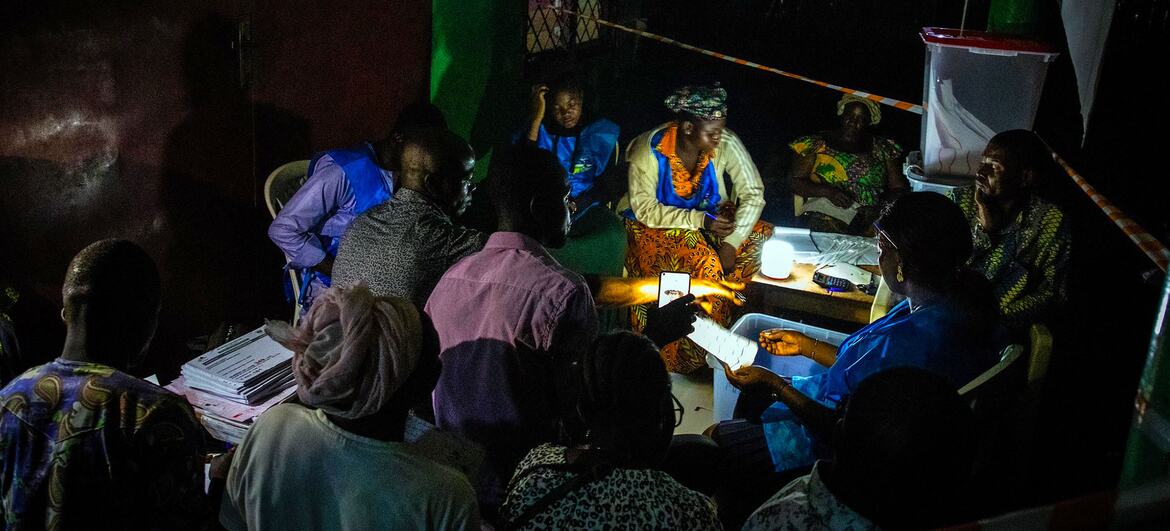
The transfer of envelopes containing the results from 19 prefectural capitals to the national capital, Bangui, is now underway, with logistical and security support from the mission.
The 28 December vote marked an unprecedented moment in the country’s political history, bringing together four ballots in a single electoral exercise. Municipal elections, in particular, had not been held in the Central African Republic (CAR) since 1988 and were a key provision of the 2019 Political Agreement for Peace and Reconciliation.
Vast, sparsely populated and landlocked, CAR is crisscrossed by dense forests, rivers and long, often impassable roads. Outside Bangui, many communities are reachable only by air or days-long journeys.
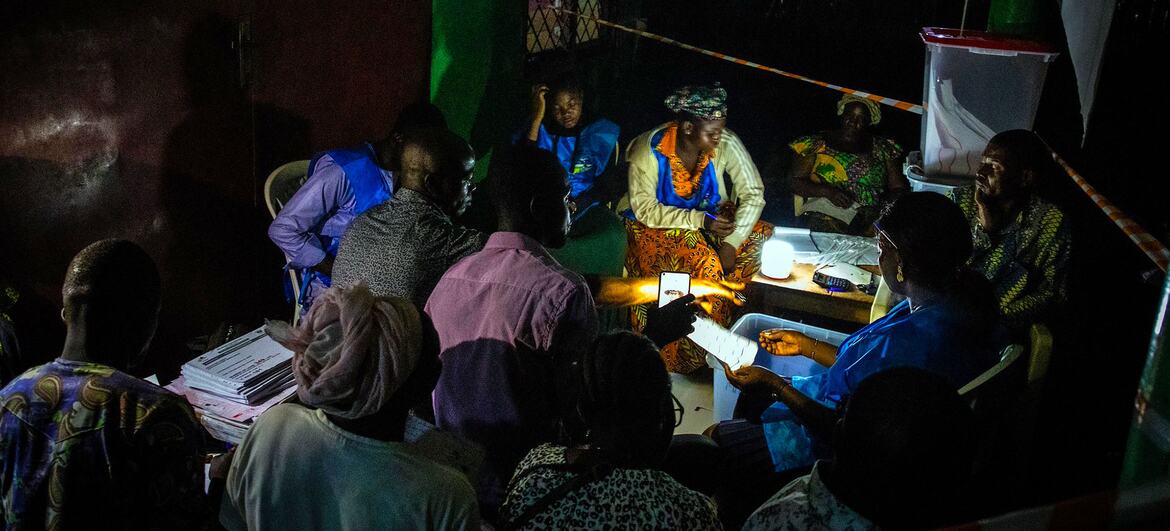

Ballots are counted under flashlights after the elections in Central African Republic.
Extensive UN support for complex operation
MINUSCA said it worked closely with national authorities and UN agencies to support the electoral process, delivering all voting materials on time despite difficult terrain and security constraints.
In total, the mission carried out 84 flights and eight road convoys to transport more than 230 tonnes of election materials, including ballot papers, indelible ink, voter cards, voting booths and ballot boxes.
Electoral materials were delivered to 6,679 of the country’s 6,700 polling stations, allowing them to function normally across 20 prefectures.
On the technical and operational front, some 34,500 people – including electoral agents, supervisors and polling station staff – were trained with UN support.
Security measures
Security for the polls was reinforced through the deployment of additional national troops and police, supported logistically by MINUSCA, alongside strengthened patrols by UN peacekeepers and police personnel.
The mission also provided Central African armed forces and internal security personnel with vehicles and motorcycles to reach remote and isolated areas.
Speaking at a press conference in Bangui on Wednesday, the Special Representative of the Secretary-General for CAR, Valentine Rugwabiza, said the mission had successfully fulfilled its mandate despite operating in a challenging environment.
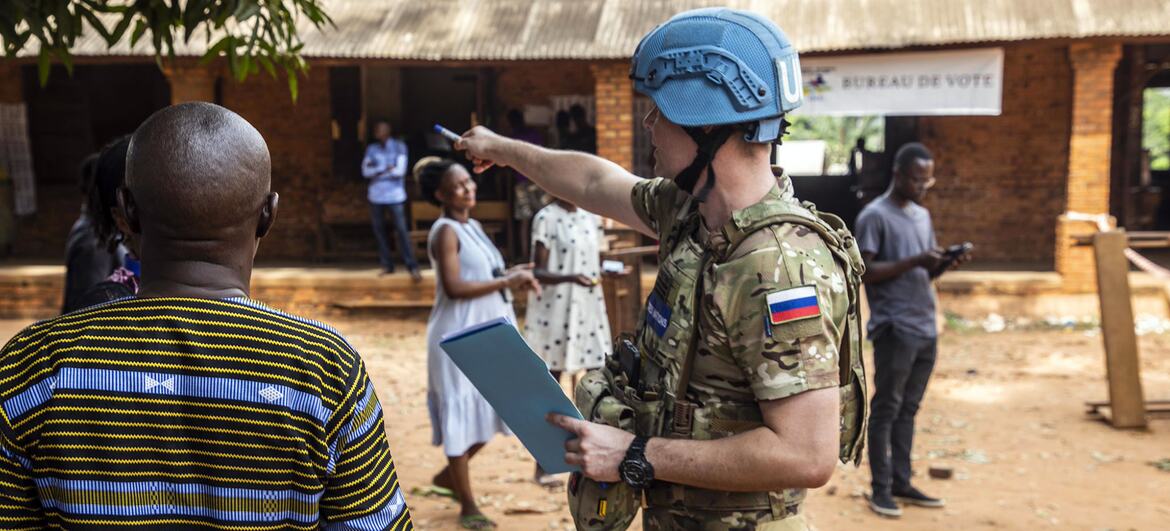
UN peacekeepers on patrol at a polling centre in the capital Bangui during the elections.
Incident in Haut-Mbomou
Ms. Rugwabiza strongly condemned an attack in Bambouti, in the south-eastern Haut-Mbomou prefecture near the border with South Sudan, which prevented voting from taking place in that locality due to insecurity.
The attack, carried out by the Azandé Ani Kpi Gbe (AAKG) armed group, also involved hostage-taking, including the sub-prefect.
She said MINUSCA has been working around the clock since Sunday to facilitate the release of those taken hostage.
Results expected next week
The National Elections Authority (NEA) is expected to announce the preliminary results of the presidential election on 5 January 2026.
Discover more from stock updates now
Subscribe to get the latest posts sent to your email.

