


Raw Mango’s Kolkata test – The Hindu
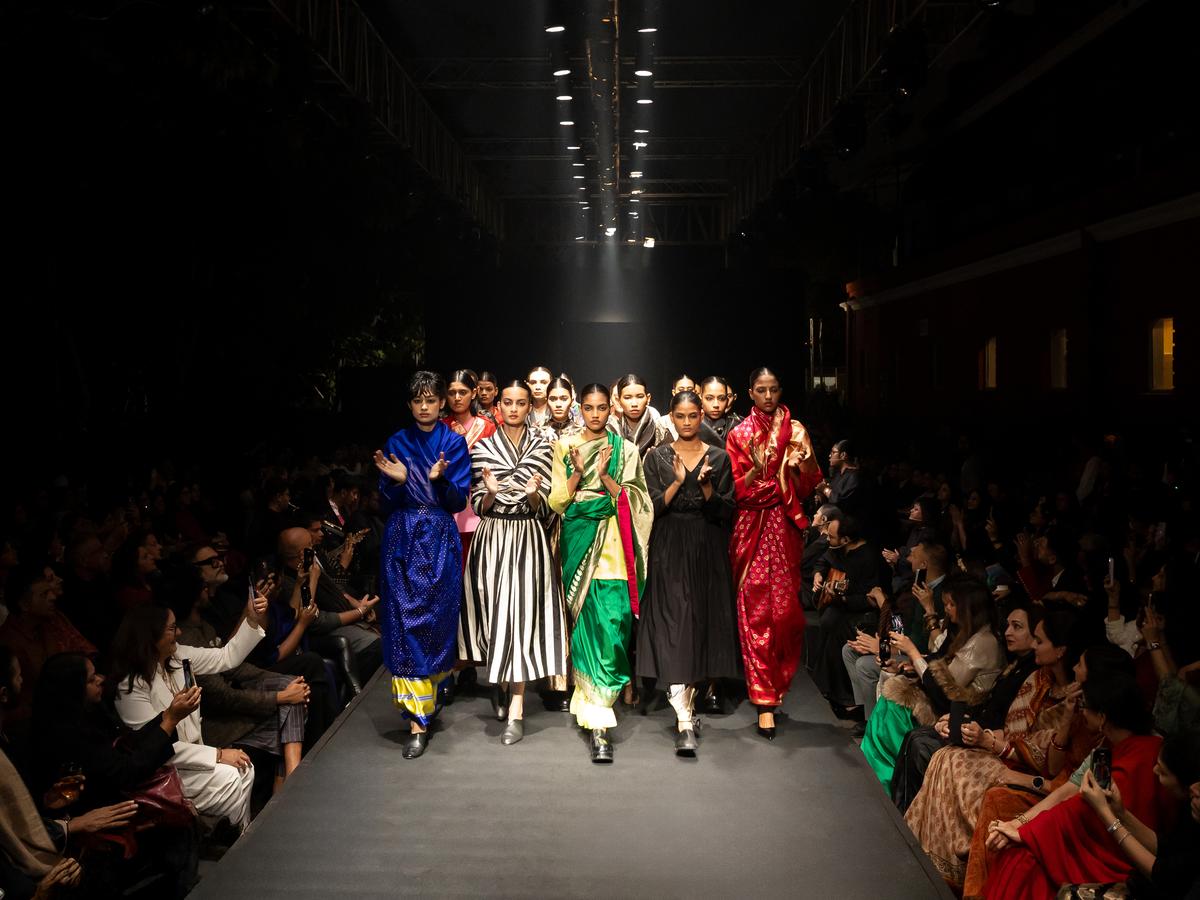
The launch, spread out over two days, began with a store opening party, followed by a fashion show at the Neotia Art’s Trust annual trunk show, The India Story.
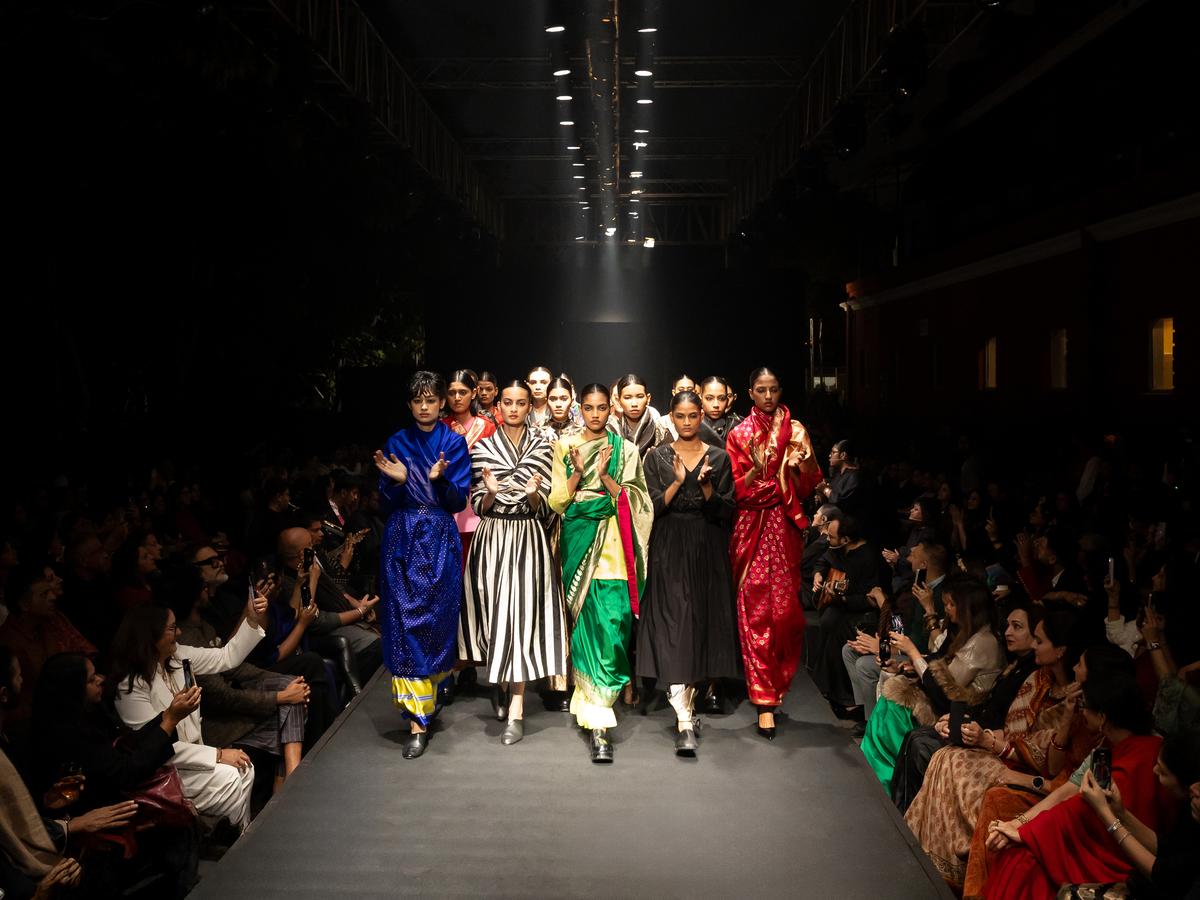
The fashion show at Neotia Art’s Trust’s ‘The India Story’
It comes at a time when Garg is also showcasing at the Serendipity Arts Festival in Goa, as well as a textile show in Paris. He calls it the “craziest time of his life.” He’s also due to show at London Fashion Week in February 2026, and all this begs the question — was now really the time?
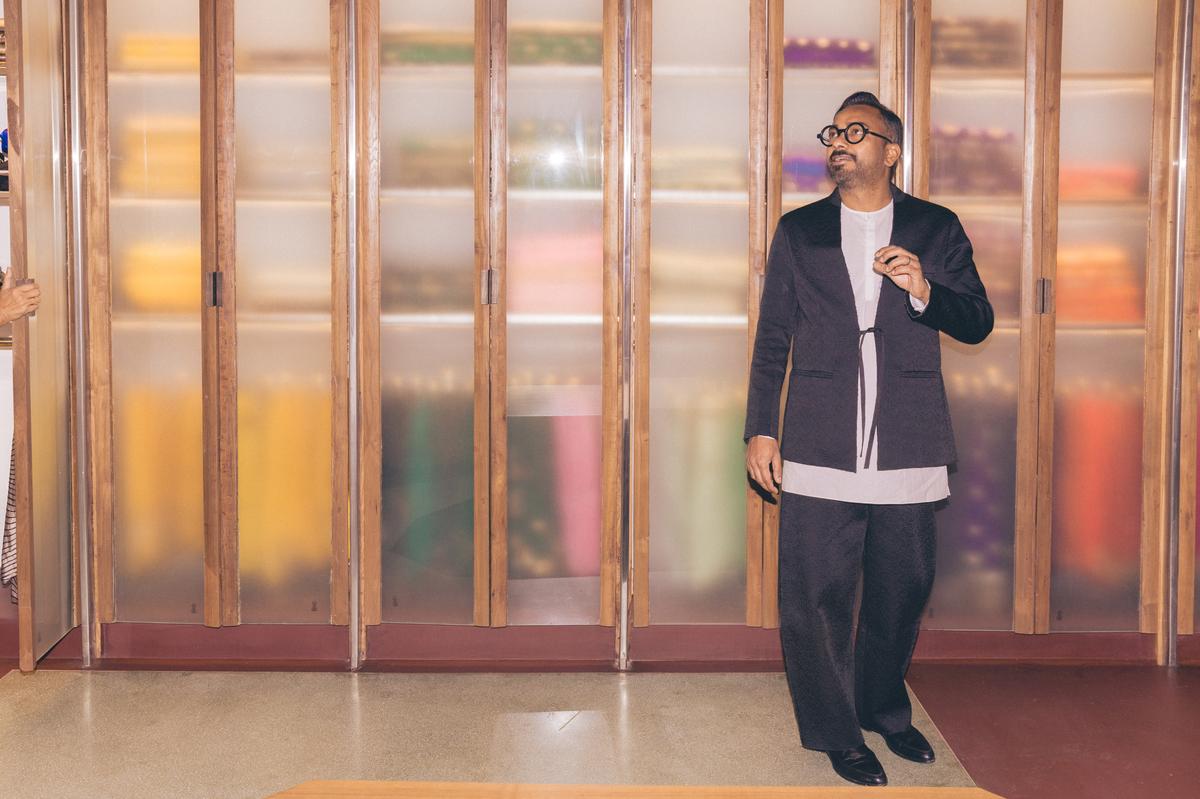
Sanjay Garg at Raw Mango Kolkata
But the 4,800 sq. ft. store feels like a quiet triumph. This has much to do with how lovingly Sanjay and long-time collaborator, architect Adityan Melekalam (of design firm Squadron 14) have treated the 1930s Kolkata Art Deco building it is housed in. Something “Calcuttans”, with their abiding love of history, have taken note of. While city residents adore their architectural heritage, they’re often, save a few examples, also unwilling or perhaps unable to preserve it,. Today there are more glorious old buildings coming down than coming together. It’s not without some suspicion then, that an “outsider” attempting to dip their hands into this past is viewed. But even the naysayers have humbly admitted — the store is beautiful.

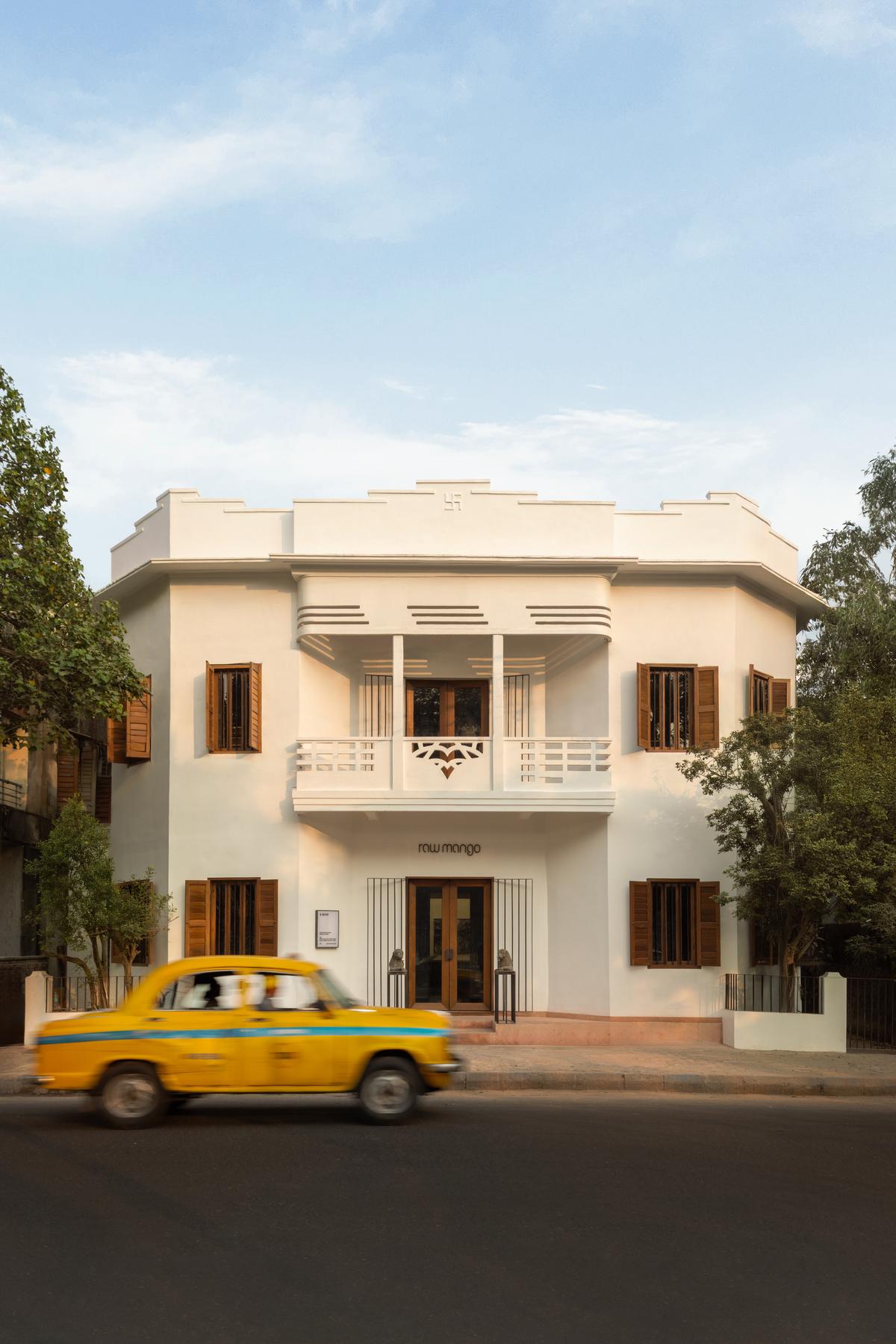
The 1930s Kolkata Art Deco building that Raw Mango is housed in

An ode to Kolkata
Entering the Raw Mango bari, I was struck by its austerity, reminiscent of my grandparents’ home in Kolkata. Almost eschewing commerce, the space initially appears to have nothing to sell, and invites you instead to take a seat, call out for a cup of cha, and cool your feet on the century-old floors. When I point this out, Garg, with a twinkle in his eye says his space is “the opposite of Sabya’s”, where every surface and corner is chock full. “I like him, I like anyone authentic, but we are opposites when it comes to this,” he says.
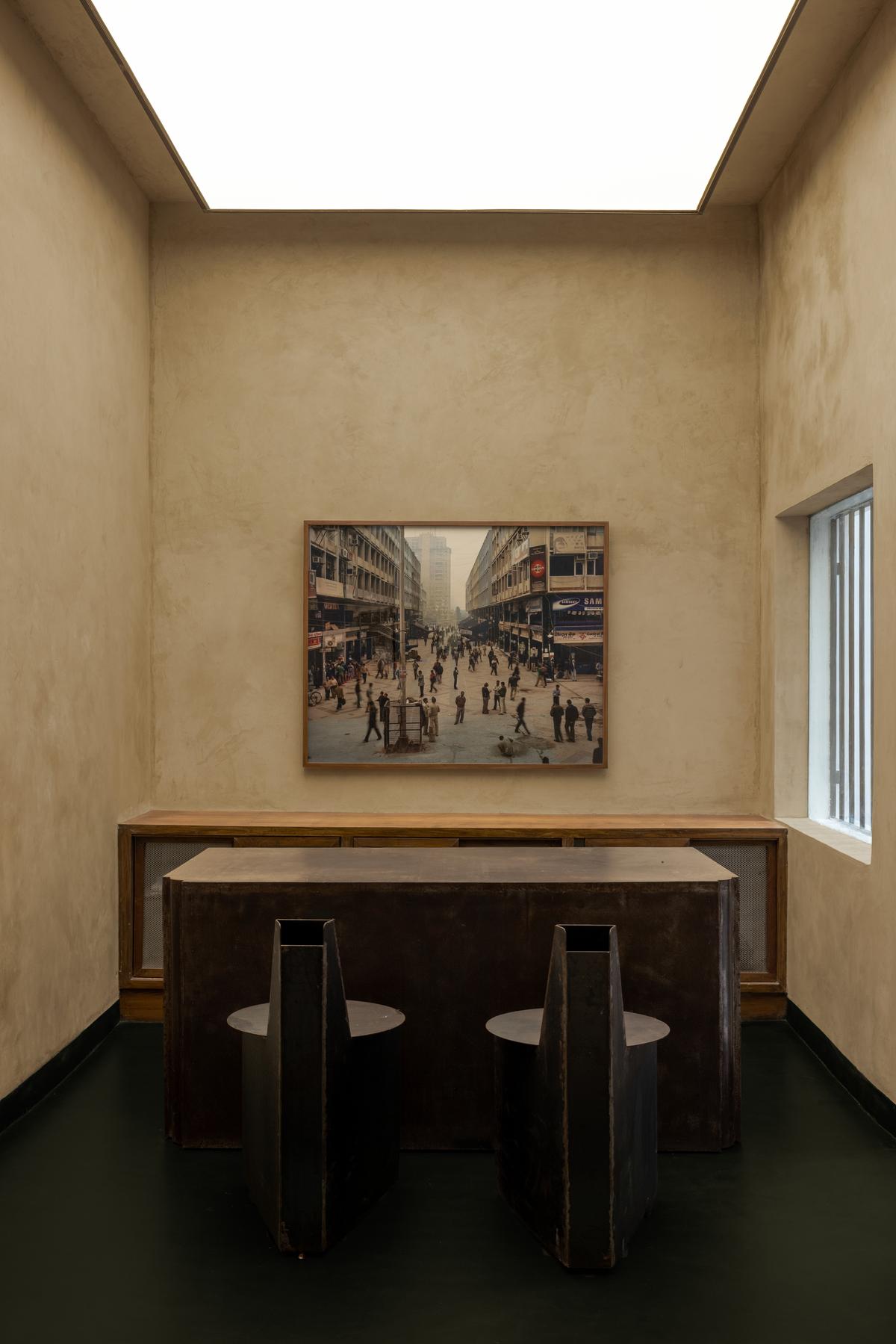
The Raw Mango bari is austere
He isn’t wrong, and is also the first to admit that both aesthetics in their own way represent India, and of course luxury. For those who are familiar with his Banjara Hills, Colaba, Teynampet or other stores, the style is consistent.
I drift upstairs, to the first floor of the house. Angular rooms that once must have slept whole families on single grand beds in their centres, now look out on to Maddox Square Park, the site for one of the city’s popular Durga Puja pandals, come Sharada season. The long lines of the grills on the front windows reflect perfectly the long lines of the grills on the park. Like this, obliquely, the bari takes from the city and gives back.
The furniture is minimal, and follows the shapes within the house, often impractical octagons and hexagons that delight Garg, who has long appreciated Art Deco, and seems to have relished transforming this house into a home. As in the rooms of a home, you rarely ever see the clothes of the inhabitants. They lie within almirahs, built into the structure’s own original alcoves for the same, and it’s only when you open them that shocks of pink and gold and emerald dance out.
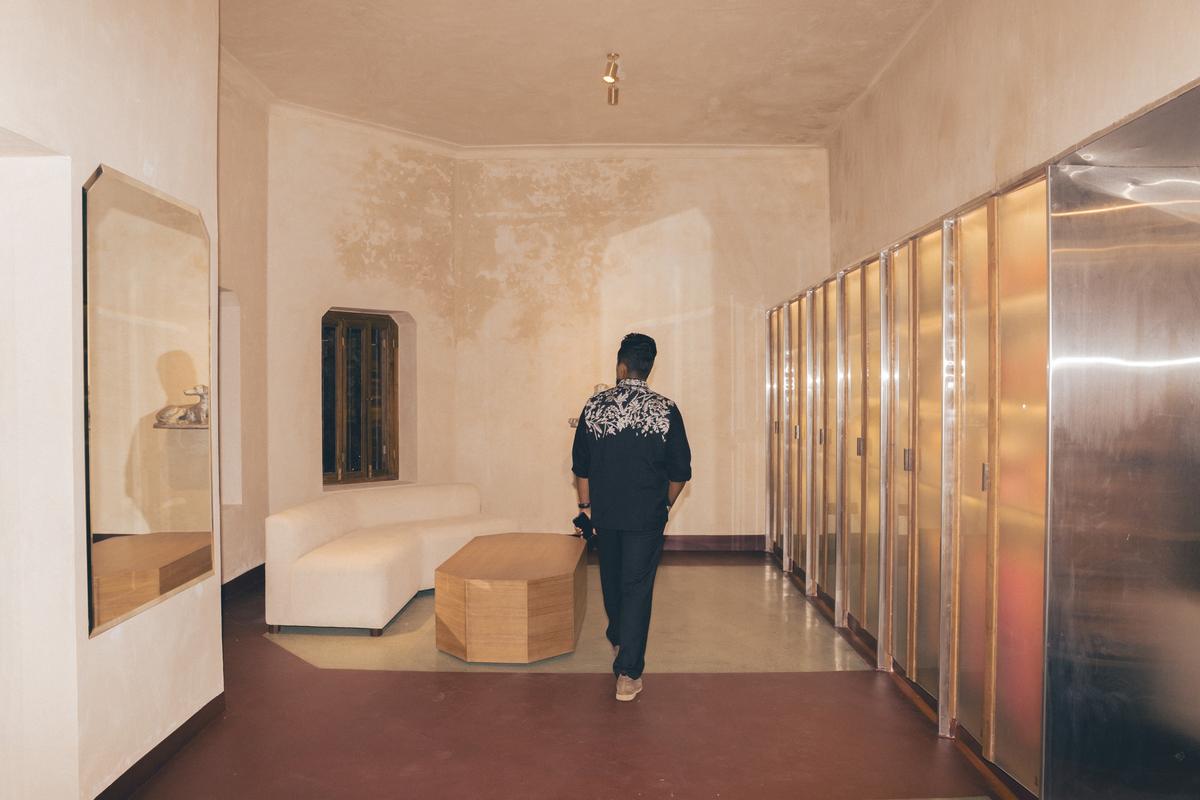
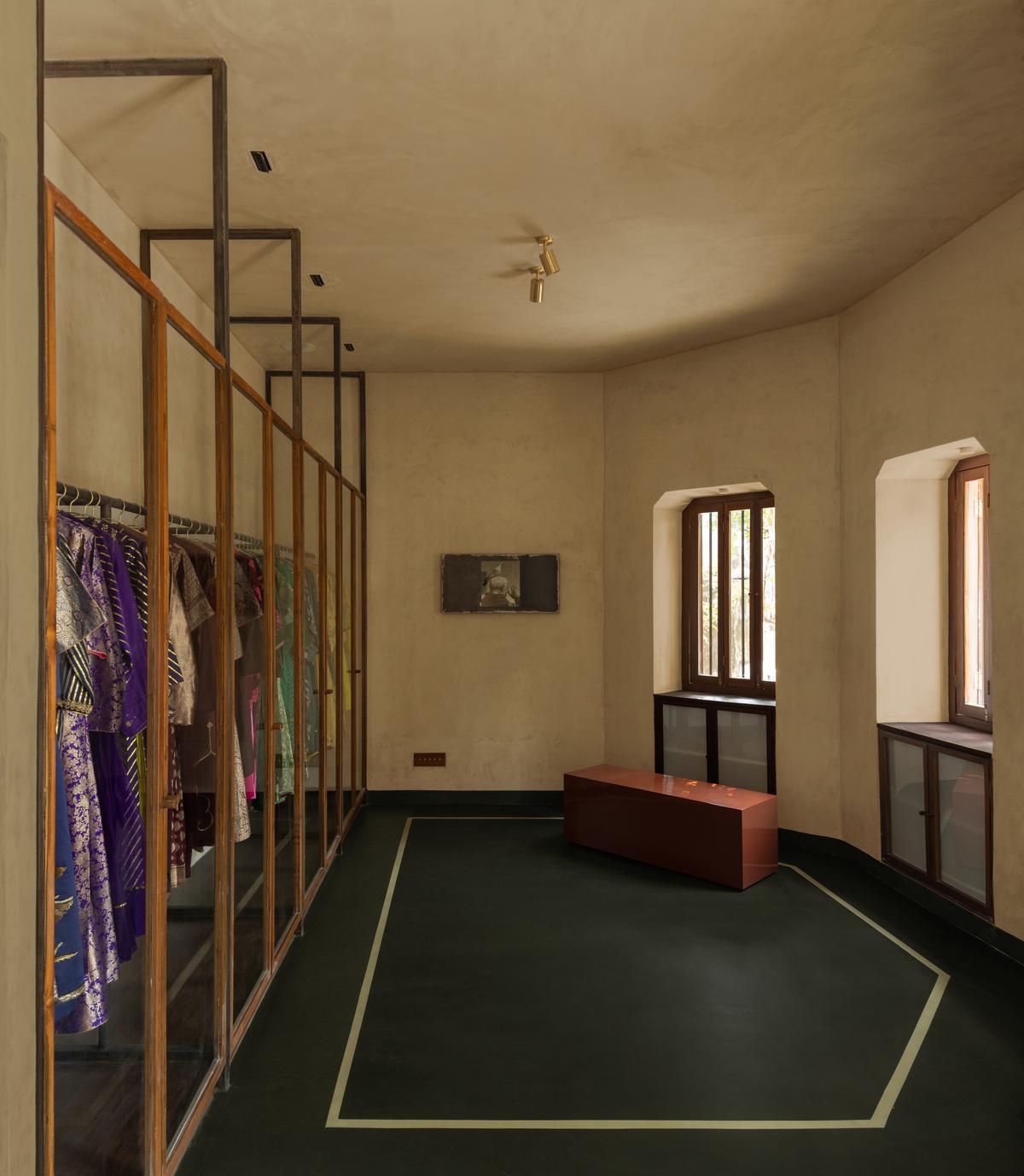
Cleverly, without trying to be Bengali, or even create an “ode” to the city, Garg has crafted an echo of one. The red oxide of the classic Kolkata home is present, but in a subdued matt finish. The shine it traditionally sports has been transferred to the doors, lacquered in a diminutive oxblood.
There are small Gupta period statues, photos of Jawaharlal Nehru, and photographer Bharat Sikka’s work up, all from the designer’s own collection. If you thought Garg might have a goddess somewhere in the house, think again.
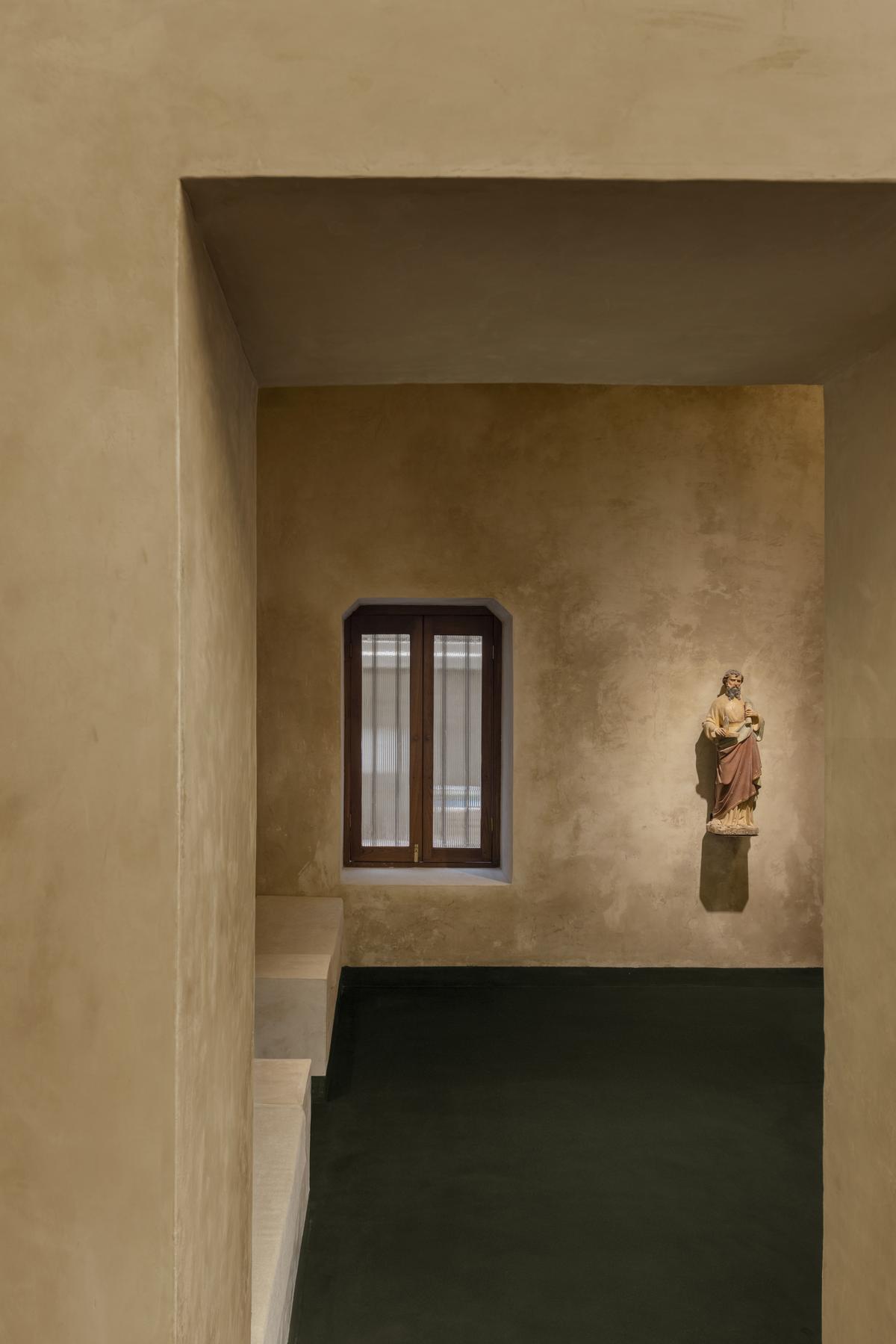
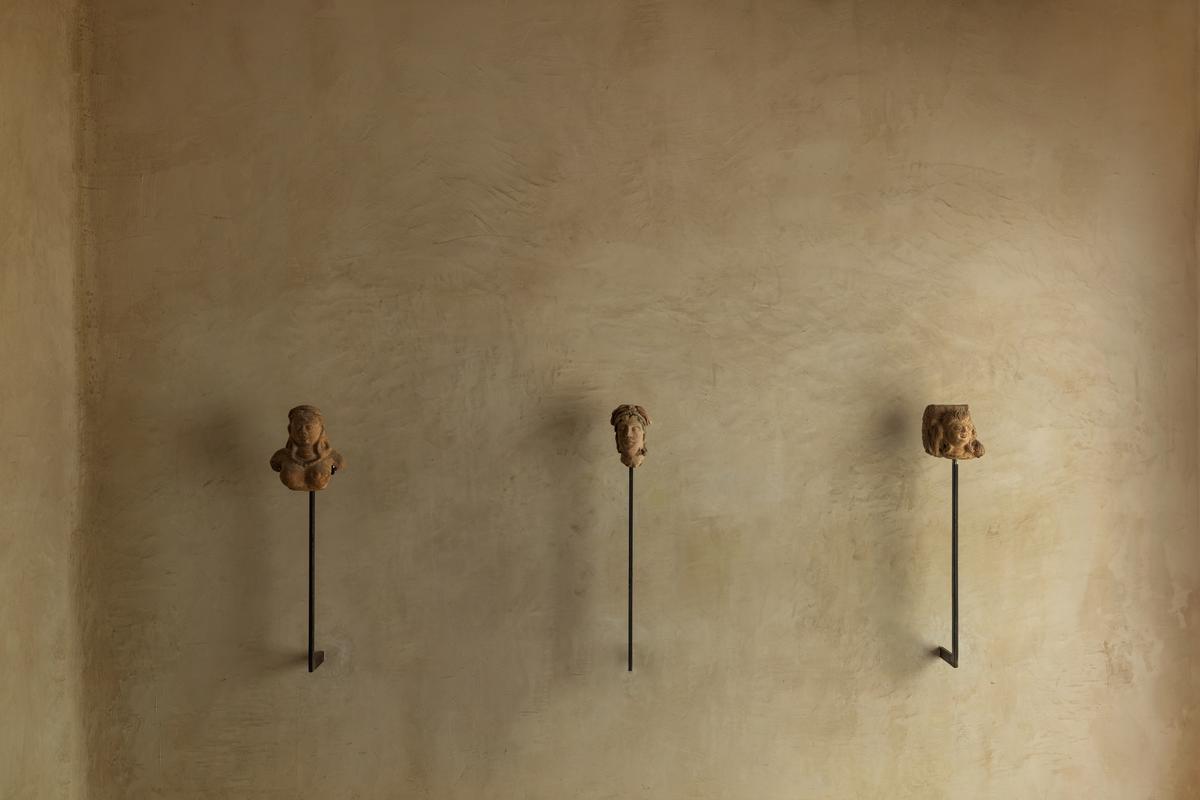
Alternatively, the statues of Kumartuli, the potters’ quarter, find form in the most Kolkata of things, two gentle figures of a resting street dog, Chunu, created by sculptor Sahasrangshu Saha, elevated to eye level. There’s also the visitors’ washroom, awash in simple yet Subodh-esque steel.
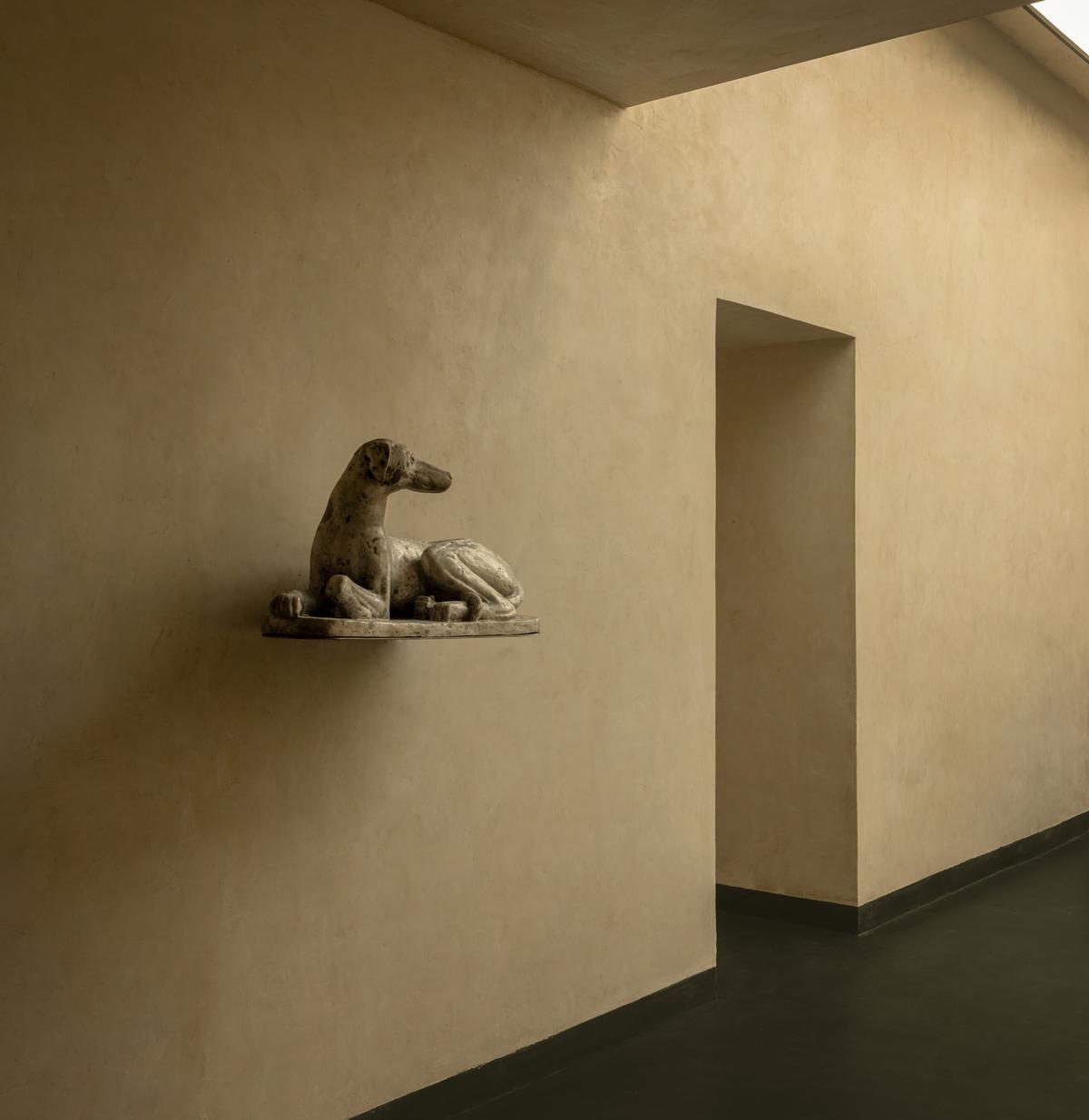
Street dog Chunu, created by sculptor Sahasrangshu Saha.
A family affair
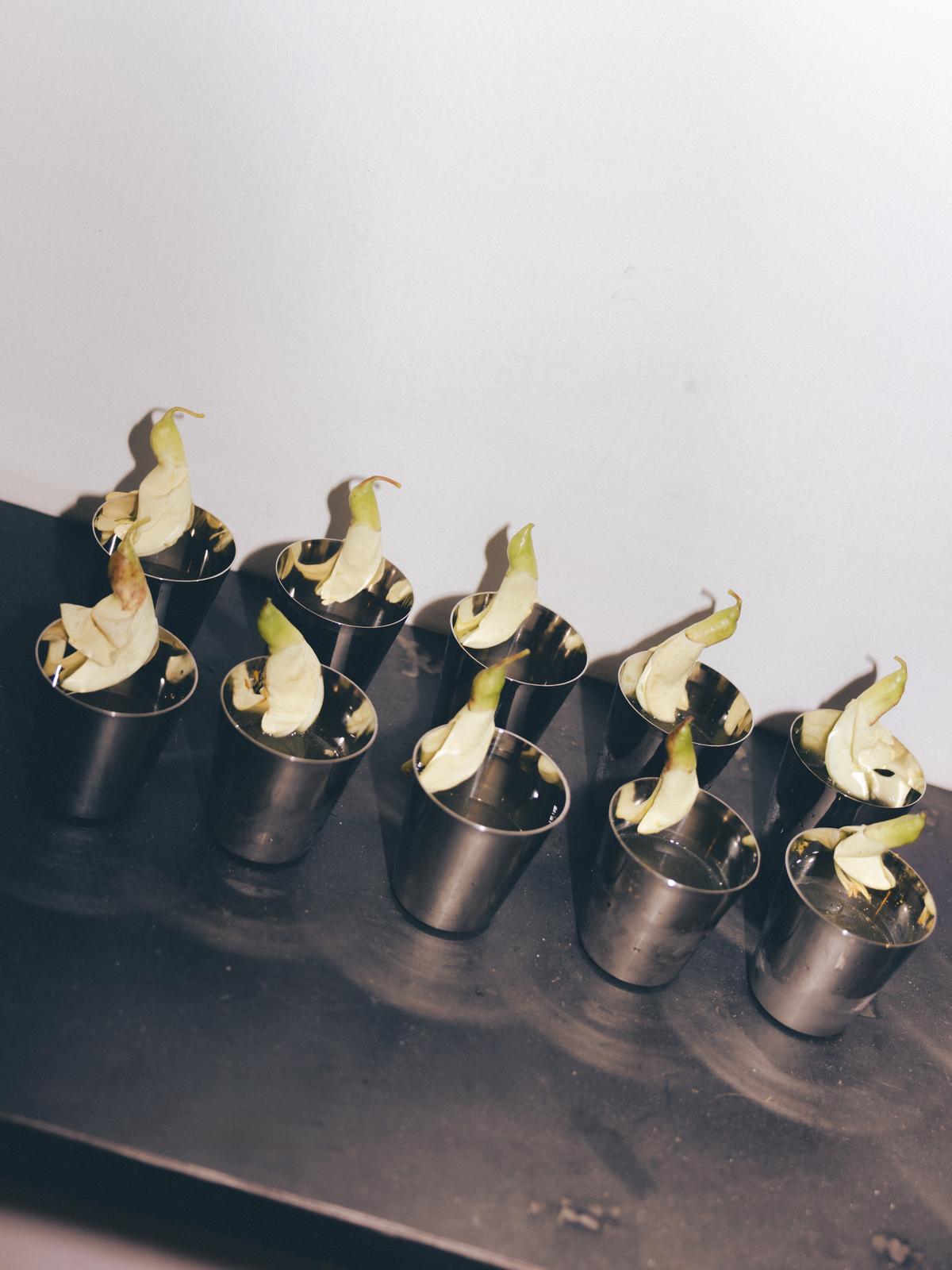
As always, with Garg, his family remains close, a circle woven around him. A day prior to the launch, I see his brother-in-law Nitin Sisodia standing in the winter sun, overseeing last minute decor. Together with Prerna, Garg’s elegant sister who has played muse to the brand in the past, they run A Dialogue, a food biodiversity conservation project that also designs culinary experiences — and did the same for the opening night. Sharbats with marigold petals are distributed in stainless steel glasses. Clover leaves, for luck, act as small spoons to mouthfuls of shorshe (mustard) cream. Gondhoraj (lime) rice bites come around in leaf cones, and sweet sandesh and mishti are laced into lotus flowers.
The food is served in an open air back courtyard that feels like an ode to Garg’s Rajasthani roots. Standing there, music wafting into the night, he looks up and suddenly says, “This is where I’ll cut my marks. This is why I can never be satisfied. There should have been a light here.” He isn’t wrong, and it reassures anyone listening that he will continue to improve on both the space, as well in his understanding of the city. And there have been misunderstandings.
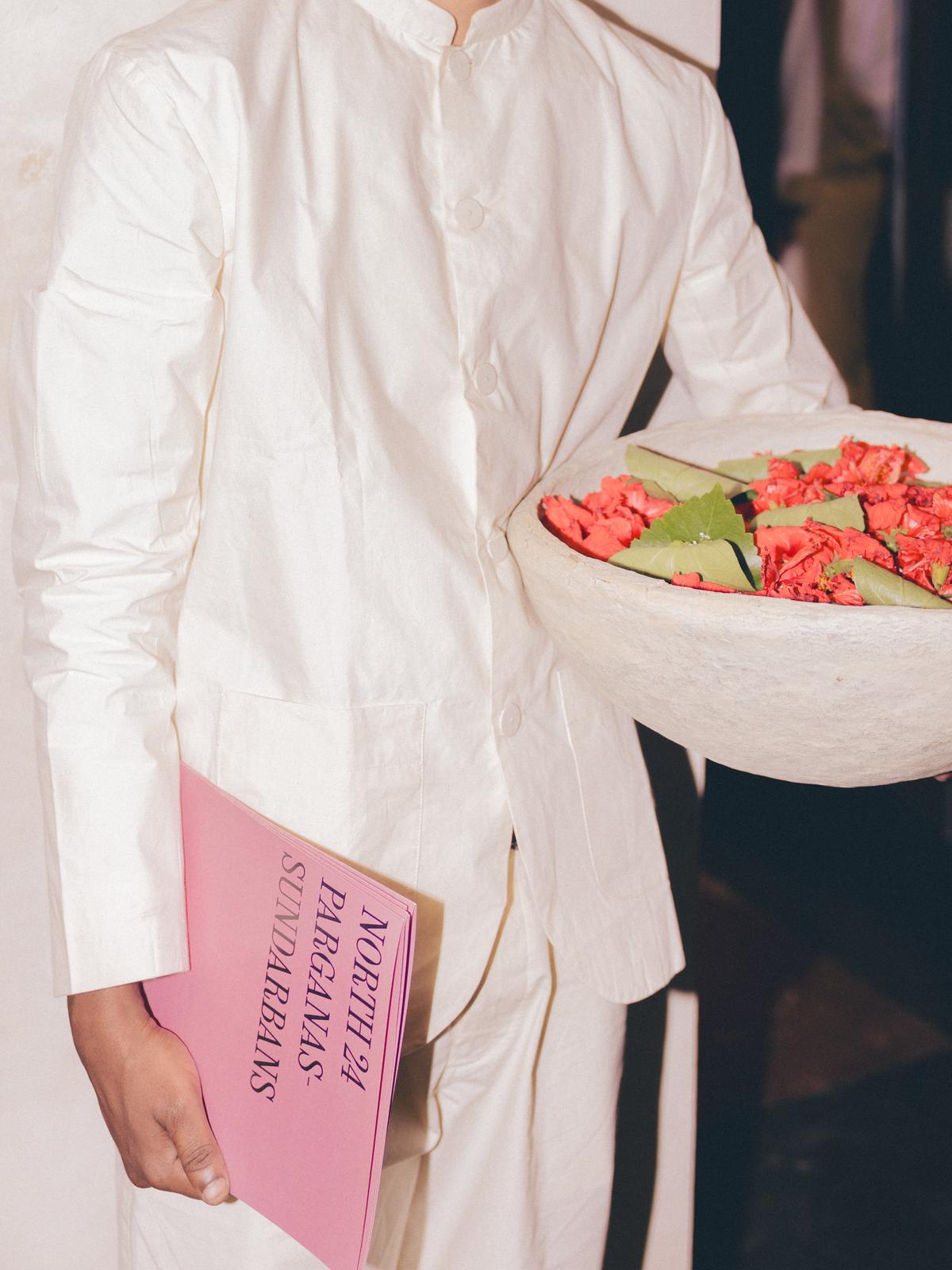

As part of the launch, a team in Kolkata recorded snippets of locals speaking Bengali. Sweet nothings as well as what Garg affectionately (to his team’s shushing) calls “the bakchodi of the streets”. The recordings appear as projected typography on the store walls and some played over Raw Mango’s Instagram reels. When released on social media though, one local designer commented on how the incorrect form of a Bengali word had been used. The final consensus in the city is that she was wrong, that it was simply a less common-in-Kolkata dialect, but the flare up that ensued showed a side of Bengal that might be quick to pull down a designer who dares to bring what many feel are overpriced Banarasis to the state of the Banarasi-wearing bride. But Garg is no stranger to claims of appropriation, and has spoken out in the past about the balance between borrowing from cultures and acknowledging them with respect.
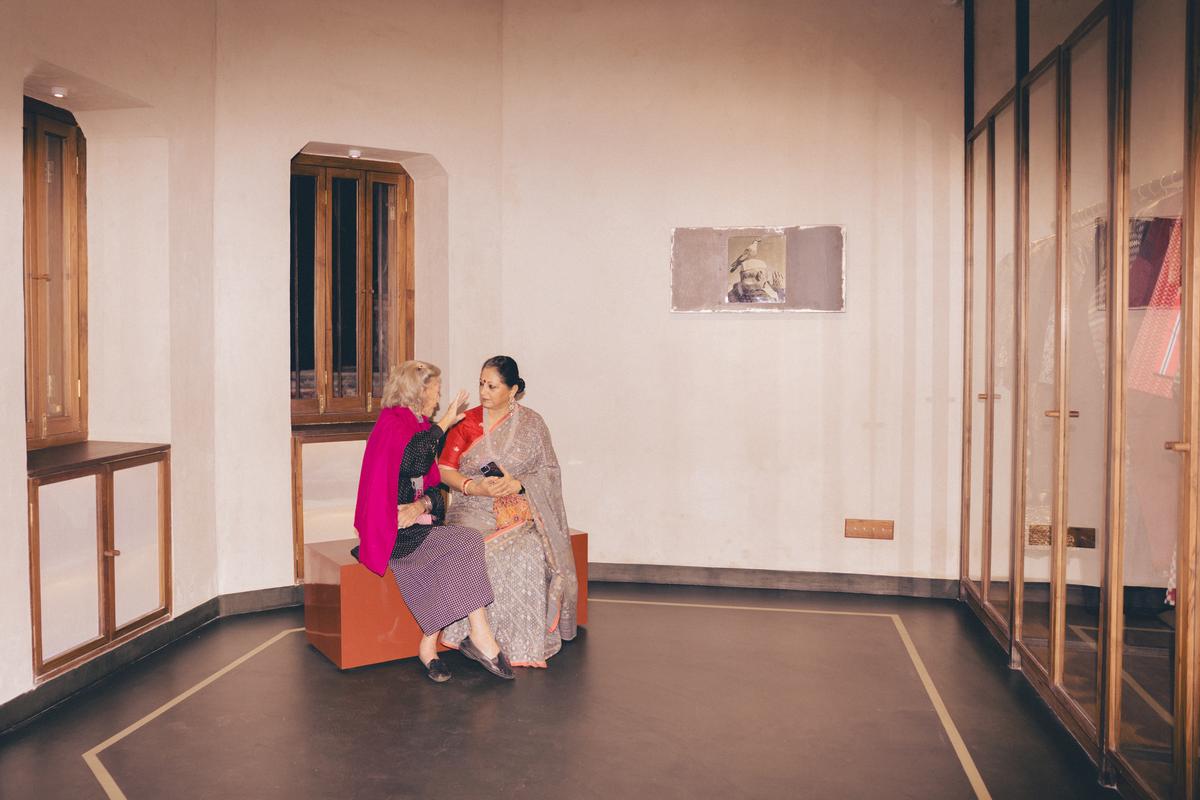
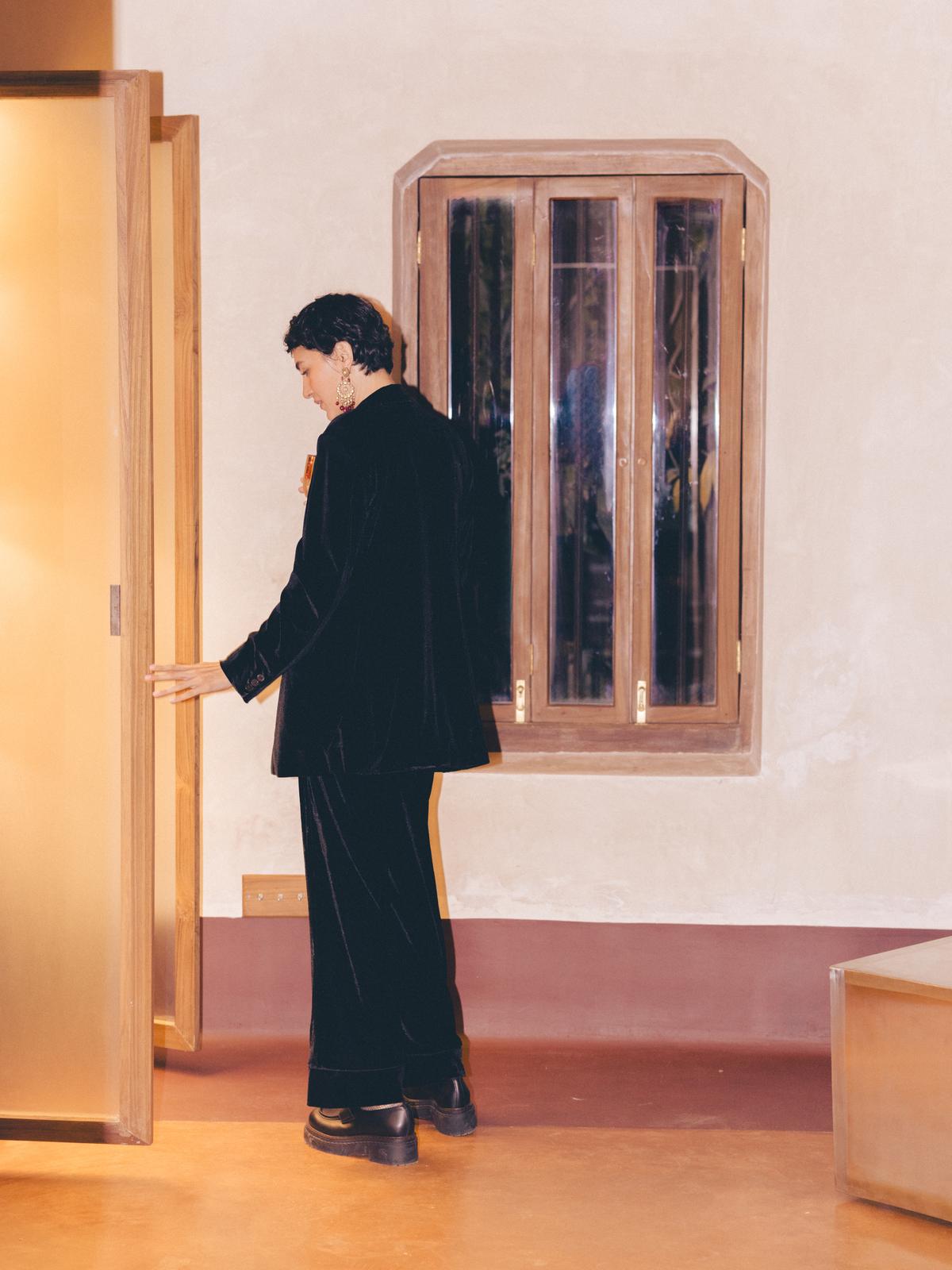
Guests at the Raw Mango Kolkata opening
Hiccups and criticism
When I ask if he is at all worried about entering this market, Garg says what scares him sometimes is that Kolkata is a “sari-wearing market”, suggesting this is a test in some ways, but emphasises the love the brand has received in the city over the years. He says it isn’t just Marwari clients he has, as many assume. “Our Kolkata clientele is made up of an equal number of Bengalis as Marwaris, and of course others.”
The evening of the show though, front row seats go empty. Something that a few people whisper would simply never happen in other cities, and that left others wondering if this reflected a city-wide attitude towards the brand. Most absentees insisted it was the traffic — particularly terrible that evening. Other criticisms came up in the choice of music for the show. Curated by arts experience company Artsforward, musicians from the collective The Other Borno performed a live piece made to feel like a street protest. Inspired by singers Bhupen Hazarika and Paul Robeson, it honoured the Ganga. The story felt like the perfect tribute — a river that flows through the country, and makes its way from Banaras to Kolkata. Despite its powerful messaging though, some viewers complained of the dissonance between the audio and visual experience.
The clothing itself, as always, went beyond Banarasi, showcasing a variety of Raw Mango pieces, not all new creations but an amalgamation. An eye-catching green bandhani coat, broad striped skirts, an exquisite scalloped black sari. Different textiles shone and came together, beautifully styled by Nikhil D., who layered garments in a way that felt both chic and cosy, as the temperatures dropped.
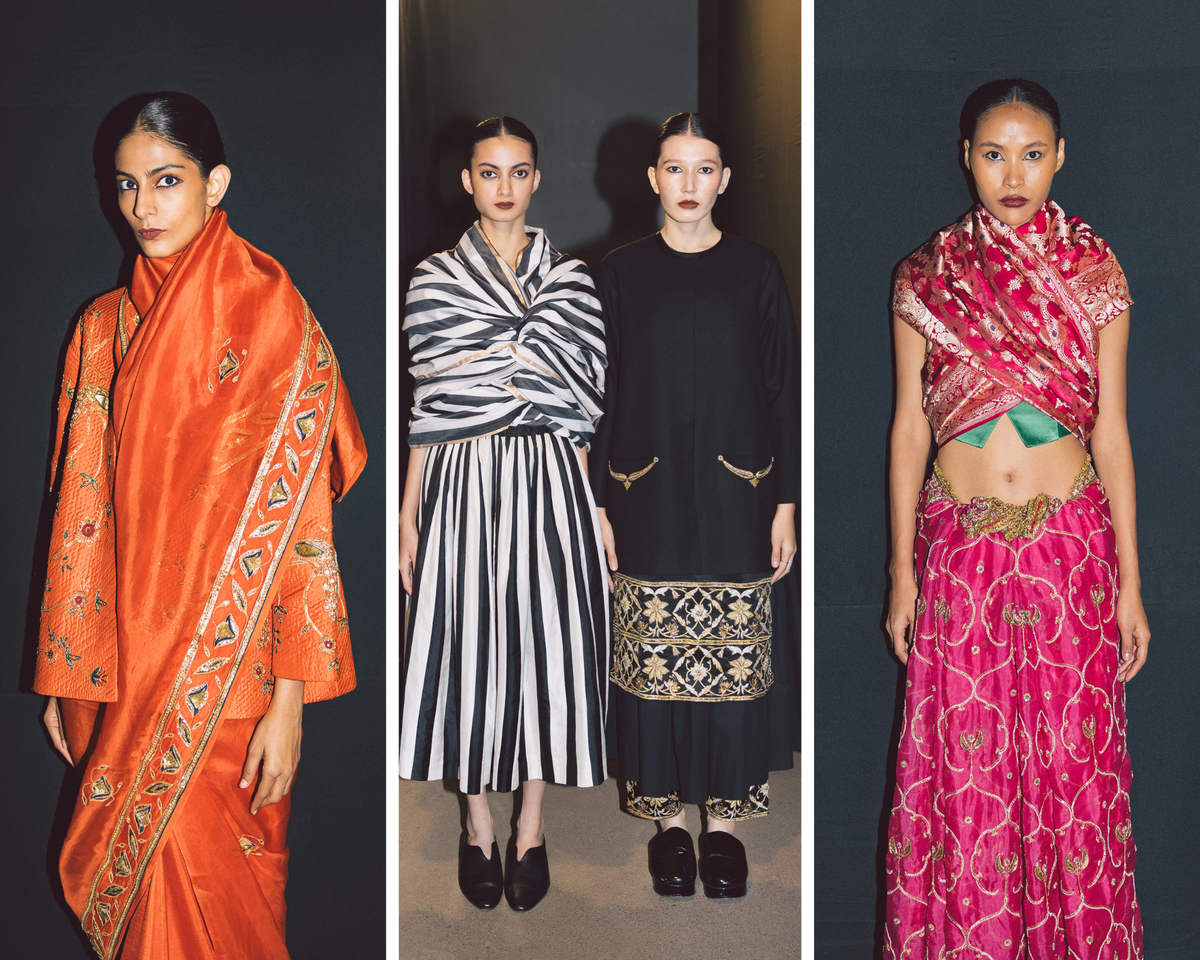
The clothing went beyond Banarasi
But whether the city of complex joys will truly embrace Garg and his dreamhouse, is yet to be seen. He is hopeful though, and full of love and admiration for Bengal.
The writer, spoken word poet, and screenwriter is based in Kolkata.
Discover more from stock updates now
Subscribe to get the latest posts sent to your email.