‘Perfect storm’: Lebanon crisis deepens as civilians bear the brunt
Since then, the intensity of exchanges has increased, with heavier fire from Hezbollah and intensified attacks and some ground incursions from the Israeli side, leading to what Mr. Riza described as “full-blown humanitarian catastrophe”.
815,000 uprooted
A staggering 815,000 people have been uprooted by the violence in Lebanon since Israeli forces responded to Hezbollah rocket fire in the early days of the Middle East war, on 2 March, with airstrikes and mass evacuation orders.
The rapid displacement reflects the scale of the crisis and its growing impact on civilians.
“The toll on civilians is huge,” he said in an interview with Reem Abaza of UN News, pointing to the number of children among those killed. Eighty-three children were killed in the first week of the conflict, he said, with children accounting for about 20 per cent of overall fatalities, while women make up roughly 21 per cent.
The numbers underscore what Mr. Riza described as a recurring pattern in modern conflicts, where civilians – and particularly children – are disproportionately affected.

Displacement is also disrupting education across the country. Around 120,000 displaced people are staying in collective shelters, most of them set up in public schools. Classrooms have been turned into temporary living spaces, leaving many children without access to schooling.
“Not only are children getting killed and displaced,” the senior official said, “but also children are not having the opportunity to have their right to education.”
Struggling to rebuild lives
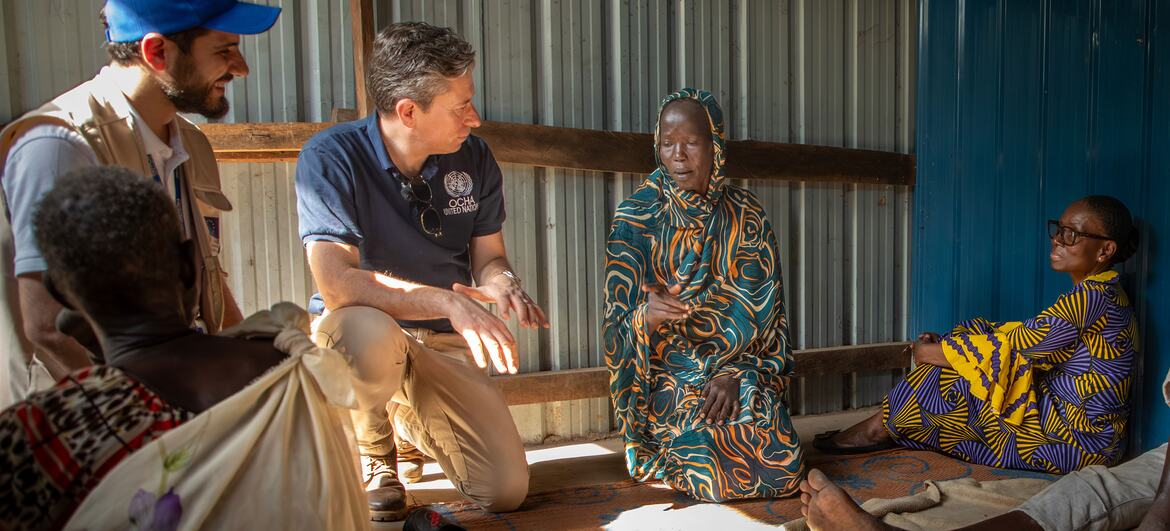
Our interview with Mr. Riza was briefly interrupted by loud sound of explosions, after which he continued talking about his visits to shelters across Lebanon.
Mr. Riza said he has heard similar stories from families forced to flee their homes within minutes after evacuation warnings covering large areas, including parts of southern Lebanon and Beirut’s southern suburbs.
Many had only recently returned home after being displaced during the escalation in 2024 between Israel and Hezbollah and were trying to rebuild their lives.
“One of the things that many have said is that they were just trying to struggle to rebuild their lives,” he said.
Among those he met was a woman from Bint Jbeil who arrived at a shelter with her two children still wearing the pajamas they had on when they fled their home.
“She said ‘thank you, we’ve got some blankets and mattresses’,” Mr. Riza recalled. “But, she asked if we could get clothes for her children and a frying pan so she could cook for the other people sharing the room in the shelter.”
Women ‘holding families together’
Despite the hardship, he said women are playing a central role in helping families cope.
“Women are the ones holding the families together,” he said, describing how many are organising evacuations and supporting children dealing with trauma.
At the same time, the humanitarian response is becoming increasingly difficult. Mr. Riza said the current crisis is broader than the escalation seen in 2024, while Lebanon itself is in a weaker position.
Funding cuts reduce resources
Global humanitarian funding cuts have reduced available resources, and the strong regional support that helped during the previous crisis is understandably muted this time as countries deal with attacks from Iran, which Tehran says are targeting US bases.
During the 2024 escalation, Gulf countries, including Saudi Arabia, Qatar, the United Arab Emirates, Kuwait, Oman and Bahrain, provided significant assistance. But now, those countries are themselves affected by the wider crisis and are not in a position to respond in the same way.
“All of this together is frankly a perfect storm of unpredictable challenges,” he said.
UN agencies are now repurposing existing funds to focus on lifesaving priorities and preparing a flash appeal, that will be launched on Friday, to mobilise additional support. The UN is also drawing on the Lebanon Humanitarian Fund and seeking emergency funding.
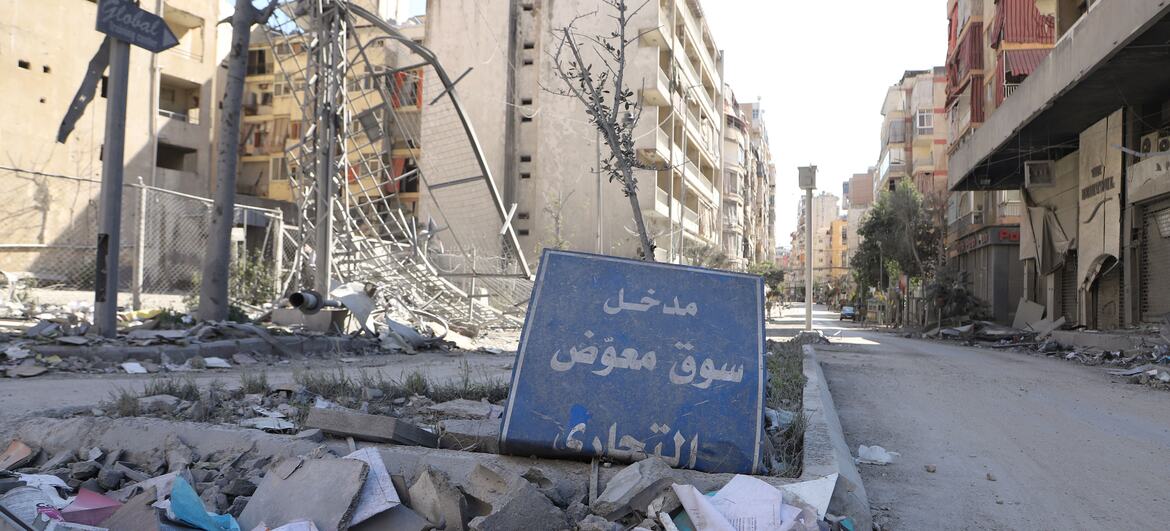
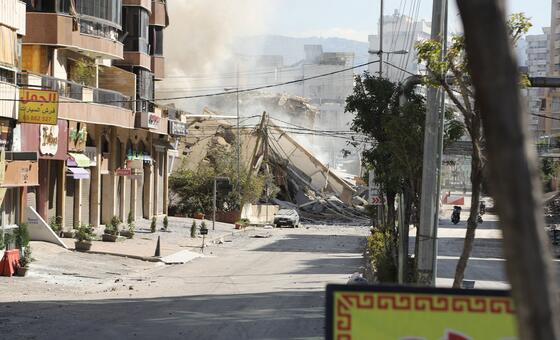
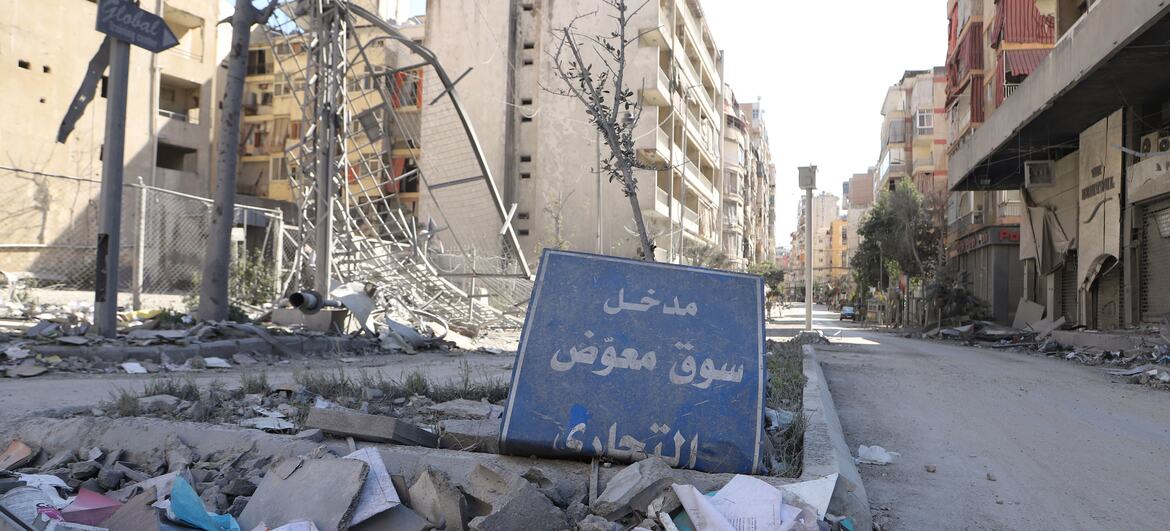
The impact of recent airstrikes is visible in a suburb of Beirut, Lebanon.
Ceasefire is urgent
Still, Mr. Riza stressed that humanitarian assistance alone cannot resolve the crisis.
“What we need more than anything is a stop in the hostilities,” he said, emphasising that only a political and diplomatic process can end the suffering.
Until then, he called for urgent international support, humanitarian access to affected communities and above all, respect for international humanitarian law.
“Civilians are bearing the brunt,” Mr. Riza said. “They should not be the ones paying the price.”
Discover more from stock updates now
Subscribe to get the latest posts sent to your email.