Pentagon cuts Harvard ties: Is this about “radical ideology” or controlling minds?
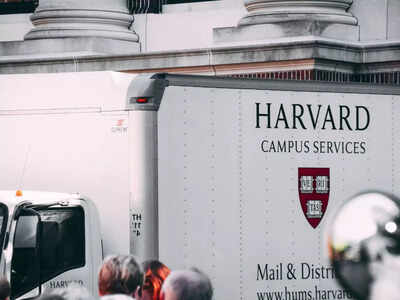
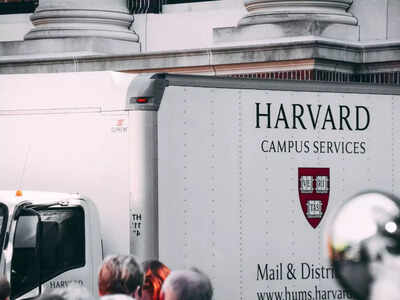
When the US defence secretary declares that an elite university no longer serves the needs of the military, the question is not merely academic. It cuts to the heart of how power, knowledge, and obedience are meant to intersect in modern America.The Pentagon’s decision to terminate all military training, fellowship, and certificate programmes with Harvard University from the 2026–27 academic year marks one of the most explicit attempts yet by the Trump administration to redraw the boundaries between higher education and the state. Officially, the justification is ideological. But the deeper conflict appears to be about something more fundamental: who gets to define acceptable thought within institutions that shape national leadership.
The charge: “Radical ideology”

In announcing the move, Defence Secretary Pete Hegseth framed the decision in starkly moral terms. Harvard, he said, had failed to “understand and appreciate our warrior class.” Officers sent to the university returned, in his words, with “heads full of globalist and radical ideologies that do not improve our fighting ranks.”The language is telling. There is no reference to academic performance, professional competence, or operational failure. The indictment is cultural and intellectual. Harvard, in this telling, does not merely teach differently; it corrupts.Yet the administration has not publicly identified specific courses, syllabi, or faculty members responsible for this alleged ideological drift. Nor has it released evidence that officers trained at Harvard performed worse than their peers educated through military war colleges or other civilian institutions.Instead, the accusation rests on a broader narrative long cultivated by the Trump administration: that elite universities function as ideological factories, hostile to nationalism, traditional hierarchies, and the exercise of state power.
What the programmes actually were
The programmes now being cut were not undergraduate humanities seminars or activist training grounds. They consisted of graduate-level professional military education—short-term fellowships, certificates, and executive-style courses designed to expose senior officers to strategic thinking, civil-military relations, global governance, and public policy.Such programmes have historically been treated as supplements, not replacements, to military war colleges. Civilian education has never guaranteed promotion within the armed forces. Its value lay elsewhere: in preparing officers for complex post-service careers in government, diplomacy, and industry, and in broadening their understanding of the civilian institutions they ultimately serve.That, critics argue, may be precisely the problem.
Discover more from stock updates now
Subscribe to get the latest posts sent to your email.