


One big reason ships and insurers are unwilling to risk Strait of Hormuz
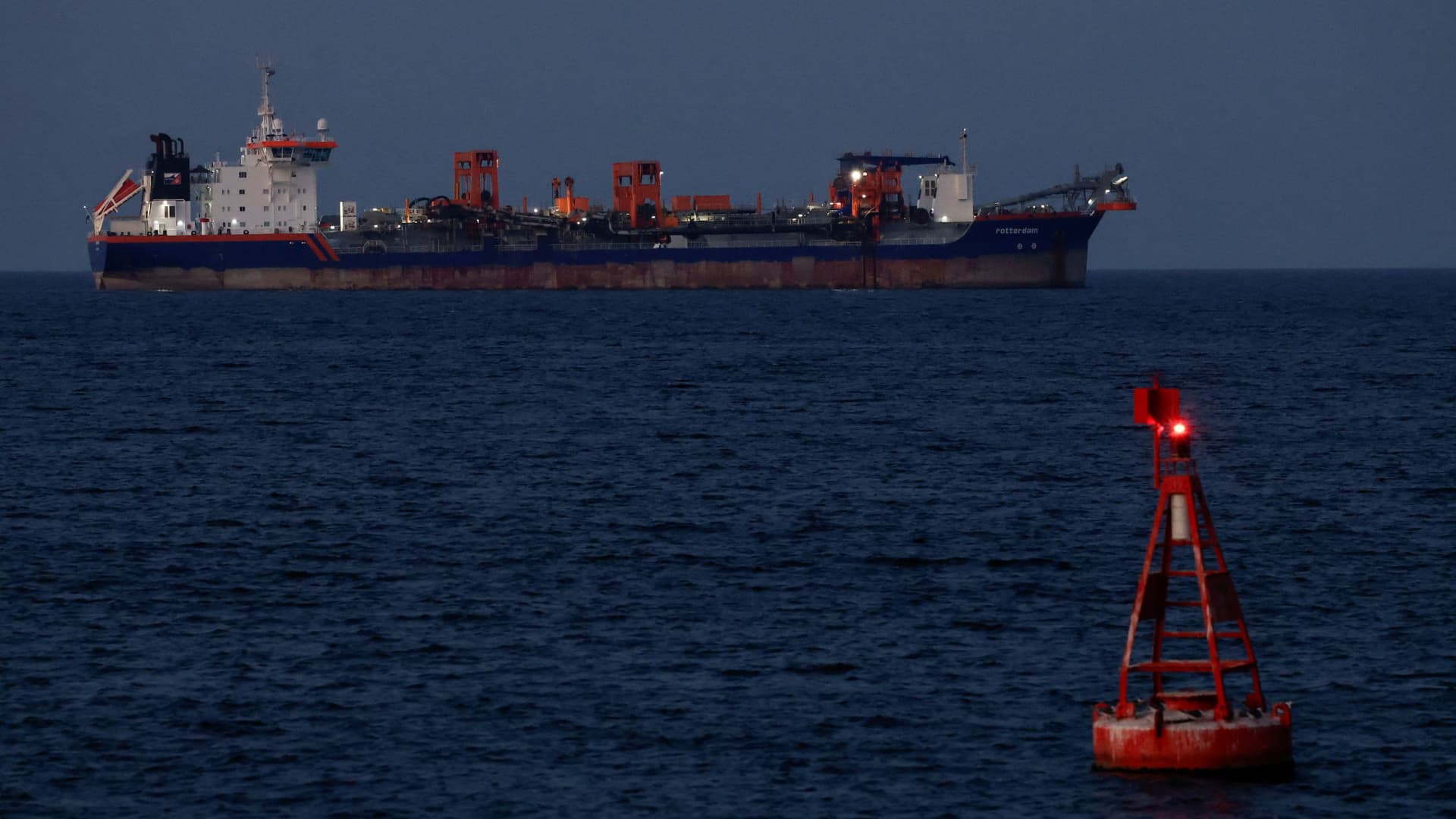
Benoit Tessier | Reuters

It’s a massive risk in a region that stretches from Kuwait to Qatar — an area of glittering high-rise buildings, posh beachfront resorts and booming commercial centers. Its incredible wealth and shift toward tourism is a dramatic change from the late 1980s, when a tanker war between Iraq and Iran threatened the oil trade in the Persian Gulf.
What the region doesn’t have is the kind of sophisticated oil clean-up industry and technology that is readily available in the United States, according to a risk advisor who asked not to be named.
That expensive pollution risk has not yet been addressed by the global insurance market, which doesn’t have the data to calculate business disruption claims should a massive oil spill contaminate destination beaches.
Pollution is offered under marine insurance, which also includes coverage for ships’ hulls, machinery and cargo.
Expensive coverage
Hull, machinery and cargo coverage has remained available to shipping companies, even after missiles began flying. But it was expensive — 4-6 times more than the previous week, according to Marsh and Howden Group, two leading global insurance brokers.
Still, sources tell CNBC that President Trump’s commitment to insure tankers and get commerce moving helped reassure the market that the U.S. government would provide appropriate supports.
But the Development Finance Corporation’s rolling $20 billion reinsurance facility, for now, is only intended as a backstop for hull, machinery and cargo — with no mention of essential pollution coverage.
The DFC told CNBC Monday more details would soon be available about the program.
But in the meantime, the pollution risk and potential shutdown in business is considered the kind of unknowable or uninsurable risk that the U.S. faced from terrorism in the aftermath of 9-11. The government then stepped in to create TRIA (Terrorism Risk Insurance Act) in 2002 to help insurance carriers manage catastrophic terrorism risk.
Sources say that without that kind of backstop for environmental risk a kind of quagmire will continue to clog commerce in the Persian Gulf.
Discover more from stock updates now
Subscribe to get the latest posts sent to your email.