


National Park Service warns of quicksand hazards for travelers at Glen Canyon
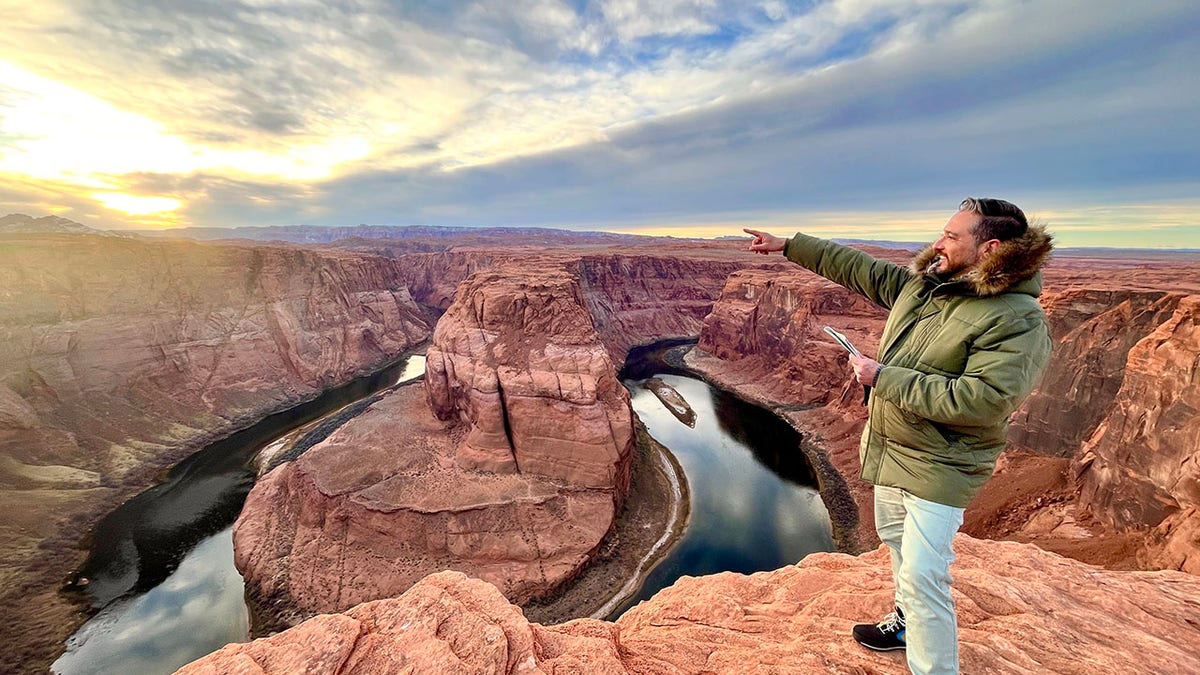
The National Park Service issued a warning about the presence of hazardous quicksand areas near the shoreline and at drainages in Glen Canyon National Recreation Area, which spans across both Arizona and Utah.
“It can appear dry and firm on the surface but may suddenly give way,” the Park Service said in a March 3 safety alert on Facebook and on its website.
“Watch for unstable, shifting or unusually soft ground — and use caution when entering these areas.”
NATIONAL PARK DEATH EXPOSES REPEATED RULE VIOLATIONS AS TOURISTS TAKE DANGEROUS RISKS
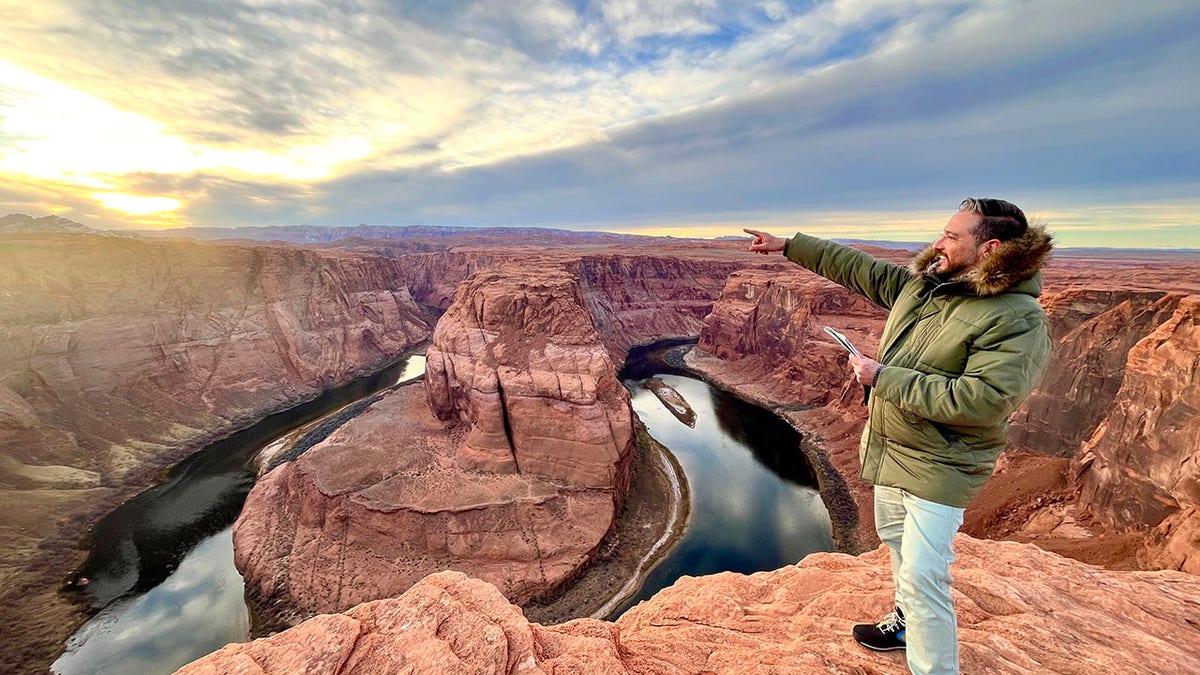
Glen Canyon spans more than 1.25 million acres, stretching from Lees Ferry in Arizona to the Orange Cliffs of southern Utah. It’s renowned for its water-based recreation, back-country adventures, and the iconic Horseshoe Bend along the Colorado River.
The National Park Service’s website notes there are multiple warning signs that can signal possible quicksand. Those include unexpected water seepage, shifting, rippling or vibrating soil.

Dry-looking surfaces that feel soft or spongy can be a problem, it says.
Depressions or saturated low spots can be signs. Fine sediment mixed with water can also be a red flag.
“It can appear dry and firm on the surface but may suddenly give way.”
Quicksand is a mixture of fine sand, clay and salt water, according to an article published by Live Science.
CLICK HERE FOR MORE LIFESTYLE STORIES
Quicksand has a density of about 2 grams per milliliter, while humans have a density of about 1 gram per milliliter, according to National Geographic.
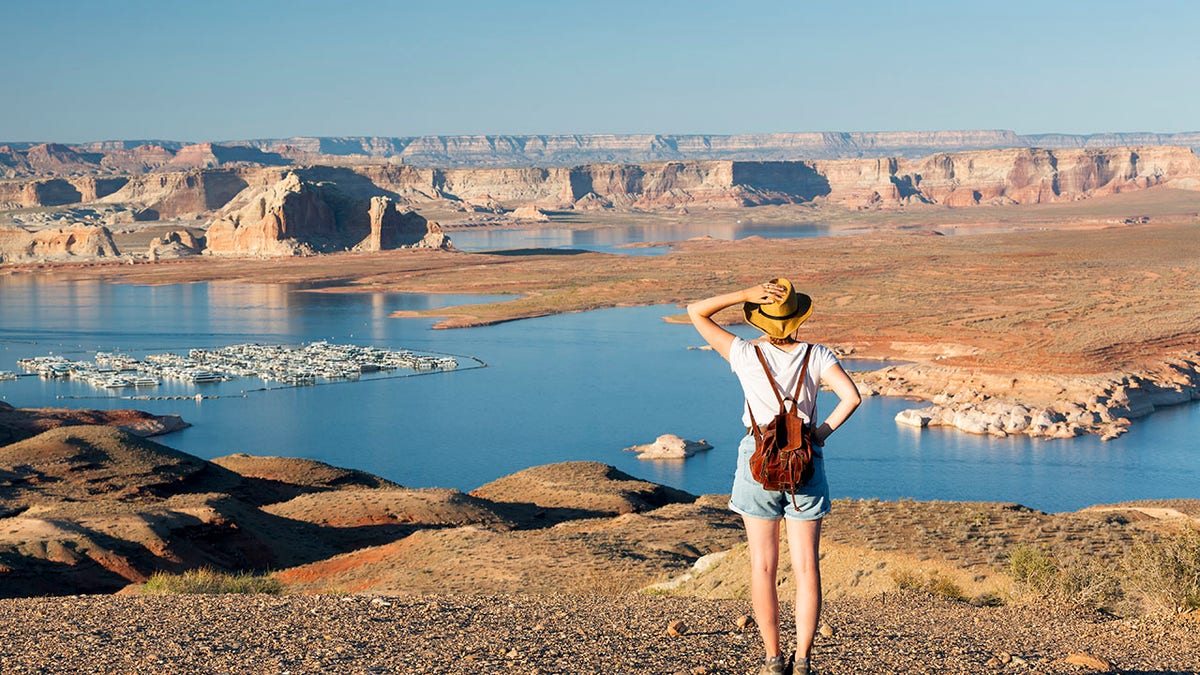
Glen Canyon stretches more than 1.25 million acres from Lees Ferry in Arizona to the Orange Cliffs of southern Utah. (iStock)
“At that level of density, sinking in quicksand is impossible. You would descend about up to your waist, but you’d go no further,” the publication said.
CLICK HERE TO SIGN UP FOR OUR LIFESTYLE NEWSLETTER
“People who are caught in supersaturated sand remain buoyant — people don’t sink in quicksand — allowing them to float and wriggle themselves to safety,” Jim Britt, conservation and forestry spokesperson at the Maine Department of Agriculture, previously told The Associated Press.
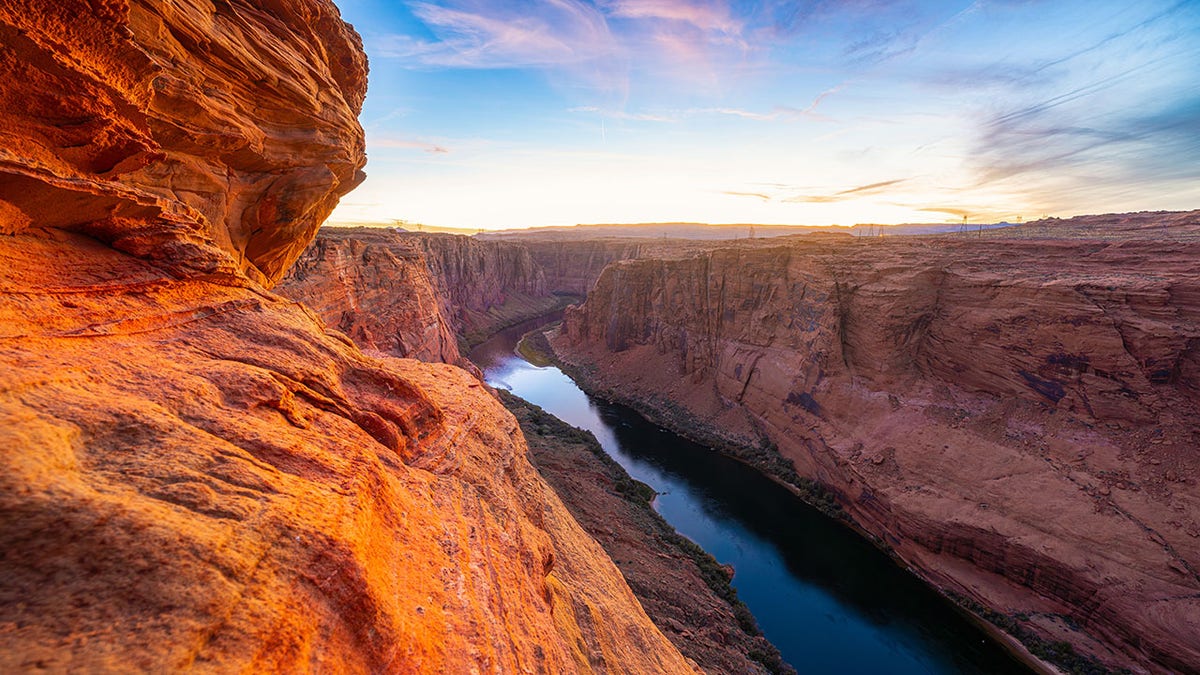
“Watch for unstable, shifting or unusually soft ground, and use caution when entering these areas,” the National Park Service warned. (iStock)
The National Park Service shared other advice on its website.
“Stay calm and avoid sudden movements,” the site says.
TEST YOURSELF WITH OUR LATEST LIFESTYLE QUIZ
“Lean back to spread out [your] body weight” if caught in quicksand.
The site also recommends slowly working legs upward: “Wiggle feet slowly or rotate legs slightly.”
CLICK HERE TO DOWNLOAD THE FOX NEWS APP
Then use slow, controlled movements to move toward firmer ground.
Use a sturdy object for leverage — and avoid standing up until safely out.
Ashley J. DiMella of Fox News Digital contributed reporting.
Discover more from stock updates now
Subscribe to get the latest posts sent to your email.