



Microscopic robots breakthrough: Smallest programmable bots swim autonomously
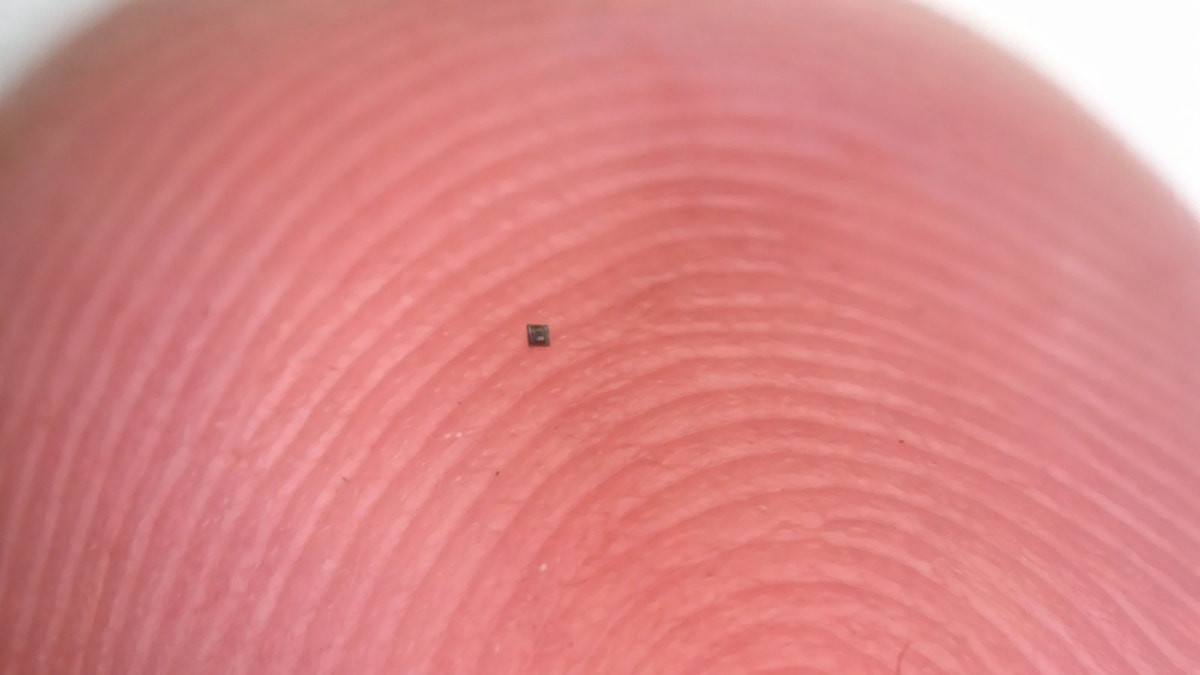
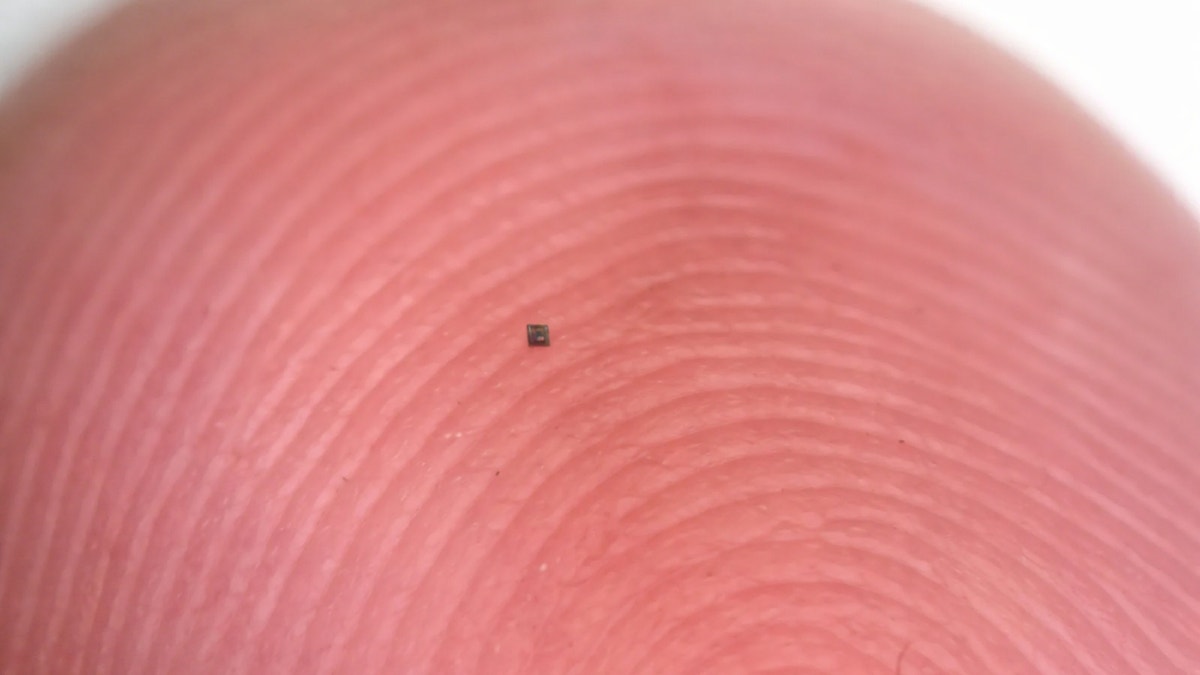
For decades, microscopic robots lived mostly in our imagination. Movies like “Fantastic Voyage” convinced us that tiny machines would one day cruise through the human body, fixing problems from the inside. In reality, that future stayed frustratingly out of reach.
The reason was not a lack of ambition. It was physics.
Now, a breakthrough from researchers at the University of Pennsylvania and the University of Michigan has changed the equation. The teams have built the smallest fully programmable autonomous robots ever created, and they can swim.
Sign up for my FREE CyberGuy Report
Get my best tech tips, urgent security alerts and exclusive deals delivered straight to your inbox. Plus, you’ll get instant access to my Ultimate Scam Survival Guide – free when you join my CYBERGUY.COM newsletter.
A new way to swim without moving parts

ROBOTS LEARN 1,000 TASKS IN ONE DAY FROM A SINGLE DEMO
The robots measure about 200 by 300 by 50 micrometers. That is smaller than a grain of salt and close to the size of a single-celled organism. They do not have legs or propellers. Instead, they use electrokinetics. Each robot generates a small electrical field that pulls charged ions in the surrounding fluid. Those ions drag water molecules with them, effectively creating a flowing river around the robot. The result is motion without moving parts. That makes the robots extremely durable and surprisingly easy to handle, even with delicate lab tools.
A brain powered by almost nothing
Each robot runs on tiny solar cells that generate just 75 nanowatts of power. That is more than 100,000 times less than a smartwatch. To make this work, engineers redesigned everything. They built ultra-low voltage circuits and created a custom instruction set that compresses complex behavior into just a few hundred bits of memory. Despite the limits, each robot can sense its environment, store data and decide how to move next.
How these robots communicate with a dance
The robots cannot carry antennas, so the team borrowed a trick from nature. Each robot performs a tiny wiggle pattern to report information like temperature. The motion follows a precise encoding scheme that researchers can decode by watching through a microscope. The idea closely mirrors how bees communicate through movement. Programming works the other way. Researchers flash light signals that the robots read as instructions. A built-in passcode prevents random light from interfering with their memory.
What these tiny robots can do today
In current tests, the robots demonstrate thermotaxis. They sense heat and autonomously swim toward warmer areas. That behavior hints at future uses like tracking inflammation, locating disease markers or delivering drugs with extreme precision. Light can already power robots near the skin. For deeper environments, the researchers are exploring ultrasound as a future energy source.
PRIVATE AUTONOMOUS PODS COULD REDEFINE RIDE-SHARING

Tiny robots move by creating electric fields that pull surrounding fluid, allowing them to swim without propellers or moving parts. (iStock)
Cheap enough to use by the thousands
Because these robots are made with standard semiconductor manufacturing, they can be produced in large numbers. More than 100 robots fit on a single chip, and manufacturing yields already exceed 50%. In mass production, the estimated cost could drop below one cent per robot. At that price, disposable robot swarms become realistic rather than theoretical.
What this means to you
This technology is not about flashy gadgets. It is about scale. Robots this small could one day monitor health at the cellular level, build materials from the bottom up or explore environments too delicate for larger machines. While medical use is still years away, this breakthrough shows that true autonomy at the microscale is finally possible.
Take my quiz: How safe is your online security?
Think your devices and data are truly protected? Take this quick quiz to see where your digital habits stand. From passwords to Wi-Fi settings, you’ll get a personalized breakdown of what you’re doing right and what needs improvement. Take my Quiz here: Cyberguy.com.
Kurt’s key takeaways
For nearly 50 years, microscopic robots felt like a promise science could never quite keep. This research, published in Science Robotics, changes that narrative. By embracing the strange physics of the microscale instead of fighting it, engineers unlocked an entirely new class of machines. This is only the first chapter, but it is a big one. Once sensing, movement and decision-making fit into something almost invisible, the future of robotics looks very different.
If tiny robots could swim through your body one day, would you trust them to monitor your health or deliver treatment? Let us know by writing to us at Cyberguy.com.

Light-based commands trigger precise movements as microscopic robots receive instructions, change direction and move independently. (iStock)
CLICK HERE TO DOWNLOAD THE FOX NEWS APP
Sign up for my FREE CyberGuy Report
Get my best tech tips, urgent security alerts and exclusive deals delivered straight to your inbox. Plus, you’ll get instant access to my Ultimate Scam Survival Guide – free when you join my CYBERGUY.COM newsletter.
Copyright 2026 CyberGuy.com. All rights reserved.
Discover more from stock updates now
Subscribe to get the latest posts sent to your email.