Meet Divya Surepalli, Andhra Pradesh’s first licenced civilian woman skydiver

Divya, who has her roots in Visakhapatnam, holds a postgraduate degree in Environmental Engineering from Germany. Skydiving had stayed with her as an idea for years, long before it became a plan. During a visit to the United States, she came close to making her first jump. “At that point, I only wanted to experience a tandem jump,” she says. Weather conditions ruled it out, but the disappointment carried an unexpected consequence. The thought of doing it with training and certification, began to take shape.

The turning point arrived when she travelled with Shweta Parmar, among the earliest civilian women skydivers in India, to Moscow for an Accelerated Freefall (AFF) course. The destination was Drop Zone Krutitcy, located outside the city. Divya intended to complete the entire sequence there. Instead, worsening weather after the initial stages interrupted the plan. “I finished my AFF there, but the conditions deteriorated soon after,” she says. “To complete the remaining jumps required for my licence, I had to relocate.” Thailand became the second classroom.
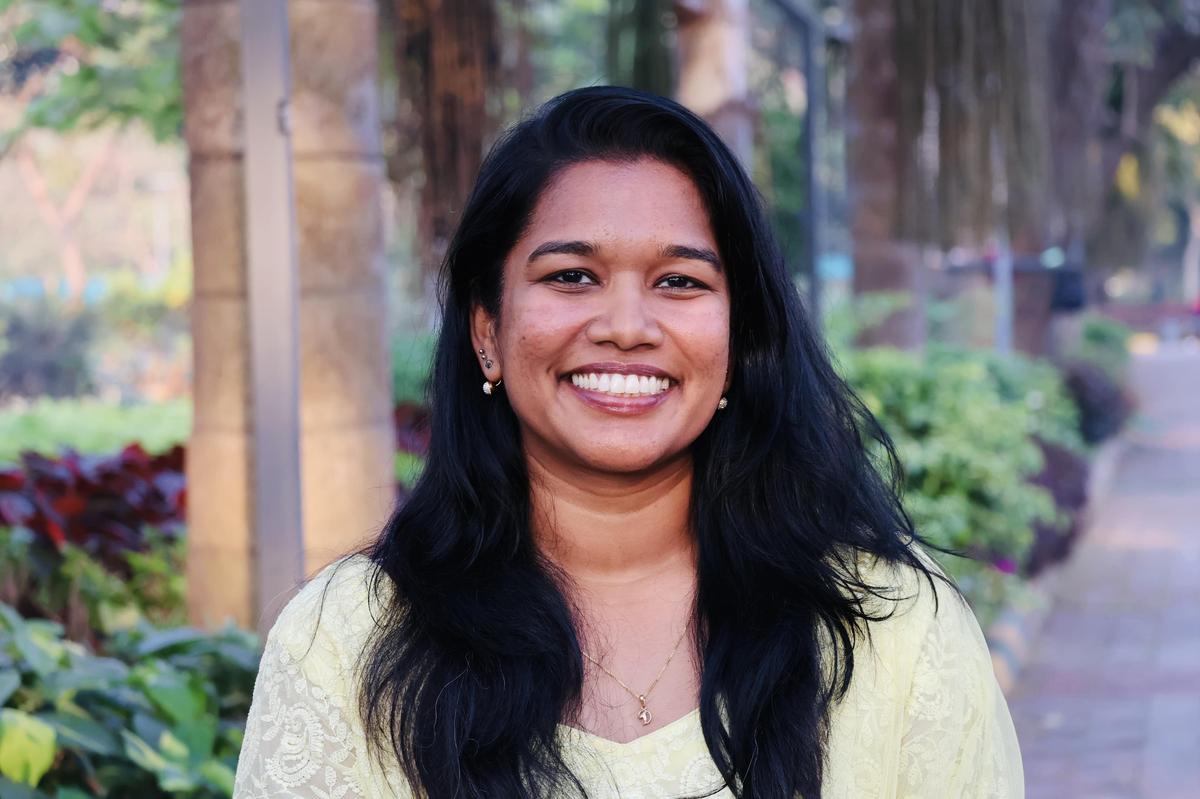
Divya Surepalli from Visakhapatnam, Andhra Pradesh’s first licensed civilian woman skydiver.
| Photo Credit:
SPECIAL ARRANGEMENT
To earn an A licence, the first level of certification for solo skydivers, a jumper must complete a minimum of 25 jumps, clear written or oral assessments, demonstrate specific freefall and canopy control skills, perform group jumps and pack their own parachute. With 29 jumps logged, Divya met the criteria. The licence allows a skydiver to jump at affiliated drop zones across the world without direct supervision.

The challenges
Progress, however, did not follow a straight line. Midway through her AFF course, a severe spin during freefall unsettled her. “That incident shook my confidence more than I expected,” she says. Doubts crept in, not as fear of the sky but as a question about her own judgement. The intervention came from her instructor and mentor Alex Troshyn. “I had withdrawn and was staying in my hostel,” she recalls. “He came to speak with me and reminded me that setbacks are part of training, not signs of failure. That conversation helped me return to the process.”
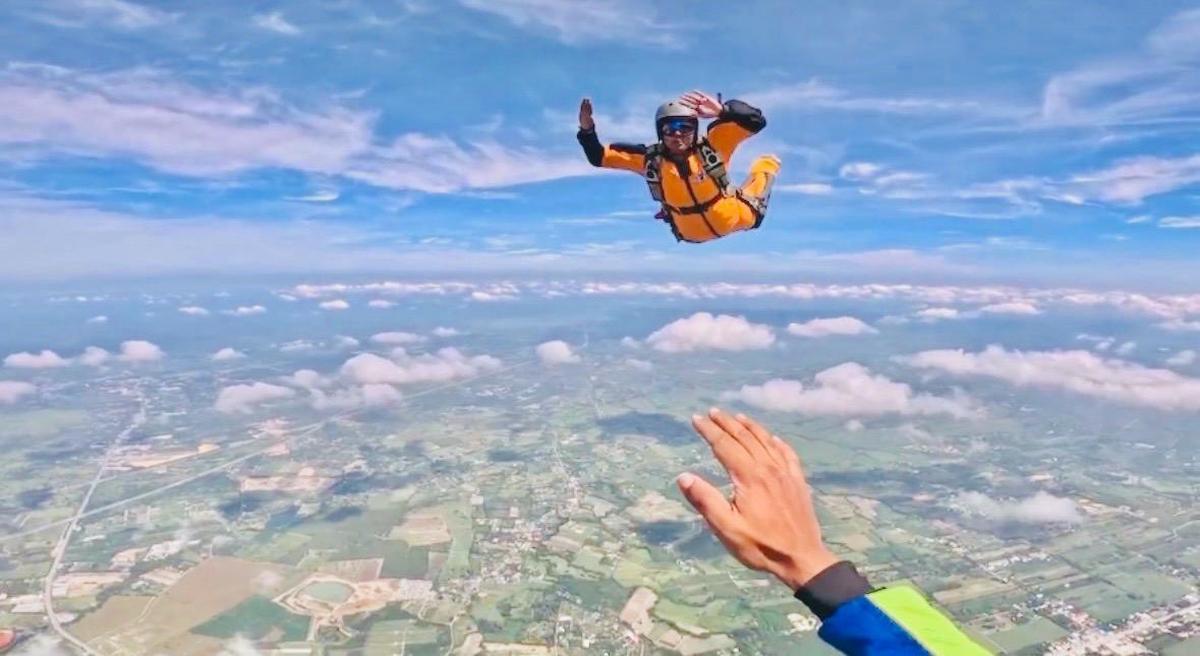
Divya Surepalli from Visakhapatnam, Andhra Pradesh’s first licensed civilian woman skydiver.
| Photo Credit:
SPECIAL ARRANGEMENT
Thailand presented its own lessons. During one jump, shifting winds altered her landing trajectory at around 1,000 feet above ground level. The options narrowed quickly. “It came down to landing on an asbestos roof or entering a swamp,” she recalls. Training had been unambiguous about avoiding water. The roof carried a near certainty of broken bones. A cluster of trees offered a third possibility. She aimed for it, accepting impact over injury. The landing, unexpectedly, was controlled. The moments preceding it were anything but calm.
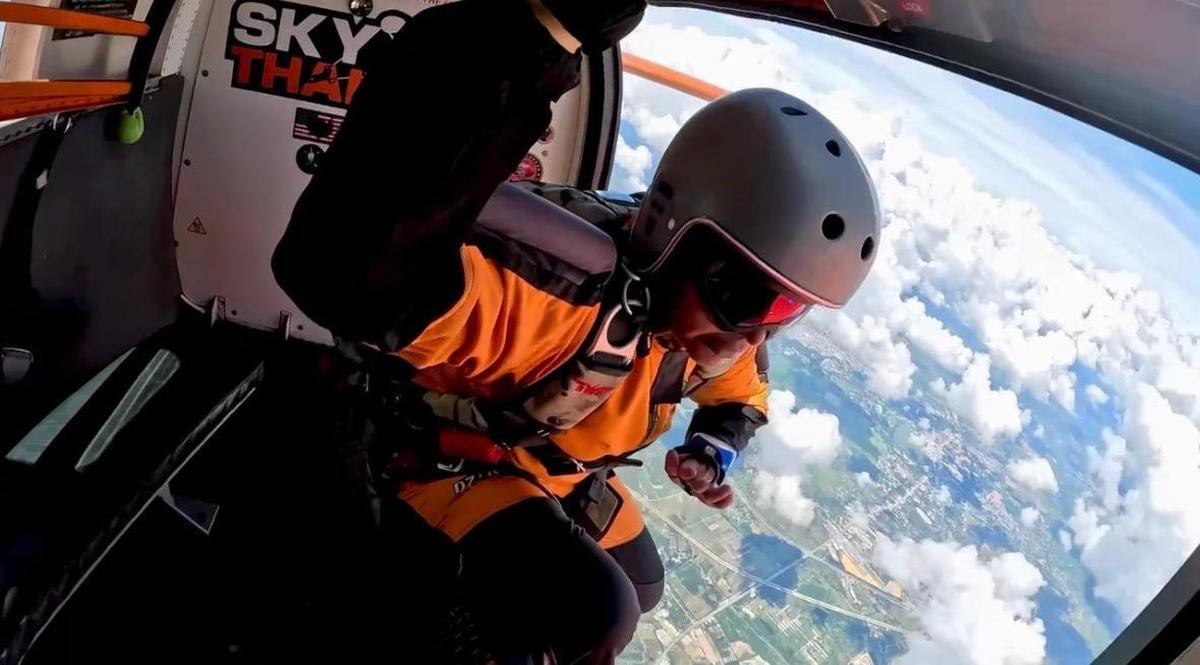
Divya Surepalli from Visakhapatnam, Andhra Pradesh’s first licensed civilian woman skydiver.
| Photo Credit:
SPECIAL ARRANGEMENT
Another jump demanded a late correction to avoid electric poles near the landing zone. Crosswinds, she explains, are common in Thailand, where drop zones are often lower. “At 12,000 feet, you have less freefall time than you would at 14,000 feet, as in Moscow,” she says. “That reduces the margin available for adjustments.” Each situation reinforced the discipline required to think clearly under pressure.
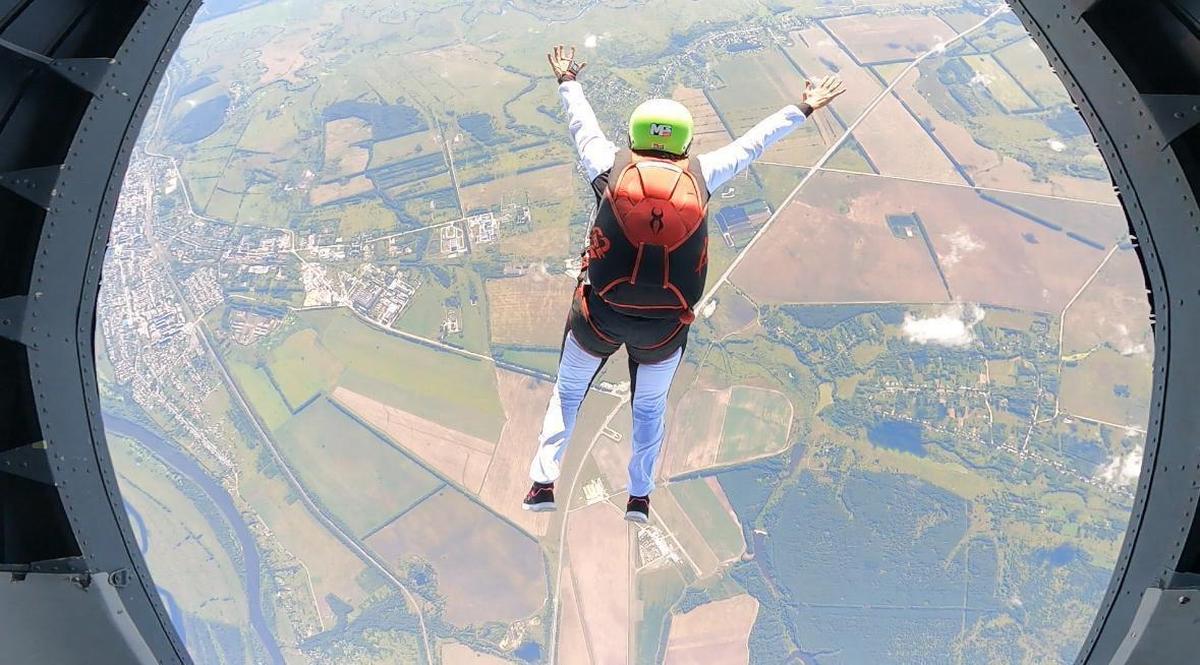
Divya Surepalli from Visakhapatnam, Andhra Pradesh’s first licensed civilian sky diver.
| Photo Credit:
SPECIAL ARRANGEMENT
Beyond the technical demands, Divya emphasises the importance of mentorship and support systems. Family acceptance was neither instant nor easy. Convincing her mother took time. Agreement came with a condition. “She asked me to video call her before and after every jump,” Divya says. “She wanted to see that I was safe. That reassurance mattered to both of us.”
Cost and access
Access remains one of the sport’s largest barriers in India. Only one drop zone currently offers tandem jumps, and none issue civilian licences. Aspiring skydivers must travel abroad for certification, which drives costs sharply upward. She estimates that obtaining her first licence cost around ₹5 lakh. Subsequent levels are less expensive, but the initial investment alone places the sport beyond reach for many.
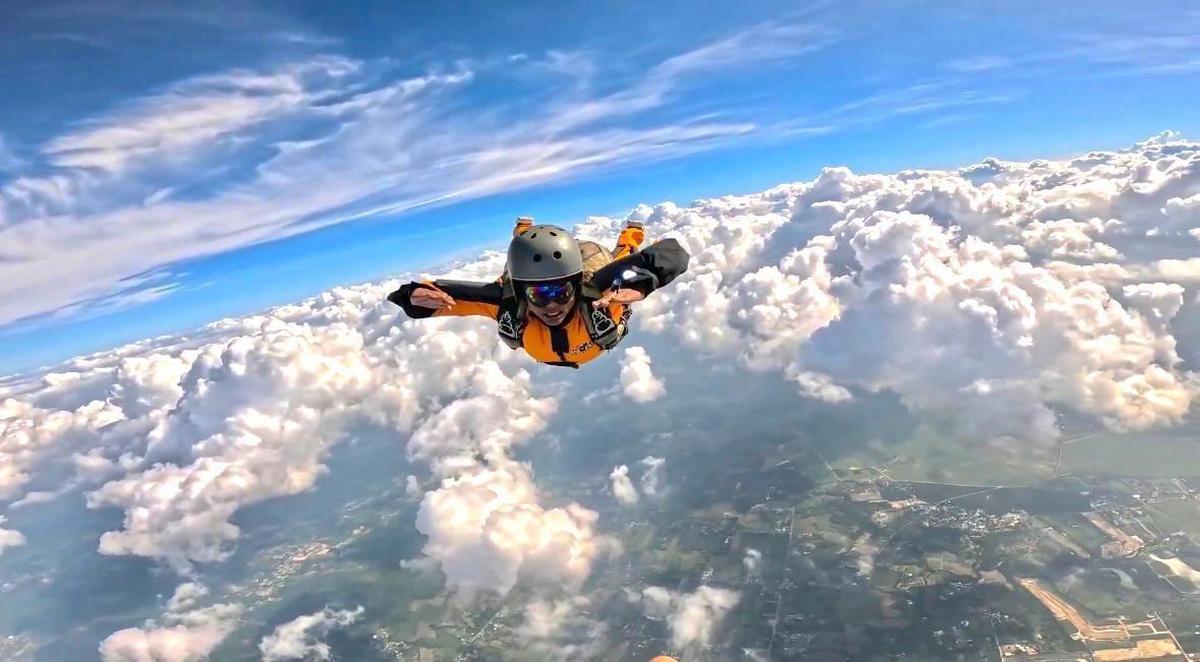
Divya Surepalli from Visakhapatnam, Andhra Pradesh’s first licensed civilian sky diver.
| Photo Credit:
SPECIAL ARRANGEMENT
Gender adds another layer. “It is a male dominated space and stereotypes are very real,” she says. “There were moments when I felt dismissed. At the same time, I also encountered men who were supportive and professional. Both experiences exist.” During periods of self doubt, those allies made a tangible difference.
Divya describes herself as shy, quiet and ambiverted, traits that seem at odds with the image commonly associated with skydivers. The sport altered that perception, including her own. “It changed how I respond to situations,” she says. “There is a heightened awareness that carries into everyday life. It has helped me become clear about what deserves attention and what does not.”
She is now part of an informal network of civilian women skydivers in India who share advice, training experiences and encouragement. Fitness remains central to her routine, with daily runs forming a steady counterbalance to the intensity of jumping.
For Divya, the achievement is not framed as conquest or thrill seeking. It is defined instead by persistence, training and the quiet resolve to finish what was once postponed by weather.
Published – January 30, 2026 10:25 am IST
Discover more from stock updates now
Subscribe to get the latest posts sent to your email.