



Karla Faye Tucker’s disturbing response to killings sealed her fate: profiler
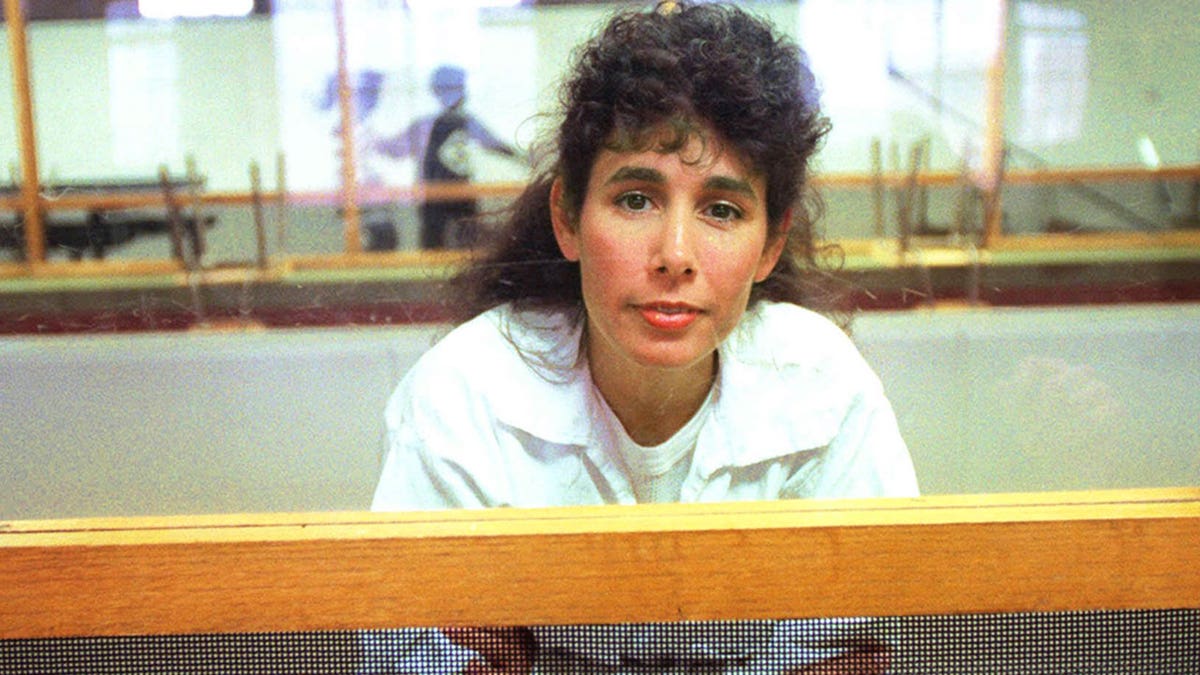
Karla Faye Tucker killed two people with a pickax before finding God behind bars — but Candice DeLong believes her fate was sealed long before the murders.
DeLong, a retired FBI agent and criminal profiler, hosts the true-crime podcast “Killer Psyche,” where she dissects notorious cases and analyzes the motives of high-profile offenders. She recently explored “The Death Row Convert” and how her conversion to Christianity divided the nation.
For DeLong, there was one disturbing detail about Tucker, who was executed in 1998 at age 38, that stood out.
TEXAS KILLER ASKS VICTIMS’ FAMILIES FOR FORGIVENESS BEFORE BECOMING FIRST EXECUTION OF 2026
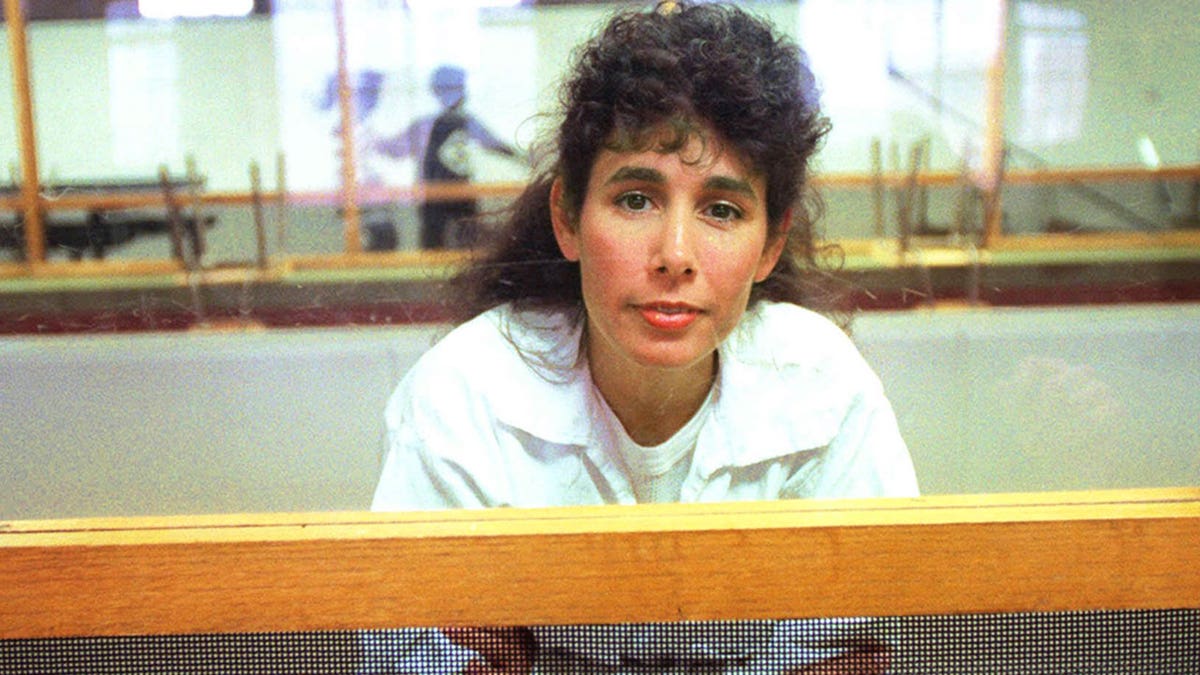
“Karla was doomed from the beginning, once people found out what she did,” DeLong told Fox News Digital. “And the worst thing she did, and she did not help herself by telling people this, that she had an orgasm when she was killing, while she was stabbing someone.”
“It raises the thought of, ‘If she could do that once, could she do it again?’” DeLong said. “‘What if she got out?’ I’m not saying she deserved the death penalty or not. It would have been fine with me for her to spend the rest of her life in prison. But we, as members of society, when we are so repulsed by what someone not only did but then brags about it, we just want it gone. We want them gone. We want the memory gone. And how do you do that? The ‘Death Chamber.'”
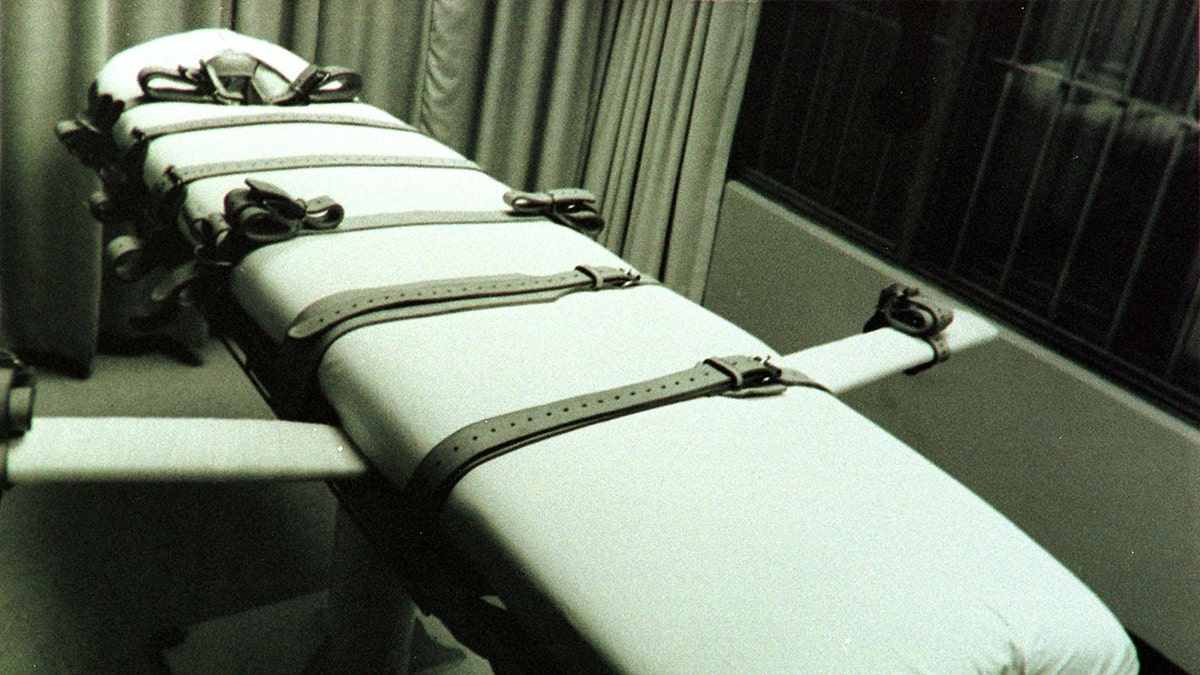
This photo released by the Texas Department of Corrections shows the gurney known as the “Death Chamber.” (Texas Department of Corrections/AFP via Getty Images)
Tucker, a Houston, Texas, native, was convicted of her role in the 1983 murders of Jerry Lynn Dean, 27, and Deborah Thornton, 32. Tucker and her then-boyfriend, Daniel Ryan Garrett, broke into Dean’s apartment intending to steal motorcycle parts.
WATCH: CANDICE DELONG DETAILS DEADLY TACTICS OF TRAILSIDE KILLER
Dean had reportedly angered Tucker over a dispute involving a motorcycle. During the burglary, both Dean and Thornton, who had met earlier that evening, were killed. Tucker later admitted to participating in both killings.

According to early reporting cited by the BBC, Tucker told police she experienced sexual arousal during the attack — statements she later appeared to distance herself from.
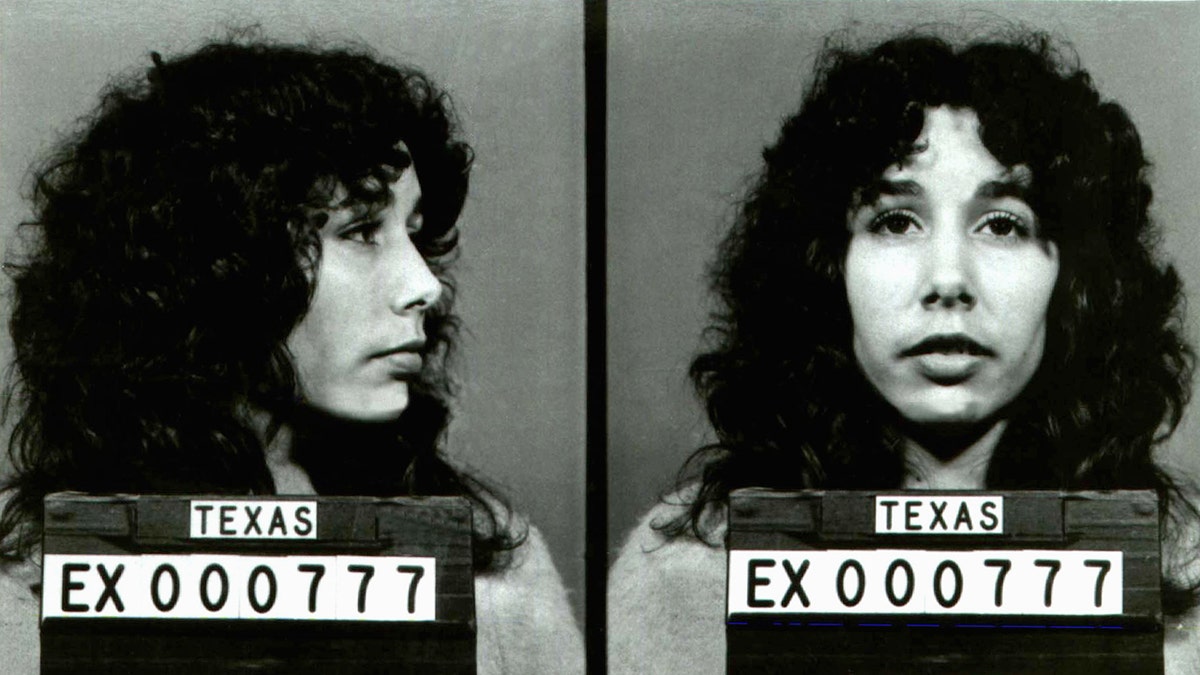
Karla Faye Tucker was arrested on June 15, 1983. (Carter Smith/Sygma via Getty Images)
“Karla was high on drugs during the crime,” said DeLong. “Karla was high on drugs for years before the crime.”

Retired FBI agent Candice DeLong is the host of “Killer Psyche.” (Audible Original)
“Karla Faye Tucker had a pretty sad and horrible childhood,” DeLong explained. “Her family broke up, and her mother became a sex worker. Now she’s got three young girls at home, teenage girls at home. And the mother’s doing drugs. Karla Faye starts using drugs at a very young age.
“The effects of drugs on an undeveloped brain have been studied by neuroscientists. They’re pretty much in agreement that a human child’s brain is not fully developed until they’re in their mid-20s. Alcohol, even marijuana, even light marijuana use, can have a deleterious effect on the development of a young brain. And I think that’s what happened to Karla Faye.”

The pickax used by Karla Faye Tucker. (Smiley N. Pool/Houston Chronicle via Getty Images)
“There was a lot of neglect,” DeLong continued. “When mom was around, she partied with her daughter. One of the things that we know can happen — drugs, alcohol and marijuana in an undeveloped brain — can create a psychological situation where, when that child or adolescent is an adult, they may have a violent streak, violence toward others and frequently suicidal behavior. We see that as well.”
FOLLOW THE FOX TRUE CRIME TEAM ON X
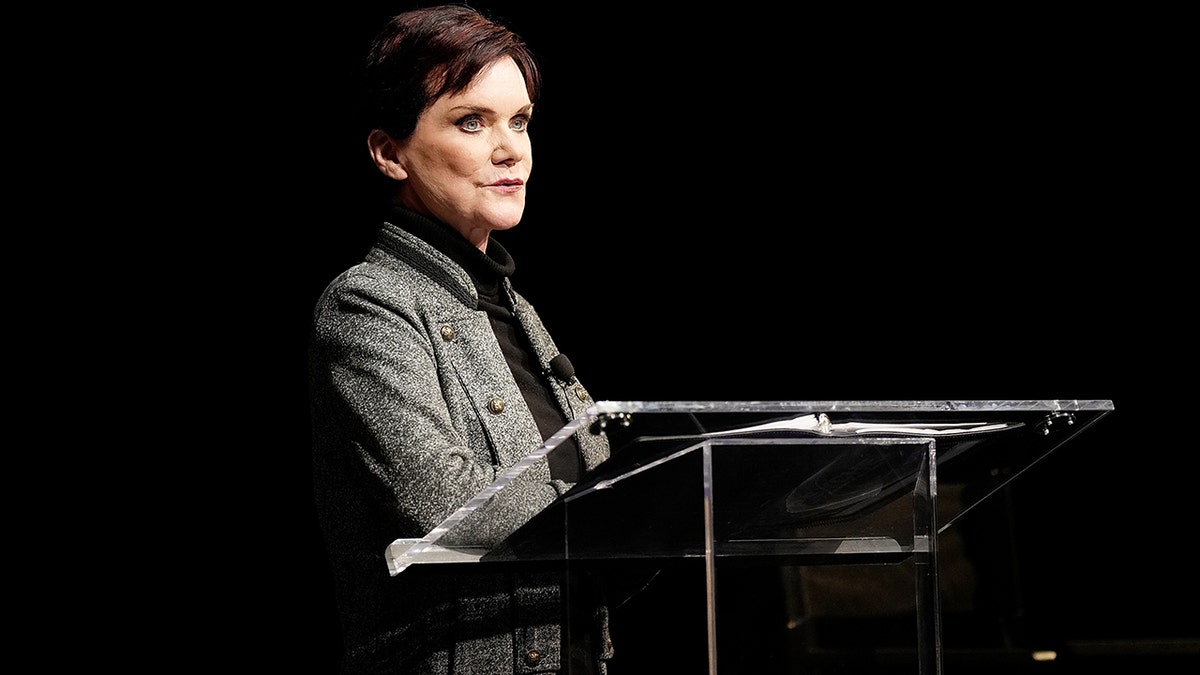
According to Candice DeLong, she was recruited by the FBI while serving as head nurse at the Institute of Psychiatry in Chicago-Northwestern University Hospital. (Ilya S. Savenok/Getty Images for Wondery)
DeLong admitted that she was disturbed by discovering Tucker’s tumultuous upbringing.
“I remember saying to my writers, ‘How was a kid supposed to grow up normal when the mother is buying, providing and sharing her drugs that she gets from money through sex with strangers? How is a kid — a girl, a teenage girl — supposed to deal with that and come out OK on the other side, meaning the other side of childhood?”
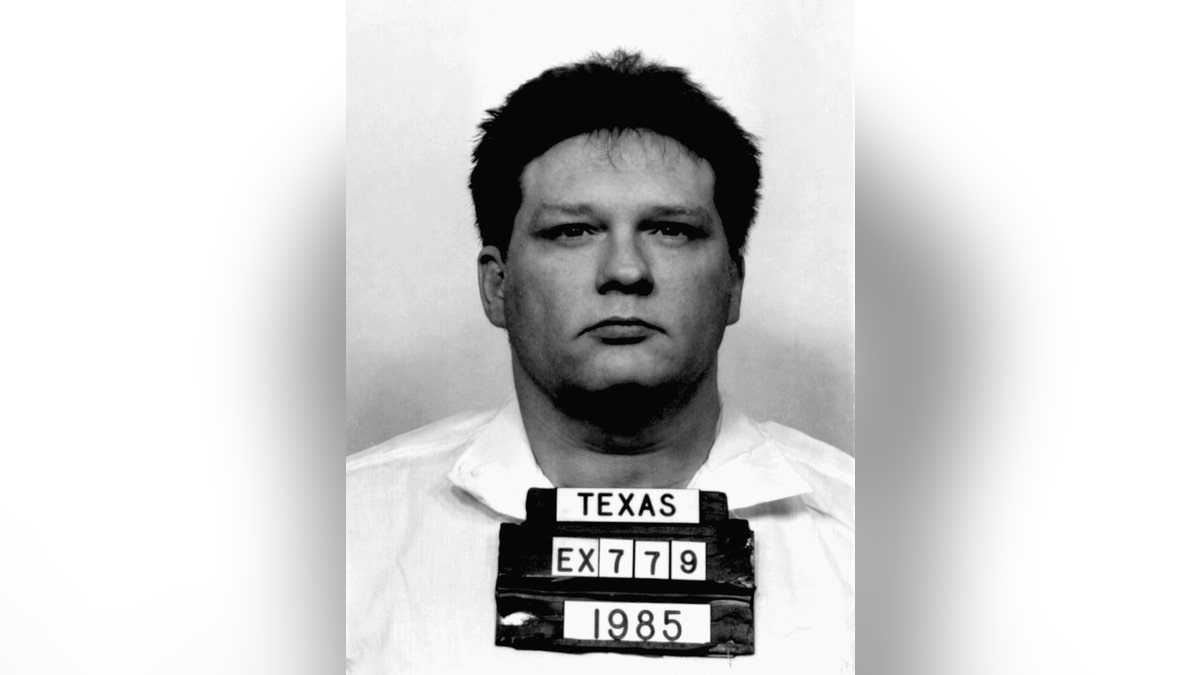
Daniel Ryan Garrett was arrested on June 15, 1983, the same day as Karla Faye Tucker. (F. Carter Smith/Sygma via Getty Images)
“Now we’re into adulthood,” DeLong continued. “Karla never stood a chance, a chance of having a normal life, in my opinion. She didn’t get what she needed, and she got a lot of bad stuff from someone who was supposed to take care of her.”
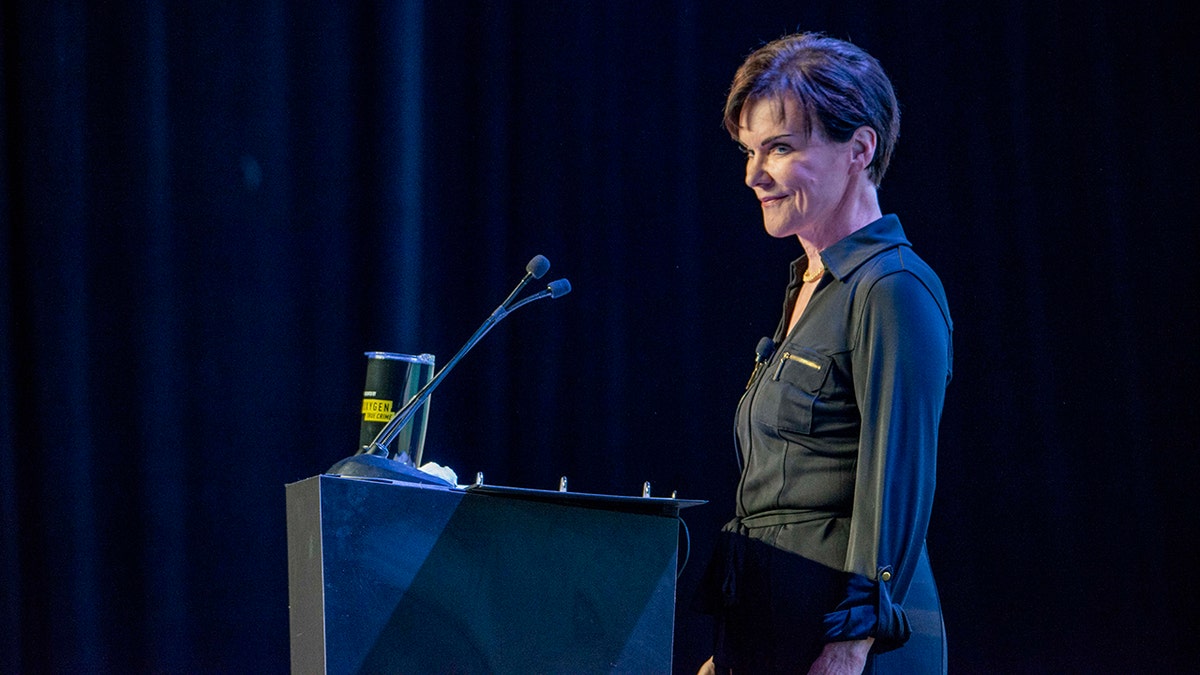
For 20 years, Candice DeLong was on the front lines of some of the FBI’s most high-profile cases, including the Chicago Tylenol murders. (Mollie Corbett)
Some experts have cautioned that while childhood trauma is a common factor in violent offenders, it does not directly lead to criminal behavior in every case.
Tucker’s defense attorney argued she was intoxicated during the crime, but she was found guilty of capital murder.
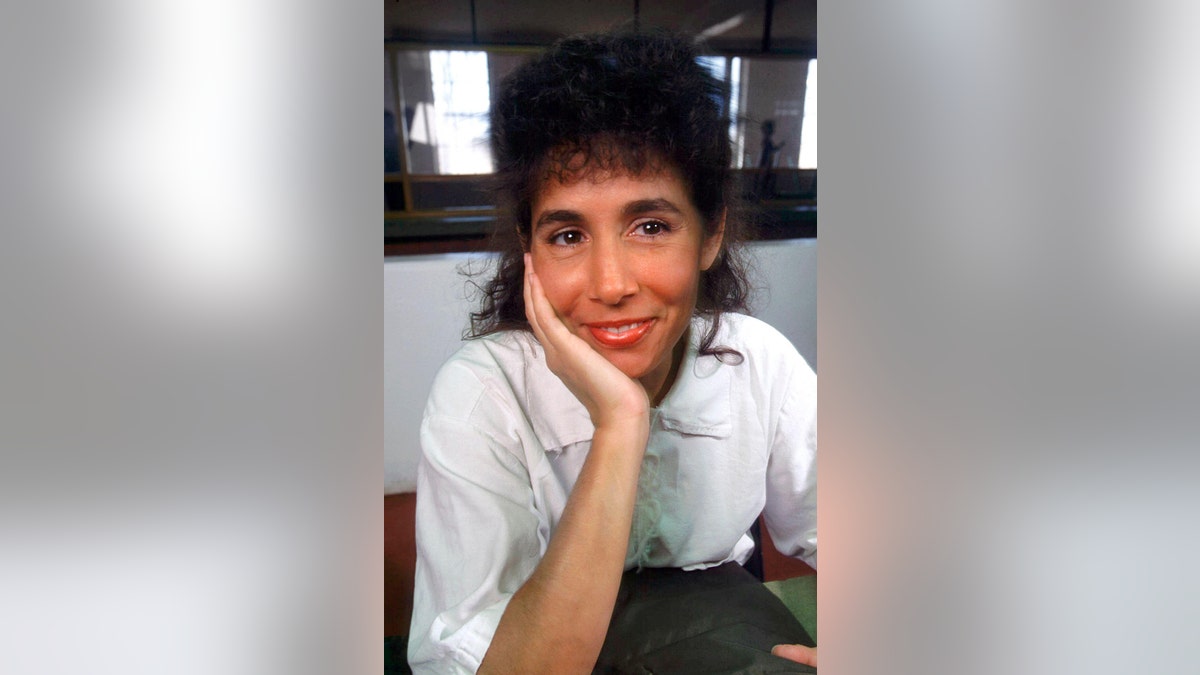
Karla Faye Tucker is seen here in December 1997. She was executed Feb. 3, 1998. (Bob Daemmrich/ALAMY)
After arriving at the Texas State Penitentiary in 1984, Tucker later identified herself as a born-again Christian. In death row interviews, she appeared soft-spoken as she pleaded for mercy.
SIGN UP TO GET THE TRUE CRIME NEWSLETTER
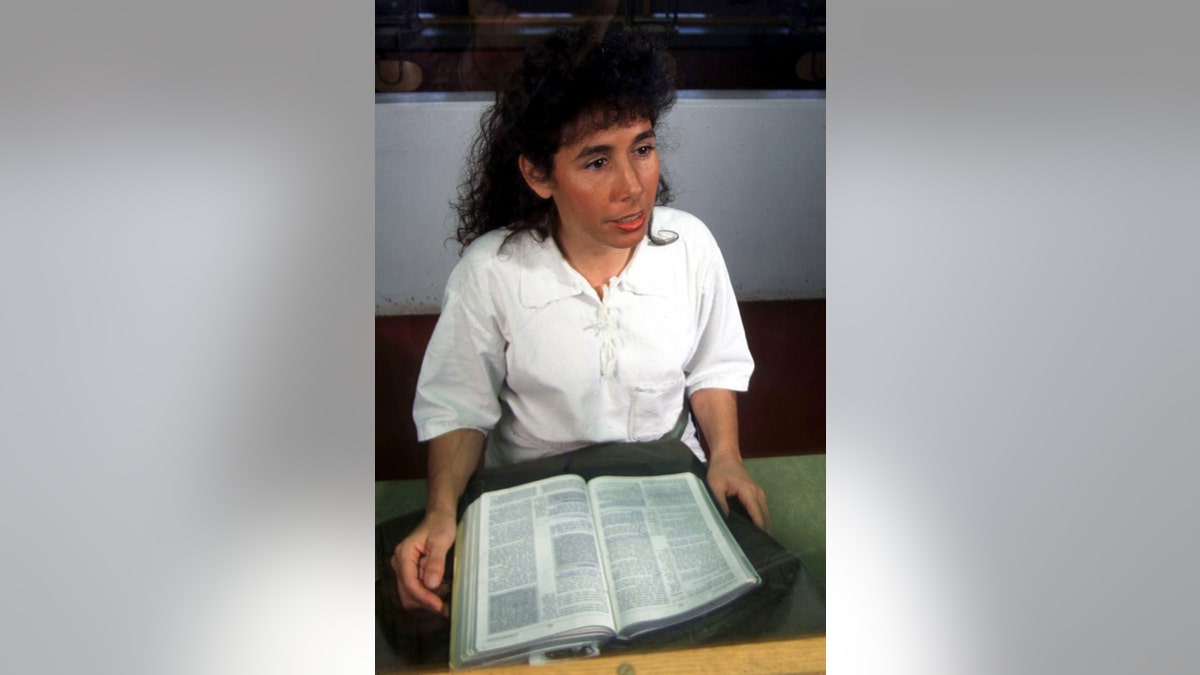
Condemned killer Karla Faye Tucker reads her Bible in the visiting room of the Mountainview Unit of the Texas Department of Corrections in Gatesville, just before Christmas 1997. (Bob Daemmrich/ALAMY)
DeLong admitted she has doubts.
“She found God, she found Jesus, so the thought among her supporters was ‘spare her,’” DeLong said. “The thing about finding God, though — I don’t think so. A lot of prisoners find God and become religious in prison, yes, but not as soon as the handcuffs go on. So it does make me question.”
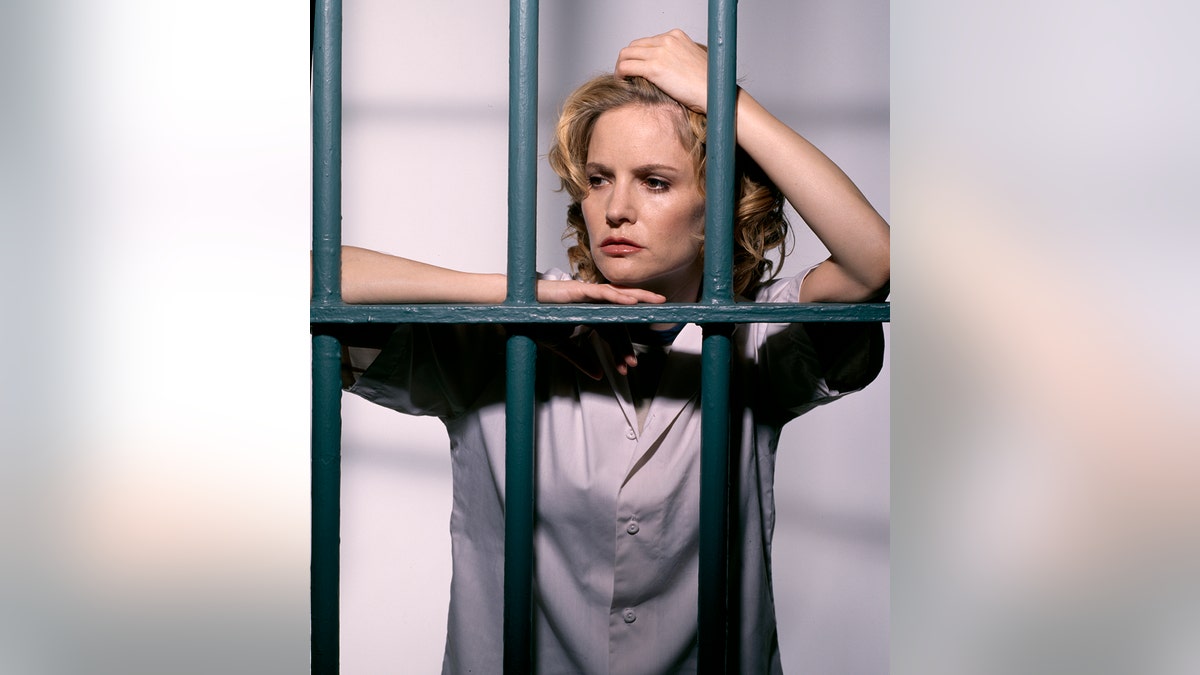
Jennifer Jason Leigh is seen here as Karla Faye Tucker in a CBS made-for-television movie that aired on March 3, 2002. (CBS via Getty Images)
“Most of the killers that we present on ‘Killer Psyche,’ many of them kill more than once,” she reflected. “We go into the psyche of the killer. We go way back to the day they were born, if we can get that information. And more often than not, there’s a very bad upbringing. Violence is inflicted on them. You can draw a line and say, ‘This childhood resulted in this person becoming a killer. It’s right there for everyone to see.'”
WATCH: CANDICE DELONG CALLS PLAYBOY PLAYMATE DOROTHY STRATTEN’S KILLER A PSYCHOPATH
“Regarding Karla, there’s no reason to believe, based on what she did, that there was any place in society that could be safe from her other than a jail cell or a prison cell,” DeLong continued. “If I had to roll the dice, I’d say if she had not been convicted and was released, or if she escaped, she would’ve been involved in sex, drugs and violence very quickly.”

Employees enter the Huntsville Unit, the prison that houses the chamber where inmates are put to death in Texas. (Paul K. Buck/AFP via Getty Images)
However, many supporters, including religious leaders and public figures, argued Tucker’s conversion was genuine, citing her behavior in prison as evidence of rehabilitation. The case also drew significant support for clemency, with advocates arguing she had been rehabilitated and no longer posed a threat.
DeLong addressed Tucker’s conversion on her podcast.
GET REAL-TIME UPDATES DIRECTLY ON THE TRUE CRIME HUB
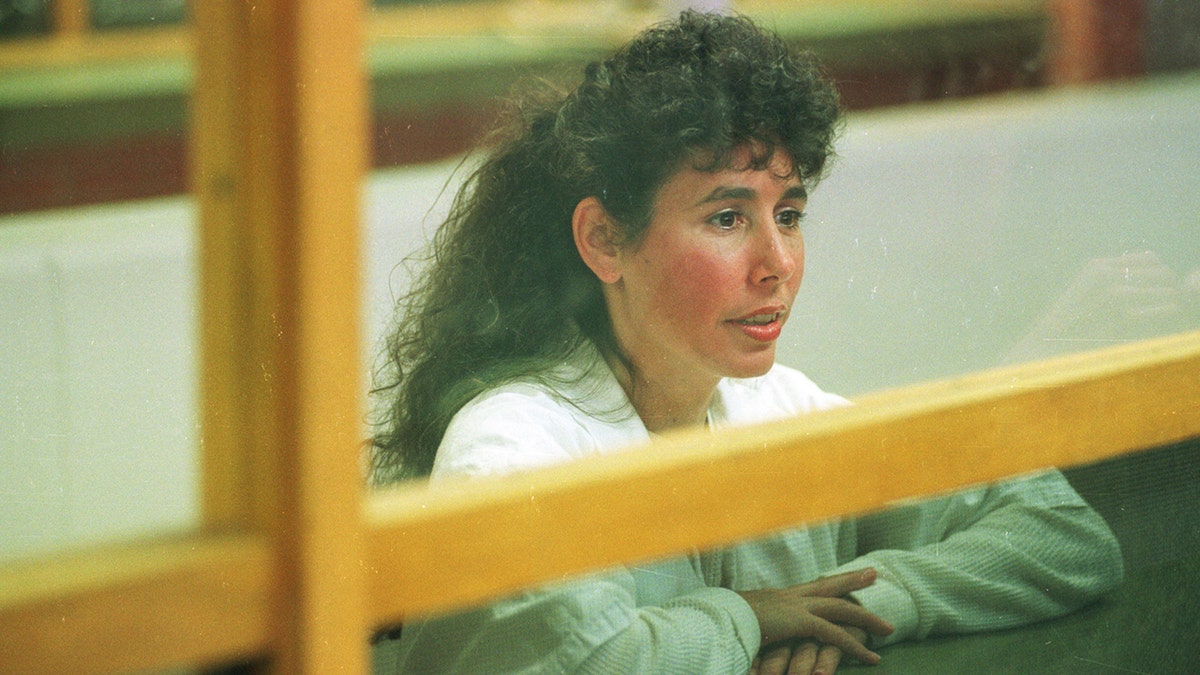
Karla Faye Tucker, seen here being interviewed, has been portrayed by publications abroad as “the sultan of serial killers,” “sweet woman of God” and “the feminist martyr on death row.” (Smiley N. Pool/Houston Chronicle via Getty Images)
“Prison is exactly where she belonged for obvious reasons,” she said on the podcast. “Karla needed to be contained, monitored, regimented, and above all, drug-free. Finding God helped her reconstruct her identity and separate her new self from her old murderous self. It helped her find stability after a life filled with instability and chaos.
“… There could be many reasons why Karla found God in prison. Many people do. We come across many killers who make the same claims. But with Karla, she eventually had masses of people across the country rooting for her.”
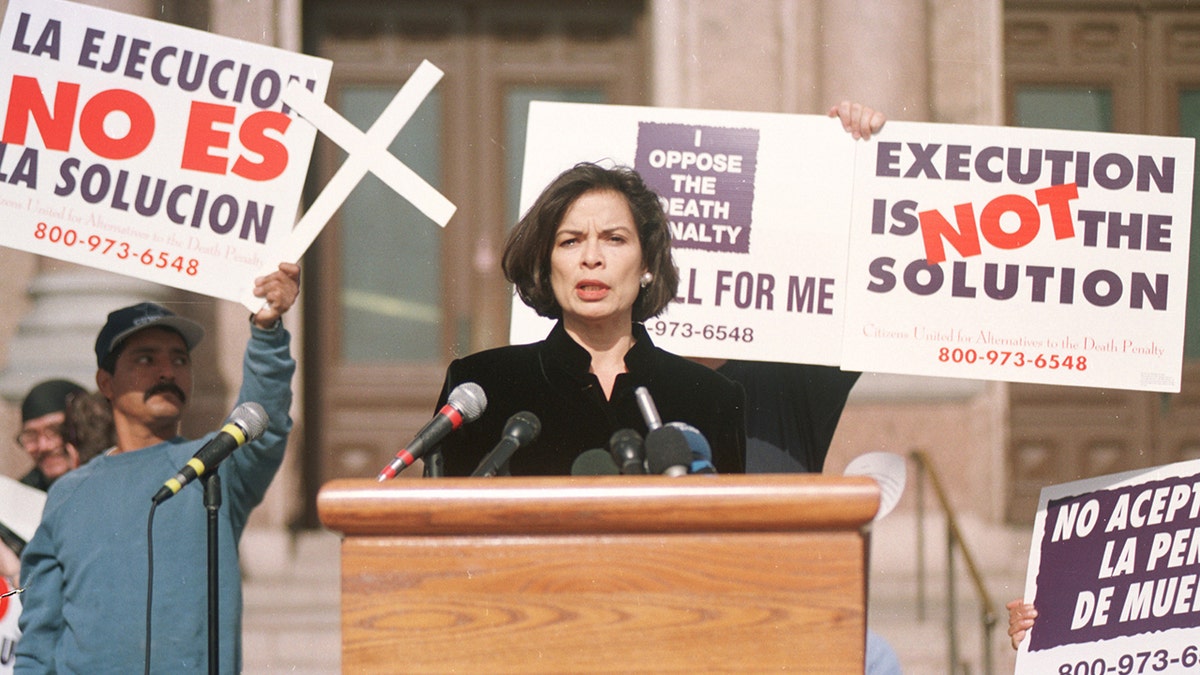
Bianca Jagger is seen talking to the media and execution opponents during a rally in Austin to abolish Texas’ death penalty and plead for the life of Karla Faye Tucker on Jan. 17, 1998. (Houston Chronicle/Getty Images)
“But as I see it, Karla Faye Tucker was everybody’s worst nightmare,” she continued. “She was a hedonist who lived a life of drugs, sex, rock ‘n’ roll and, above all, violence.
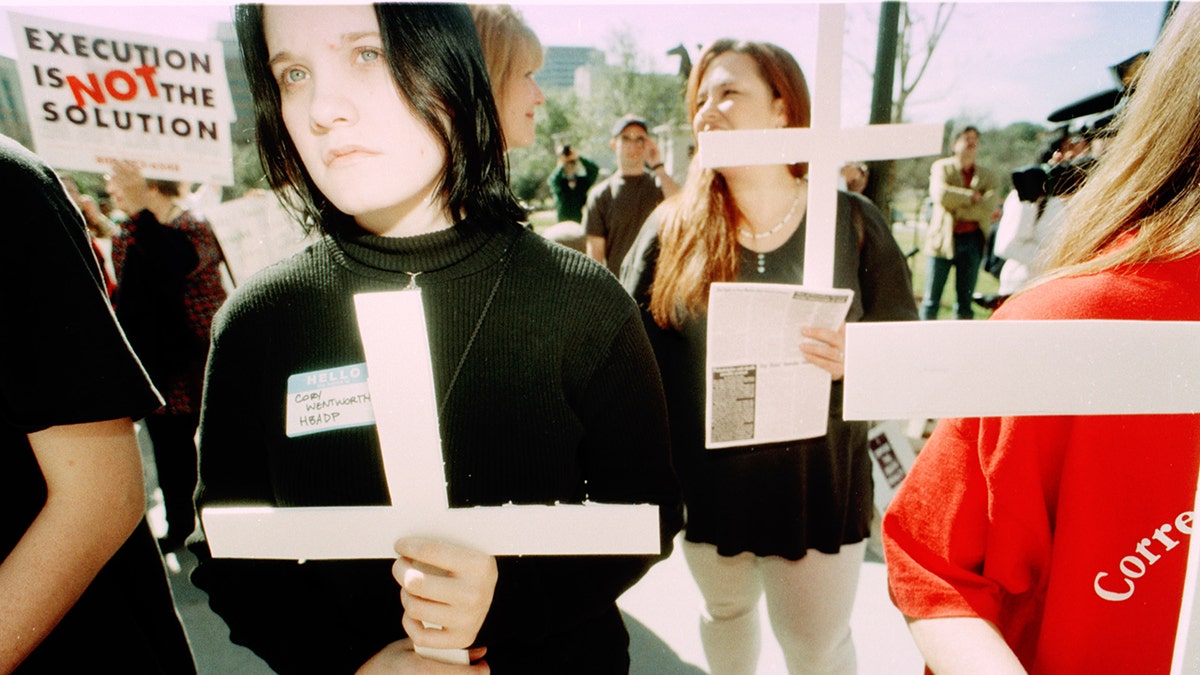
Corey Wentworth of Austin attends a rally on the steps of the state Capitol to abolish Texas’ death penalty and plead for the life of Karla Faye Tucker. (Karen Warren/Houston Chronicle via Getty Images)
“She was a woman who sexually enjoyed killing another person, and she was proud of it. Juries are afraid of people like Karla. They not only want them contained, but they want them gone forever from the face of this Earth and from our collective consciousness.”
Tucker’s case drew appeals from numerous religious groups. That didn’t stop her execution. Garrett, who was also sentenced to death, died in prison in 1993 from complications related to hepatitis.
CLICK HERE TO DOWNLOAD THE FOX NEWS APP
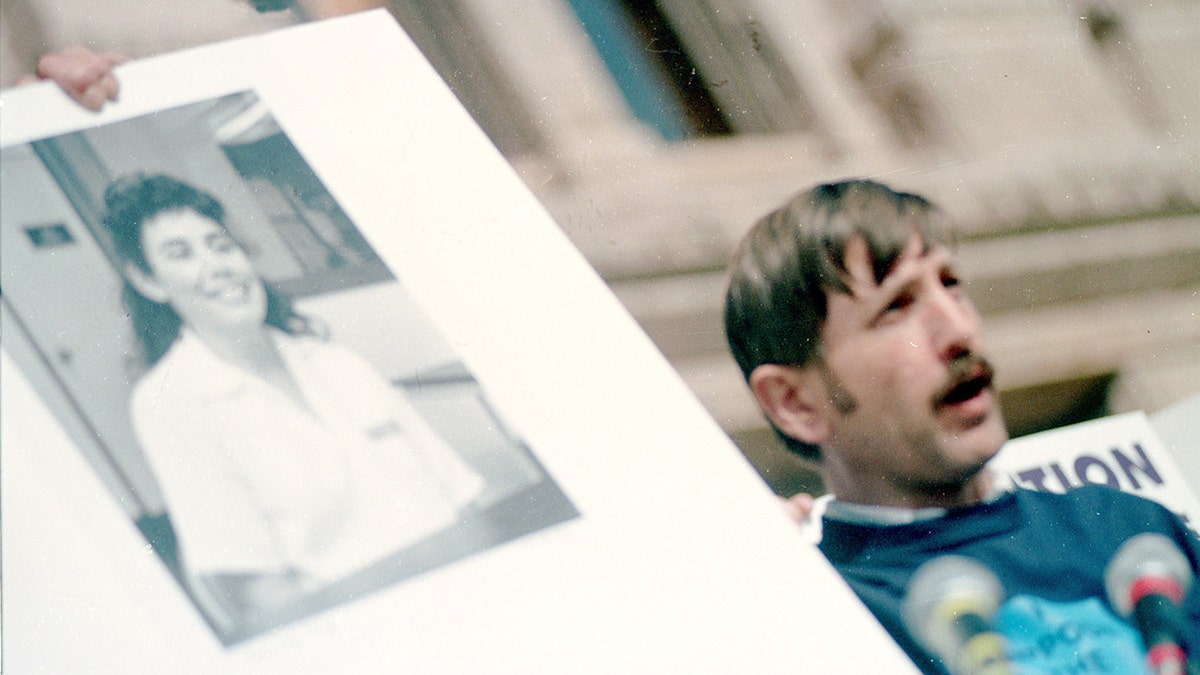
Ronald Carlson, brother of victim Deborah Thornton, believed Karla Faye Tucker’s life should have been spared. (Karen Warren/Houston Chronicle via Getty Images)
Tucker was the first woman executed in Texas since the Civil War. Her case remains central to debates over capital punishment and rehabilitation.
Discover more from stock updates now
Subscribe to get the latest posts sent to your email.