Iran: UN human rights chief ‘deeply disturbed’ by protest-related violence
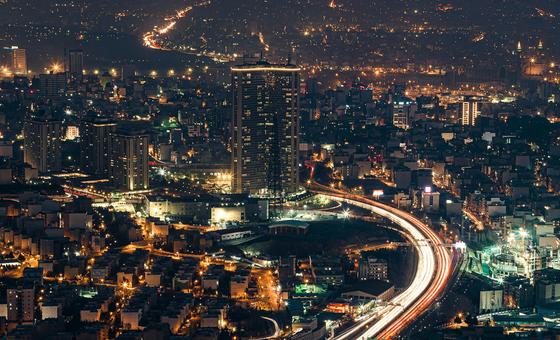
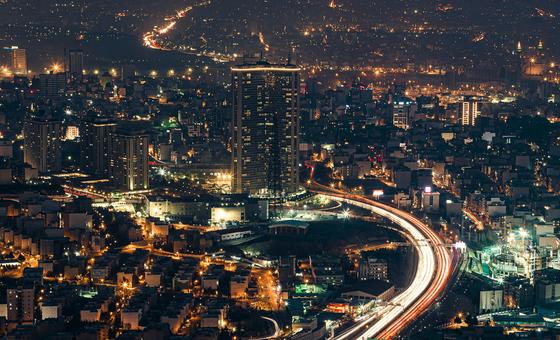
People took to the streets of the capital, Tehran, in the final days of December 2025 fueled by the country’s cost-of-living crisis. Rights groups have reported that nearly 50 have been killed and hundreds arrested.
To prevent further escalation, Mr. Türk said it is essential to address underlying grievances through “inclusive and meaningful dialogue.”

Information blackout
Multiple news outlets have reported nationwide internet and communication shutdowns in Iran as of Thursday night.
Mr. Türk said such action undermines freedom of expression and access to information. There has been a near total news blackout on Friday.
It also adversely impacts the work of those documenting human rights violations and access to essential and emergency services, he added.
Responding to a question during Friday’s noon briefing, the UN Spokesperson Stéphane Dujarric said UN staff on the ground are “safe and accounted for.”
How is the right to protest enshrined in international law?
In 1948, when the Universal Declaration of Human Rights (UDHR) was adopted, the international community agreed that “everyone has the right to freedom of peaceful assembly and association,” as outlined in Article 20 of the Declaration.
The International Covenant on Civil and Political Rights also recognises the right to peacefully assemble in Article 21. A clarifying document, General Comment No. 37, published in 2020 by the UN Human Rights Committee, provides a more elaborate interpretation.
Both Mr. Türk and Mr. Dujarric reiterated on Friday that demonstrating peacefully is a fundamental human right.
Discover more from stock updates now
Subscribe to get the latest posts sent to your email.