


Iran partially closes Strait of Hormuz amid U.S. nuclear talks
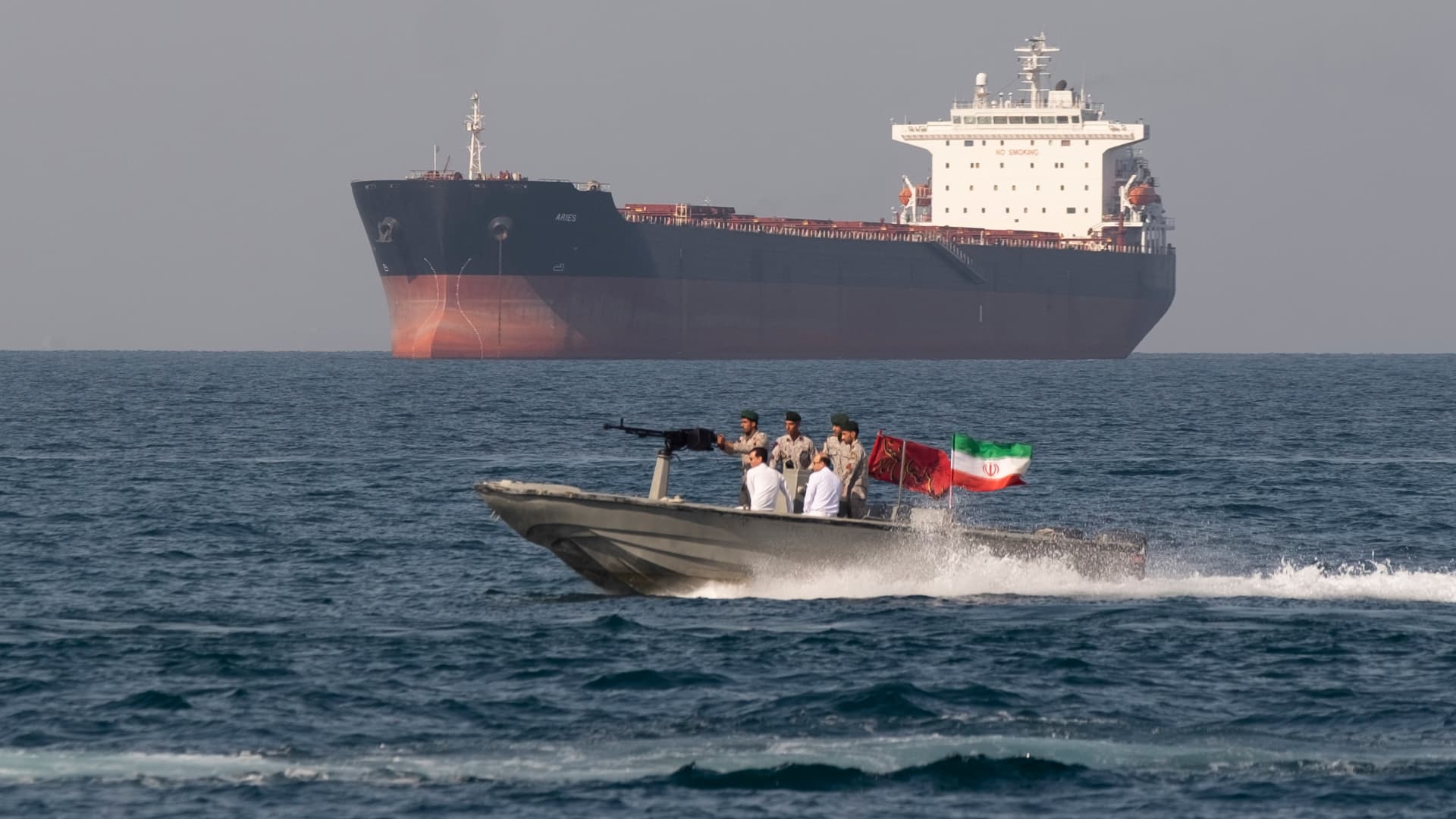
Morteza Nikoubazl | Nurphoto | Getty Images

It comes as the U.S. and Iran hold talks in the Swiss city of Geneva, seeking to resolve an ongoing dispute over Tehran’s nuclear program.
It marks the first time Iran has shut parts of the Strait of Hormuz, a major international waterway that links crude producers in the Middle East with key markets across the globe, since U.S. President Donald Trump threatened Tehran with military action in January.
Located in the Gulf between Oman and Iran, the strait is recognized as one of the world’s most important oil chokepoints.
About 13 million barrels per day of crude oil transited the Strait of Hormuz in 2025, accounting for roughly 31% of global seaborne crude flows, data provided by market intelligence firm Kpler showed.
Tuesday’s temporary closure of the waterway was aimed at ensuring shipping safety as part of the Revolutionary Guards’ “Smart Control of the Strait of Hormuz” drill. The exercise is designed to improve Iran’s operational readiness and bolster its deterrence, among other objectives.
Energy market participants are closely watching the outcome of the U.S.-Iran talks, particularly as both sides have increased their military presence in the region.
Oil prices were last seen trading slightly higher on Tuesday. International benchmark Brent crude futures with April delivery rose 0.1% to $68.71 a barrel, while U.S. West Texas Intermediate futures with March delivery stood 1.4% higher at $63.82.
— CNBC’s Lee Ying Shan contributed to this report.
Discover more from stock updates now
Subscribe to get the latest posts sent to your email.