


Iran-Israel war poses near-term challenges to Indian economy: RBI MPC member

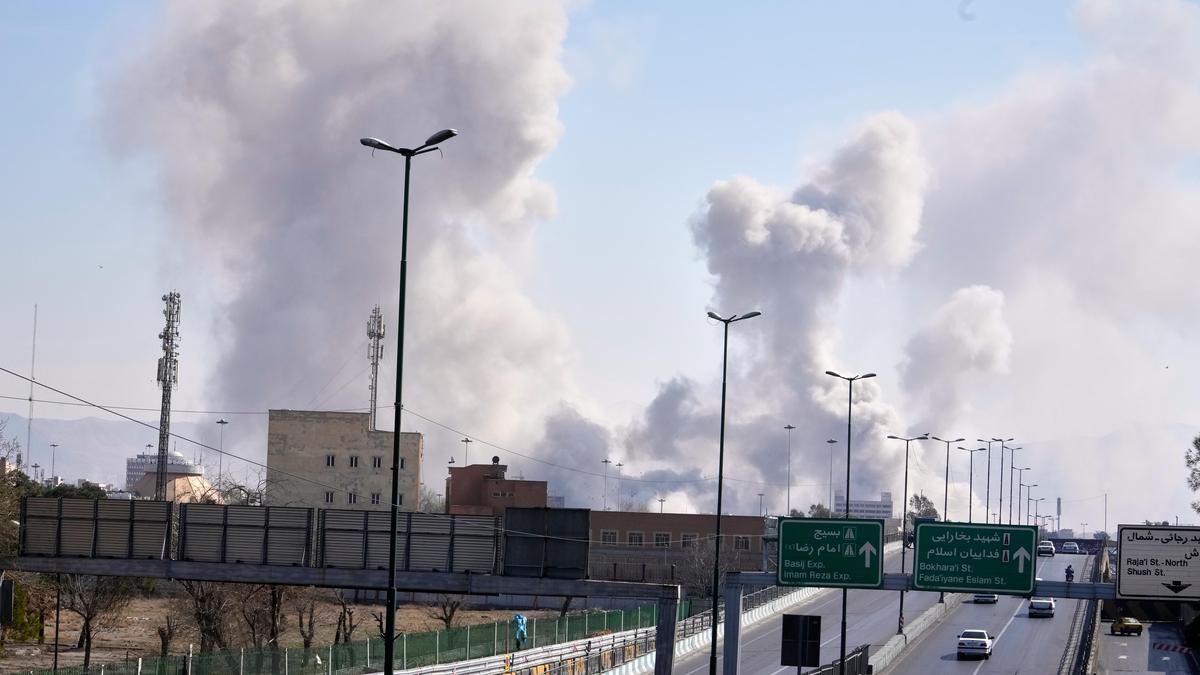
Plumes of smoke rise as strikes hit the city during the U.S.‚ Israeli military campaign in Tehran, Iran, on March 5, 2026.
| Photo Credit: AP
Read |Iran-Israel war LIVE: India rejects claims of U.S. using its ports against Iran
“Going forward, there is a need for fiscal and monetary policies to work in a coordinated manner to push Gross Domestic Product (GDP) growth to a higher trajectory,” Nagesh Kumar has said.

“In the present scenario, a hike in oil prices, exports disruptions and impact on remittances have been identified as the immediate challenges on the growth front,” he said.
“The breakout of the Middle East [West Asia] conflict poses some immediate-term challenges for the Indian economy by raising oil prices, disrupting exports destined to the region and the potential loss of remittances, besides threatening security of the Indian diaspora in the region,” Mr. Kumar told PTI in an e-mailed interview.

In the immediate short run, he noted, the conflict is escalating with U.S.-Israel strikes and oil prices are likely to harden. “Hopefully, the crisis will be resolved soon, given the high stakes that the world has in the region,” he said. Mr. Kumar added that diversification of oil sourcing could help mitigate risks.
“The opening up of Venezuelan oil supplies for India is also likely to be helpful, as it diversifies the options,” he said, adding that in the event the West Asia crisis ends quickly and sanctions on Iran are lifted, India may gain from cheaper oil supplies.

Despite geopolitical tensions, Mr. Kumar maintained that the inflation outlook remains benign. Headline CPI stood at 1.3% in December 2025 and is projected to be around 2.5% in FY2026, even under the new data series. “The inflation outlook is not showing any concerns of overheating,” he said.
“The upshot of these trends, namely brightening economic growth outlook amid a continued benign inflationary trend, provides an opportunity for India to stay in the ‘goldilocks’ zone for longer, except for the challenges posed by the conflicts in the immediate-term,” Mr. Kumar said.
Iran-Israel war: Who are the Kurds, and why is U.S. likely align with groups based in Iraq?
He emphasised that India has a real opportunity to move to a higher trajectory of growth from around 7% to around 8%, underpinned by an accelerating manufacturing sector alongside service sector dynamism.
“Going forward, fiscal and monetary policies should work in a coordinated manner to support the transition of the economy to a higher GDP growth trajectory. It is this higher growth trajectory underpinned by a robust manufacturing sector that will be needed for the creation of adequate decent job opportunities and durable prosperity,” he said.
Published – March 05, 2026 01:44 pm IST
Discover more from stock updates now
Subscribe to get the latest posts sent to your email.