


India’s urban story one of unfinished promise: Economic Survey

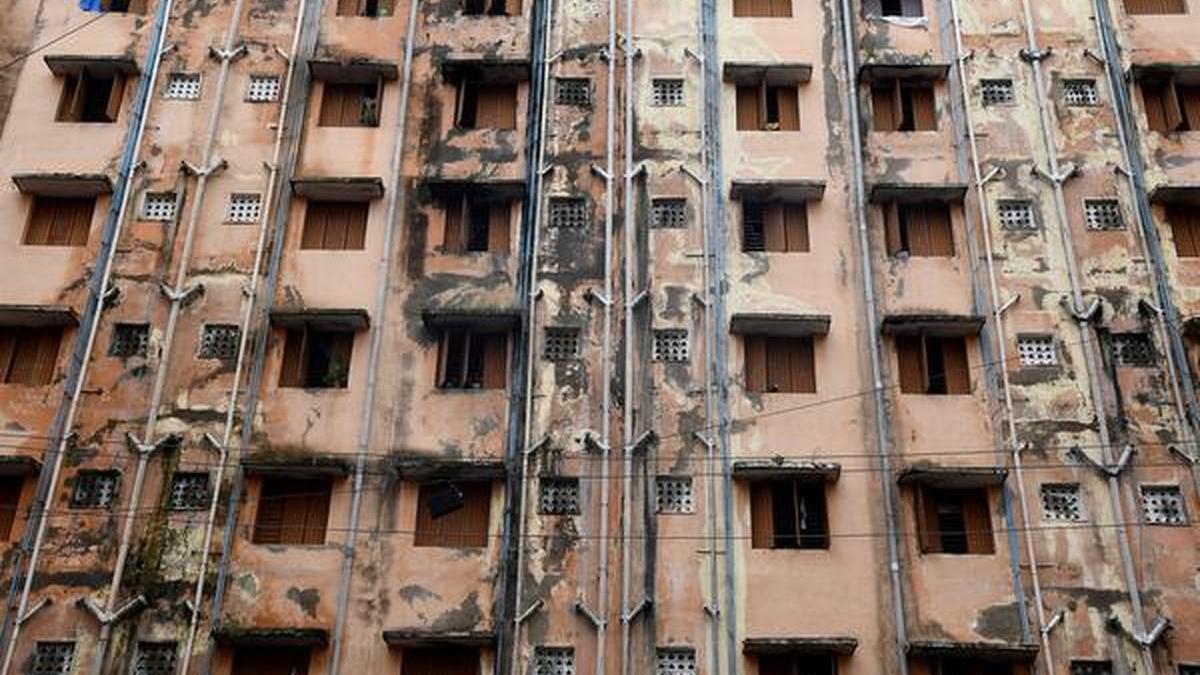
Image for the purpose of representation only.
| Photo Credit: File
The pre-budget document noted that India’s urban story was neither one of decline nor adequacy, but of unfinished promise, and said that many urban pressures stem from persistent supply-side constraints in land, housing, and mobility.

Asserting that many urban pressures arise from persistent supply-side constraints in land, housing and mobility, it said, “Restricted density, unclear titles and limited land recycling constrain affordable housing, while transport systems remain overly reliant on private vehicles.”
It observed that while core services such as sanitation, waste, and water services have expanded markedly, these must now evolve from expansion to reliability, circularity, and efficiency.
“However, beneath these sectoral stresses lies a deeper institutional issue: fragmented metropolitan governance and limited fiscal autonomy for cities to plan, finance and deliver at scale,” it said.
Apart from infrastructure, the Survey said there was a need to improve the intangible foundations of urban life, such as civic norms, shared responsibility and respect for public spaces.
It pointed out that the quality of the urban experience depends as much on collective behaviour as on budgets and bridges. “Strengthening civic consciousness, alongside better institutions, is essential to creating cities that feel not only efficient but also welcoming.”
According to the Survey, in advanced and emerging economies alike, a small number of metropolitan regions function as nodes in global production networks, financial systems, logistics chains and knowledge ecosystems. However, despite India’s current economic scale, its cities struggle to perform this role at the level of established global cities such as New York City, London, Shanghai or Singapore.
“Across all these themes runs a common optimism: India’s cities can work better for their citizens. If planning, finance and governance align around people-centric outcomes, India’s cities can move from managing growth to truly benefiting from it, turning urbanisation into a visible source of opportunity, well-being and everyday ease for citizens,” it said.
Published – January 29, 2026 09:22 pm IST
Discover more from stock updates now
Subscribe to get the latest posts sent to your email.