


How renting designer wear is the smart wedding choice in India


Rama Duwaji (right) at the swearing in ceremony of Zohran Mamdani at the former City Hall subway station in New York City. She is sporting a rented vintage Balenciaga coat and borrowed boots by Miista
In India too, famously home to the big, fat, extravagant Bollywood weddings, brides and guests are discovering the advantages of rented wardrobes. After all, if the iconic Sabyasachi bridal lehenga costs you upwards of ₹4 lakh, renting it is just ₹30,000-₹40,000. Which makes better financial sense for a young couple, especially since many of these outfits are rarely worn after the wedding, if at all.
Three years ago, in the brief period the COVID-19 lockdown was lifted, Delhi-based Anaisha Singhvee received six wedding invites, which she realised meant readying over 18 outfits. “I kept thinking about what I was going to do about it as the average cost of a wedding guest outfit that matched my style was about ₹20,000,” says the 29-year-old. “I spent close to ₹3 lakh on all the outfits for these weddings, which were spread across a few months.”
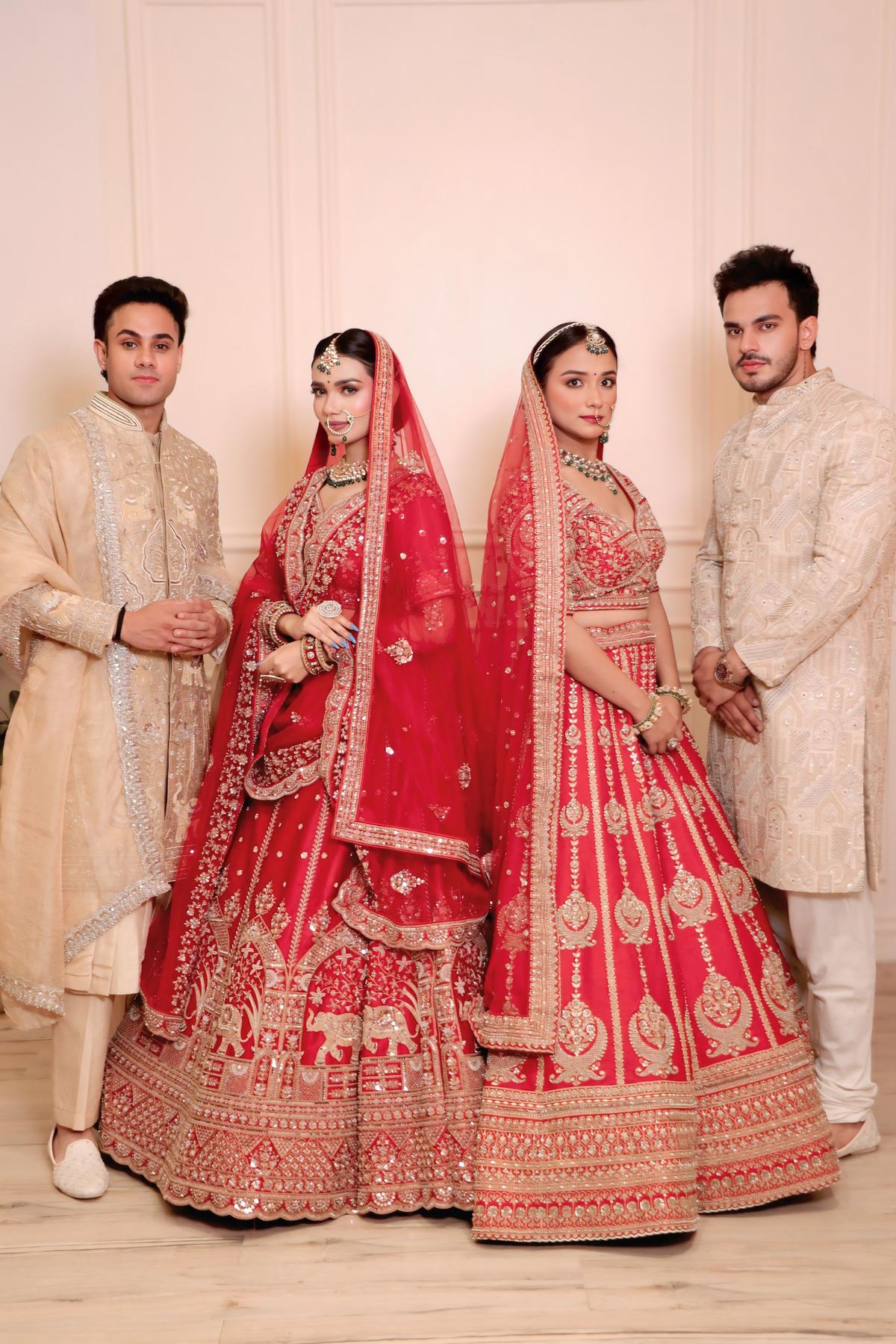
Wedding apparel at Flyrobe
| Photo Credit:
Special Arrangement
While researching fashion rentals, Anaisha learnt that “India doesn’t have quality premium rentals for designer Indian couture” and that was the seed for Kuro, which she launched in 2021. “A friend, who was a retailer in Ludhiana, helped with our initial inventory and we started off as an Instagram page. We later launched the website,” she says of her fashion rental that now has retail outposts in Delhi and Hyderabad, and she sees 200+ rental orders a month in peak wedding season.
At Kuro, Anaisha says one can rent apparel by Amit Aggarwal, Seema Gujral, Harpreet Narula for 1/10th the price, as well as purchase pre-owned designer outfits at up to 60% off. They also encourage customers to cash in on their closets. “We started off as a fashion rental platform but in 2024 we launched our pre-owned couture vertical,” she says, adding that their most popular category is rental and pre-owned bridal wear.
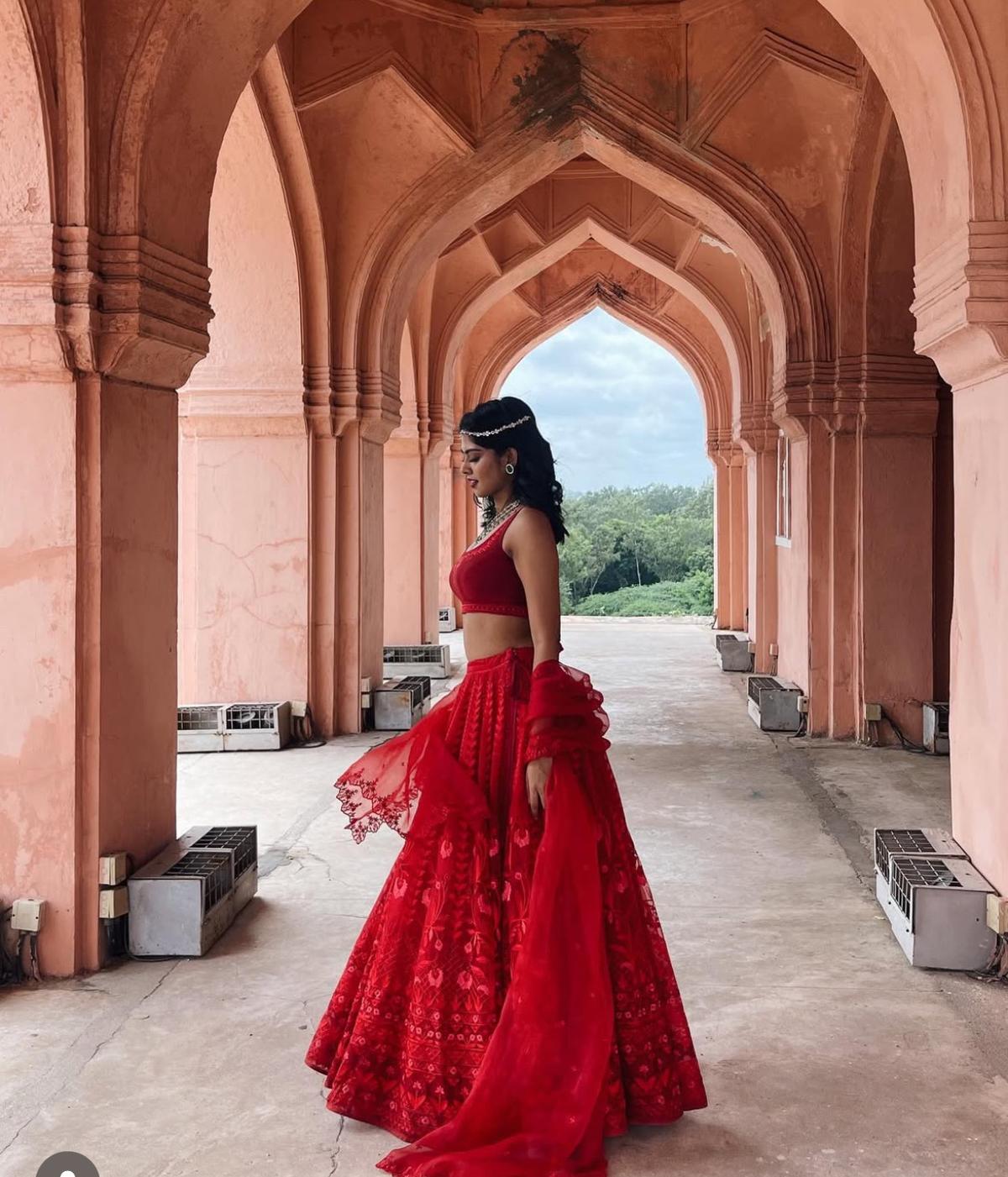
A rented Anita Dongre lehenga from Kuro
| Photo Credit:
Special Arrangement

Meanwhile in Bengaluru, Aanchal Saini launched Flyrobe a decade ago when the concept was pretty much unheard of. “Heavy investments were made in branding and marketing to introduce this new category and over ₹100 crore has gone into building Flyrobe so far,” says the CEO-director of the rental fashion service that offers wedding apparel for brides, grooms, and guests. “You can wear your favourite designer — Sabyasachi, Amit Aggarwal, Tarun Tahiliani, Gaurav Gupta — at roughly 15% of the MRP.” While Flyrobe began with renting women’s western wear online through the app, the start-up grew as over “90% of those early western-wear users eventually moved to renting ethnic wear.” They have a retail store in the city as well.
Aanchal says urban consumers now see renting as a smart choice, not second-best. “The category has expanded to ethnic, bridal, and luxury wear, with both online and offline touchpoints scaling quickly. Demand spikes during wedding seasons and festivals,” she says, adding that the industry is now entering the next decade with value-focussed, sustainability-aware Gen Z brides.
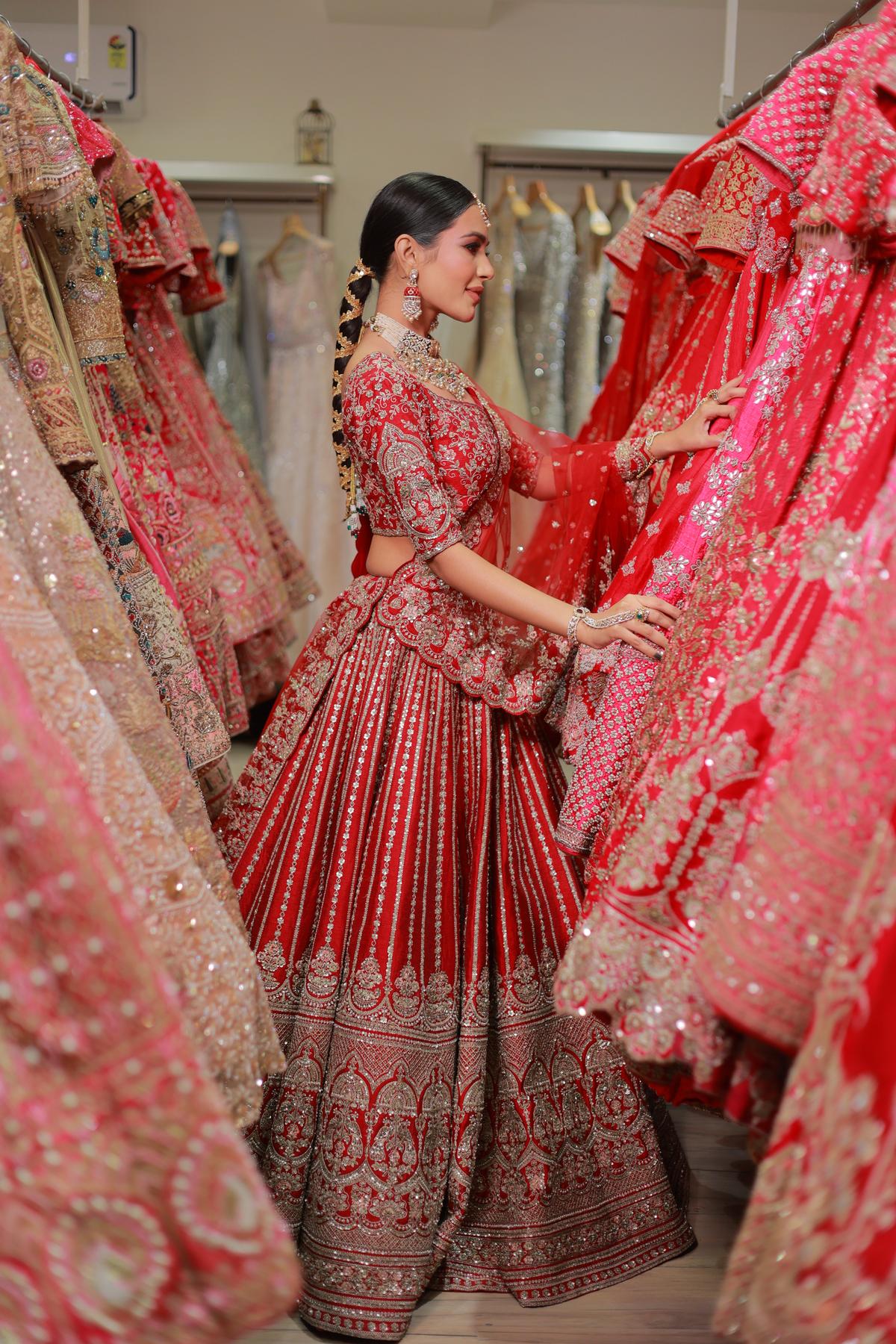
Bridal wear at Flyrobe
| Photo Credit:
Special Arrangement
Young brides driving growth
Anaisha says young brides are leading the game with people in the 24-38 age bracket from Delhi NCR, Hyderabad, Mumbai, Indore and Ahmedabad driving maximum demand. “Brides end up spending anywhere between ₹4 to ₹30 lakh on wedding outfits, which are often locked away in storage after the wedding. Younger brides are inclined towards sustainable and mindful shopping. We have a 30% repeat rate in the wedding guest rental category,” she says.

A Sabyasachi lehenga at Flyrobe
| Photo Credit:
Special Arrangement
These factors are also the driving force behind Laveena Laitonjam’s Rent an Attire, a brand she launched in 2015 in Pune. “It started from a personal place. I found myself buying expensive outfits for weddings and special occasions, wearing them once, and then leaving them unused in my wardrobe. At the same time, I was becoming more aware of how much textile waste this creates.” She began by offering curated occasion wear and soon grew into a multi-city fashion rental platform that offers designer occasion wear. “Most of our demand comes from wedding-related requirements but over time, we’ve also seen strong interest from make-up artists, stylists, and event professionals, who rent outfits to build their digital portfolios and create styled content for shoots,” adds Laveena, whose inventory has grown from 300 outfits to 1,500.
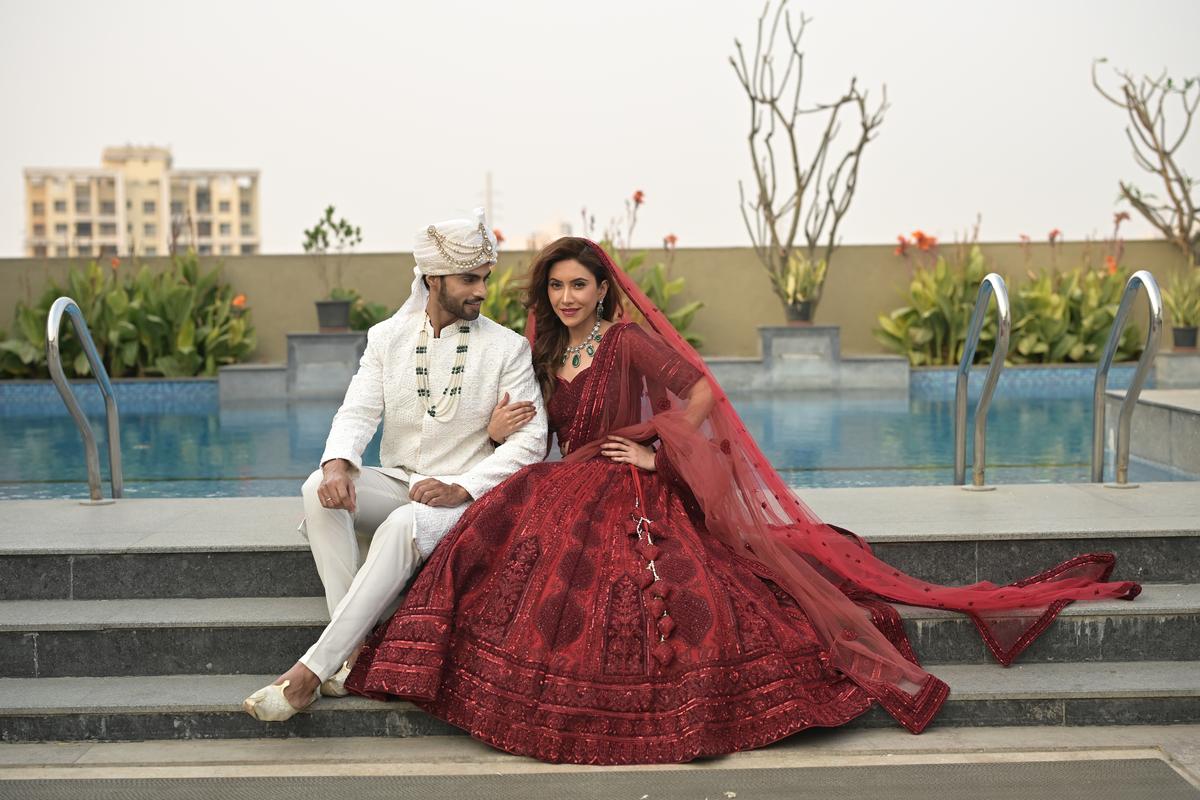
Bridal wear rented from Rent An Attire
| Photo Credit:
Special Arrangement
A conscious choice
“People are no longer renting just to save money; many are consciously choosing rentals to reduce waste and make more responsible fashion choices. This awareness is especially strong among younger clients,” explains Laveena, adding that there is now demand from tier-II cities such as Nagpur, Jaipur, Dehradun, Lucknow, Indore, and Nashik. Down south, several rental services are operating in Chennai (Rent to Ramp, Kosha, etc.) and smaller cities like Coimbatore and Madurai.
Social media has also played a big role in the segment’s growth. “With reels and pictures being shared widely on platforms like Instagram, people don’t want to repeat outfits they’ve already posted. Renting allows them to experiment with different looks for different occasions,” she adds.
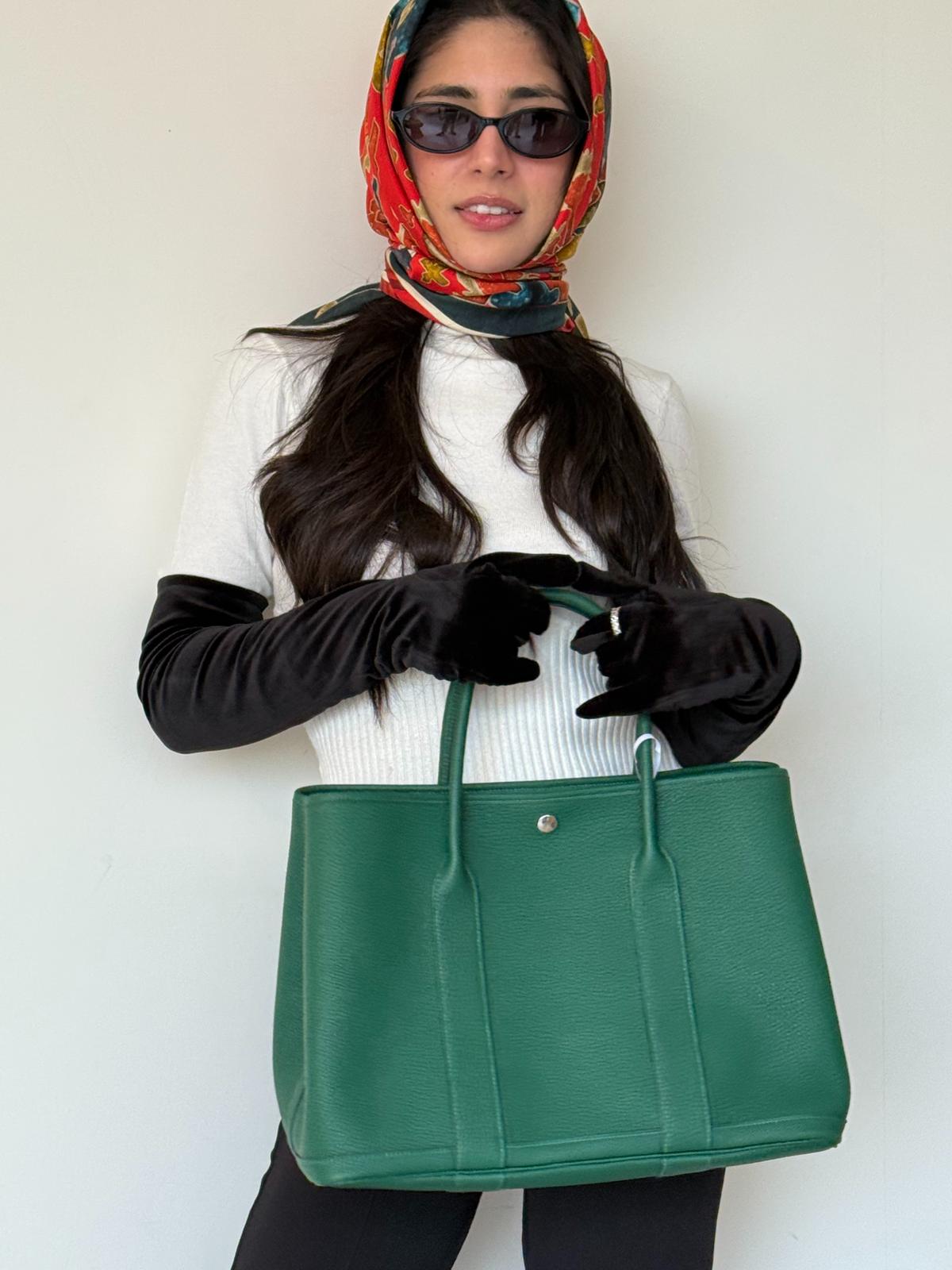
Swetha Poddar, CEO, CandidMen says the increase in market players has created more demand. She launched the brand in 2017 with collections for women and men, but pivoted to menswear within six months of the launch. “Women are emotional buyers and men are more logical buyers. While we launched as an online model, we realised customers wanted trials. Initially, I created three trial rooms in my back office and today we have six stores across Bengaluru, Hyderabad and Delhi.” On rent are suits, tuxedos, sherwanis, Indo-western outfits, and more.
Scaling up
Aanchal says the biggest challenge has always been changing consumer mindset and next scaling a rental business. “Every outfit must be delivered perfectly, returned, repaired, cleaned, and re-circulated. Inventory management in rentals is far more demanding than retail. After years of educating the market and refining operations, the shift is clear and consumers now understand the value.”

Rama Duwali wearing a faux-fir trimmed coat by Renaissance Rennaisance at Zohran Mamdani’s inauguration
| Photo Credit:
Spencer Platt
At Rent an Attire, Laveena says a lot of time goes into reassuring customers that rental fashion can be “hygienic, well-maintained, and premium”. Another challenge comes from the rise of fast fashion. “Low-cost, low-quality occasion wear has made people more comfortable with disposable clothing. We have to constantly educate customers on the long-term value of renting well-made outfits,” says the founder who also offers an annual membership programme (starting at ₹999). Laveena is now looking at adding new categories of designer handbags and accessories on the platform, in addition to launching an AI stylist.
Quality checks
Mumbai-based Khyati Gupta started ‘sisterhoodofrerack’ as an experimental community on Instagram and eventually launched ReRack in 2023 “to create awareness about the problematic supply chain and how it symbiotically fuels consumption”. For her, bringing in a behavioural change among consumers and also educating them about the process has been key.
She says, “users have preset notions about the rental process being long and tiring where upfront deposits are required or they need to take care of returns or damages. We have made this process simple and users just need to order from our website and choose the duration of the rental sans a deposit.” She offers contemporary fashion, demi-fine jewellery sourced from homegrown brands like Lola by Suman, Essgee, Button Masala, Arthmod, Lafaani, and Arrasa. “We provide home deliveries for pick and drop, dry cleaning services, and also cover minor damages and stains,” adds Khyati, 34.
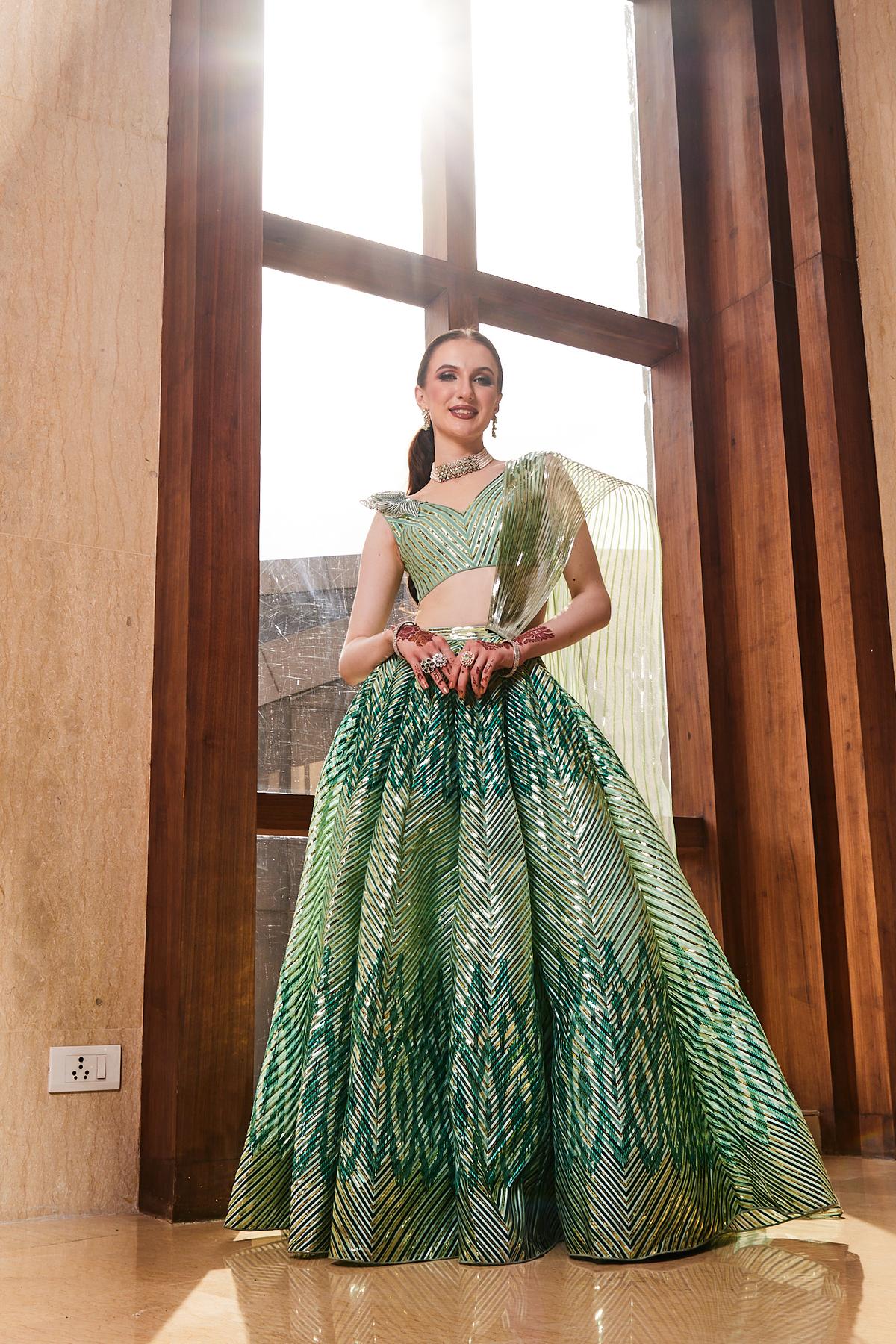
A rented Amit Aggarwal lehenga from Kuro
| Photo Credit:
Special Arrangement
Swetha charges clients a deposit (same value of the rental) but does not charge for minor stains, lose stitches etc. “We take care of such issues that can be repaired from our end. But in the case of a permanent stain, burnt or torn garment that cannot be fixed, we do not return the deposit. These cases are rare, maybe 1 in 1,000 orders.”
Given that most garments such rental platforms deal with are designer, utmost care is taken when handing them over. At CandidMen, Swetha ensures all outfits are dry cleaned and steam ironed before delivery. At ReRack, Khyati too has a pre-delivery sanitation process where the garment is steam ironed, UV sanitised and cleaned. “All garments are dispatched in reusable compostable packaging, covered in breathable jute dustbags to ensure they arrive fresh.
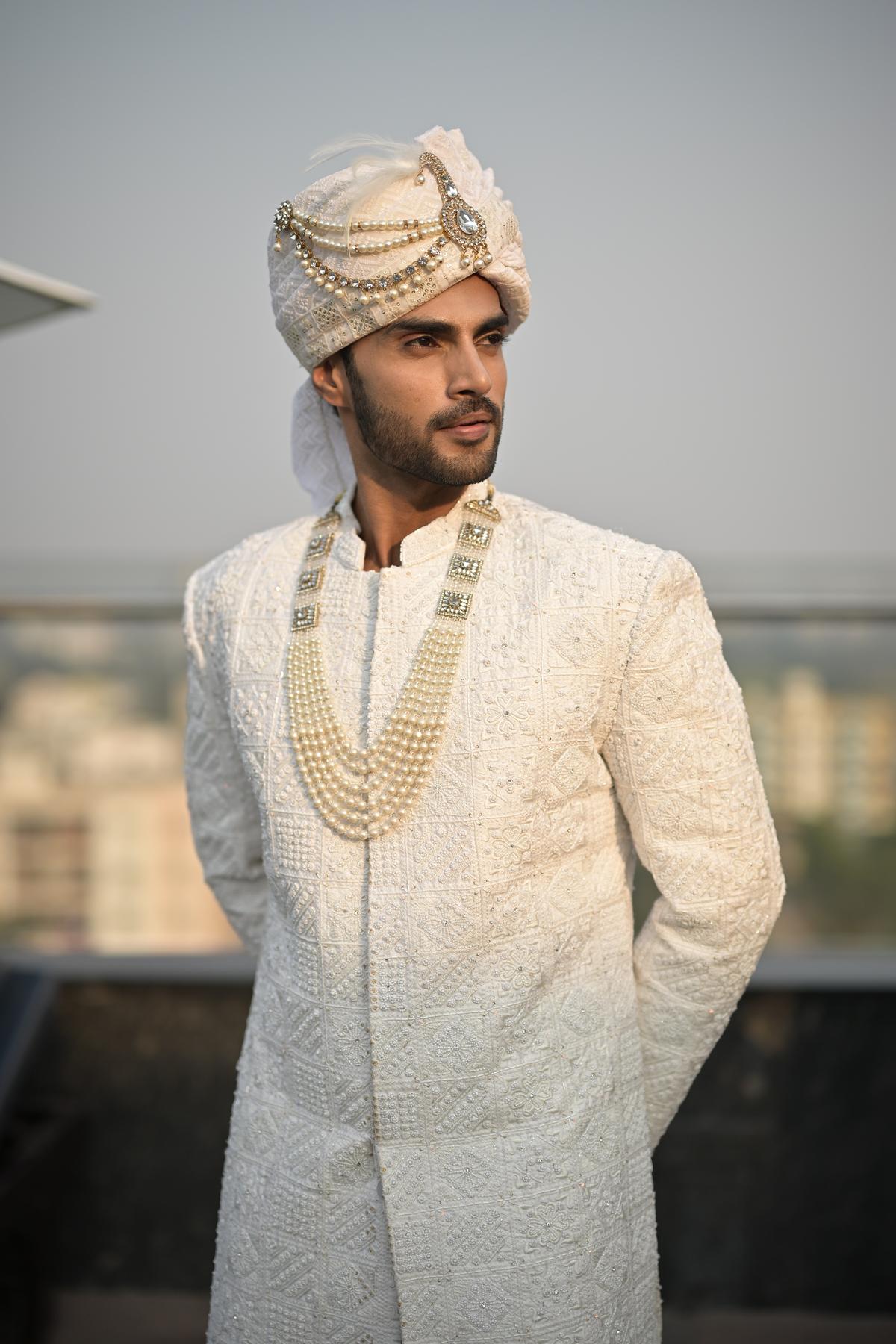
An outfit on Rent An Attire
| Photo Credit:
Special Arrangement
The 2026 forecast
This year, Khyati predicts the online fashion rental industry “will go through an S curve, where demand will start to rise as more and more users adopt or switch to rentals and ditch fast fashion for good as a result of fatigue”.
This is the year of “conscious glamour”, shares Laveena. She adds, “People will become more intentional about what they wear and fashion will also become far more personal and individual-led, moving away from standardised trends. Instead of owning many outfits, there will be a clear preference for fewer, well-chosen pieces that feel special.”
Pune-based real estate professional Harshal Ravindra Baisane started renting occasion wear a year ago and now there is no going back. He chanced upon the trend on Instagram and now rents blazers for meetings, and outfits for weddings and festivals. “For a recent wedding in the family, I rented clothes for ₹10,000 over five days. If I had purchased outfits it would have cost me close to ₹50,000. Renting apparel is a budget-friendly option that gives users better quality clothes. It also ensures no repeats.” Now an enthusiastic promoter of rented wardrobes, he adds, “I tell everyone that my clothes are borrowed.”
Discover more from stock updates now
Subscribe to get the latest posts sent to your email.