Hegseth says ‘this is not Iraq’ as strikes on Iran ignite regional conflict – National

Hegseth, along with Air Force Gen. Dan Caine, chairman of the Joint Chiefs of Staff, held the Trump administration’s first news briefing since Saturday’s strikes.

President Donald Trump, while he’s conducted a few phone interviews with individual reporters, has not taken questions on camera and only released two videos since the operation began.
Hegseth said the operation had a “clear, devastating, decisive mission” to “destroy the missile threat” from Iran, destroy its navy and “no nukes.”
“This is not a so-called regime change war, but the regime sure did change and the world is better off for it,” Hegseth said.
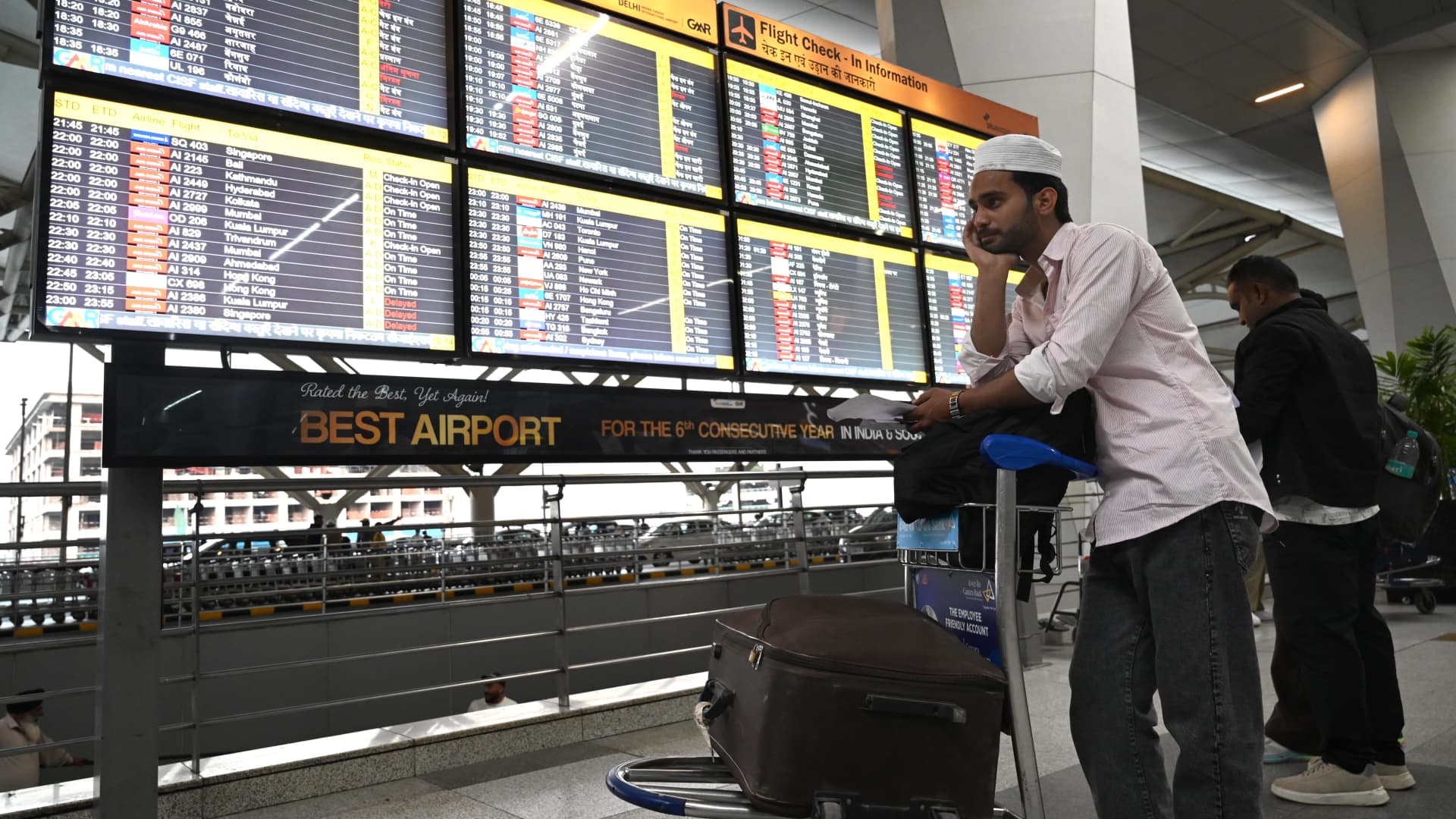
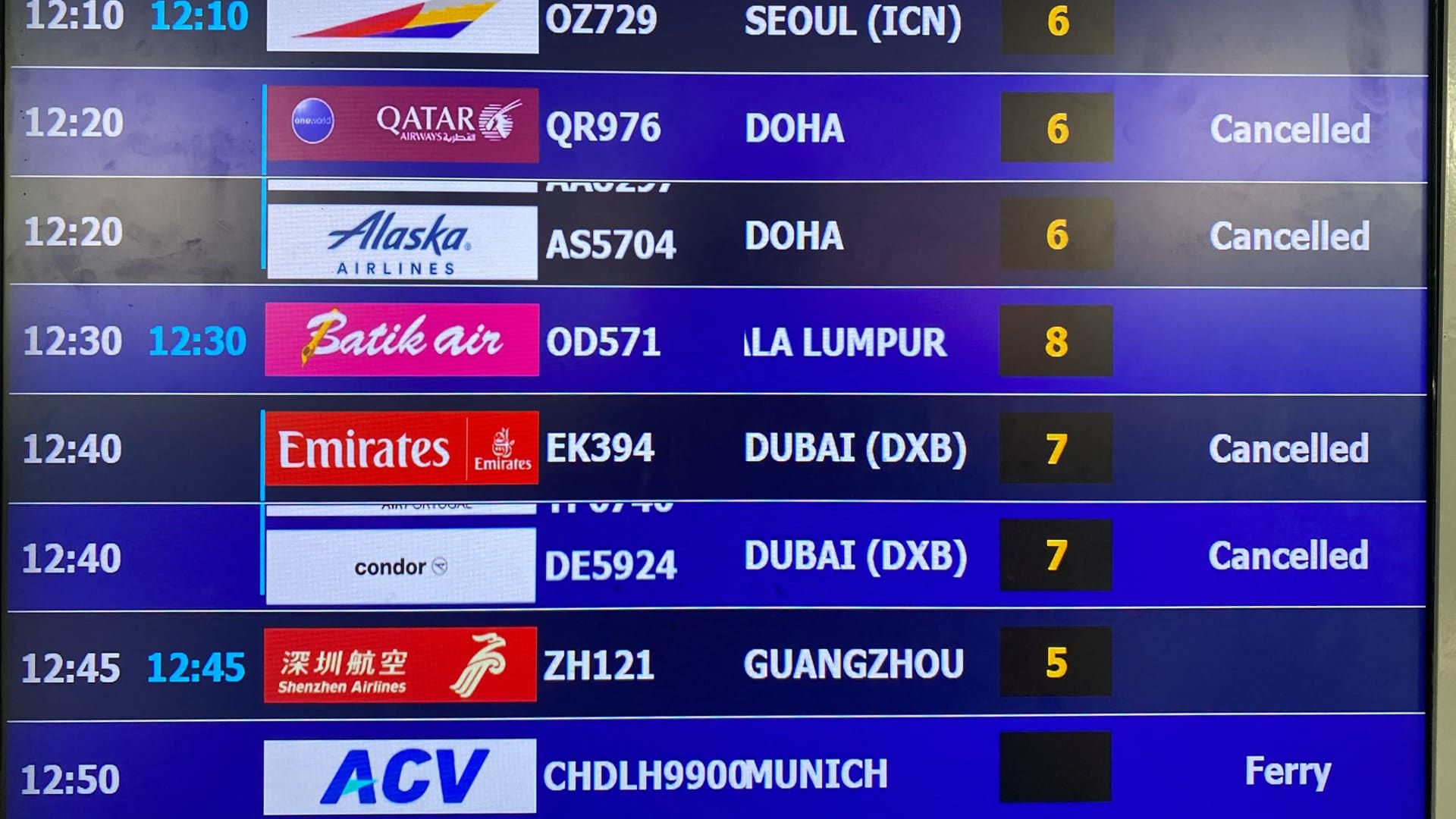
The briefing comes as the conflict has intensified into a wider war in the region. Iran and its allied armed groups have launched missiles at Israel, Arab states and U.S. military targets in the Middle East.


‘I don’t get bored’: Trump insists U.S. attack on Iran won’t be a short-term engagement
Four American troops have been killed in action. Trump on Sunday predicted there would be more U.S. casualties.

Get breaking National news
For news impacting Canada and around the world, sign up for breaking news alerts delivered directly to you when they happen.
Caine on Monday said the U.S. expected to have additional losses.
“We grieve with you, and we will never forget you,” he said of the family members of those killed.
The latest sign of the escalating upheaval came when U.S. ally Kuwait “mistakenly shot down” three American fighter jets during a combat mission as Iranian aircraft, ballistic missiles and drones were attacking.
U.S. Central Command said all six pilots ejected safely from the American F-15E Strike Eagles and were in stable condition.
U.S. officials have not offered any exit plan or offered signs that the conflict would end anytime soon, and the killing of Iranian Supreme Leader Ayatollah Ali Khamenei cast doubt on the future of the Islamic Republic and hurtled the region into broader instability.
In laying out a case for the strikes, Hegseth pointed to the Iranian regime as having started the conflict from its inception, declaring that for 47 years it has “waged a savage, one-sided war against America.”


“Their war on Americans has become our retribution against their Ayatollah and his death cult,” he said.
He did not point to any threat of an imminent nuclear threat from Iran, and he said again that last summer’s strikes by the U.S. and Israel “obliterated their nuclear program to rubble.”
Instead, Hegseth pointed to threats from other weaponry such as ballistic missiles and drones that justified the operation.

“Iran was building powerful missiles and drones to create a conventional shield for their nuclear blackmail ambitions,” Hegseth said.
He said that during negotiations with U.S. officials leading up to the attack, Iranian officials were “stalling.”
Trump, in an interview Sunday with The New York Times, said the assault could last “four to five weeks.”
The Republican president said the U.S. and Israel had struck hundreds of targets already. That included Israel and the U.S. bombing Iranian missile sites and targeted its navy, claiming to have destroyed its headquarters and multiple warships.
The Iranian Red Crescent Society said at least 555 people have been killed in Iran so far by the U.S.-Israeli campaign. Eleven people have been killed in Israel and 31 in Lebanon, according to authorities there.
© 2026 The Canadian Press
Discover more from stock updates now
Subscribe to get the latest posts sent to your email.