From The Dugout: World Baseball Classic Is A Preview Of Baseball’s Future
One of the most electric moments in baseball over the last decade didn’t happen in October.
It didn’t come under the weight of a 162-game grind, or for the prize of a Commissioner’s Trophy.
It came in March, with two countries stopping time, holding their breath, as Shohei Ohtani toed the rubber 60 feet and six inches from his then-longtime teammate, Mike Trout. Two of the greatest players in Major League Baseball history stared each other down in the championship game of the 2023 World Baseball Classic. Millions of people stopped what they were doing and watched the high-stakes showdown. Social-media videos showed commuters gathered around small cell-phone screens in airports, train stations and stores to witness Ohtani striking out Trout and winning the title for Japan.
At the time, it felt like compelling theater. Three years later, we can now view that celebrated at-bat as a revelation.
For years, the WBC was treated as an exhibition with too many risks attached to make the tournament truly meaningful. It disrupts spring training and the calculated management of workload build up, and it increases the potential for injury. Due to the timing of the tournament, players typically turned down requests to participate, citing their health and the importance of the MLB season. It was customary to expect just a sprinkling of big-name stars to play in the WBC, when the event was considered an unnecessary novelty that was rudely squeezed into spring training.


Team USA’s roster is loaded with All-Stars and MVPs. (Photo by Chris Coduto/Getty Images)
Now, we’re seeing stacked rosters that resemble the Avengers of baseball for almost every top contender. It’s now more surprising if the game’s top players aren’t participating, with a foreknown injury serving as the only suitable excuse to miss it. The emotion, urgency and viewership we saw in the last WBC, peaking during that Trout-Ohtani at-bat, suggested that the tournament meant more — globally — than it used to, and maybe even more than anyone thought it would. People delayed boarding their WiFi-less planes or getting to where they needed to go in order to absorb even another second of the dramatic action. How many sporting events still exist that can stop time like that?
The WBC is no longer a sideshow orbiting Major League Baseball. The tournament has shifted to spotlighting what a sport can look like when national pride, global stars and meaningful stakes collide.
That shift says as much about baseball’s future as it does about one unforgettable at-bat.
Consider how the global tournament used to be viewed. The inaugural 2006 WBC was widely regarded by MLB executives, managers and media as a silly interruption to the traditional spring training schedule, posing significant risks to the upcoming and more important regular season. Critics, including former Yankees owner George Steinbrenner, openly expressed their disapproval.
After Derek Jeter, Alex Rodriguez, Johnny Damon, Al Leiter and Bernie Williams left Yankees camp for the inaugural WBC, Steinbrenner publicly praised Hideki Matsui for staying with the team rather than playing for Japan. New York’s disgruntled principal owner, who even cared about the Yankees winning March exhibition games, said that the players were “risking a lot” by participating in a “terrible idea.” Owners and players, as we know, don’t always share the same perspective.
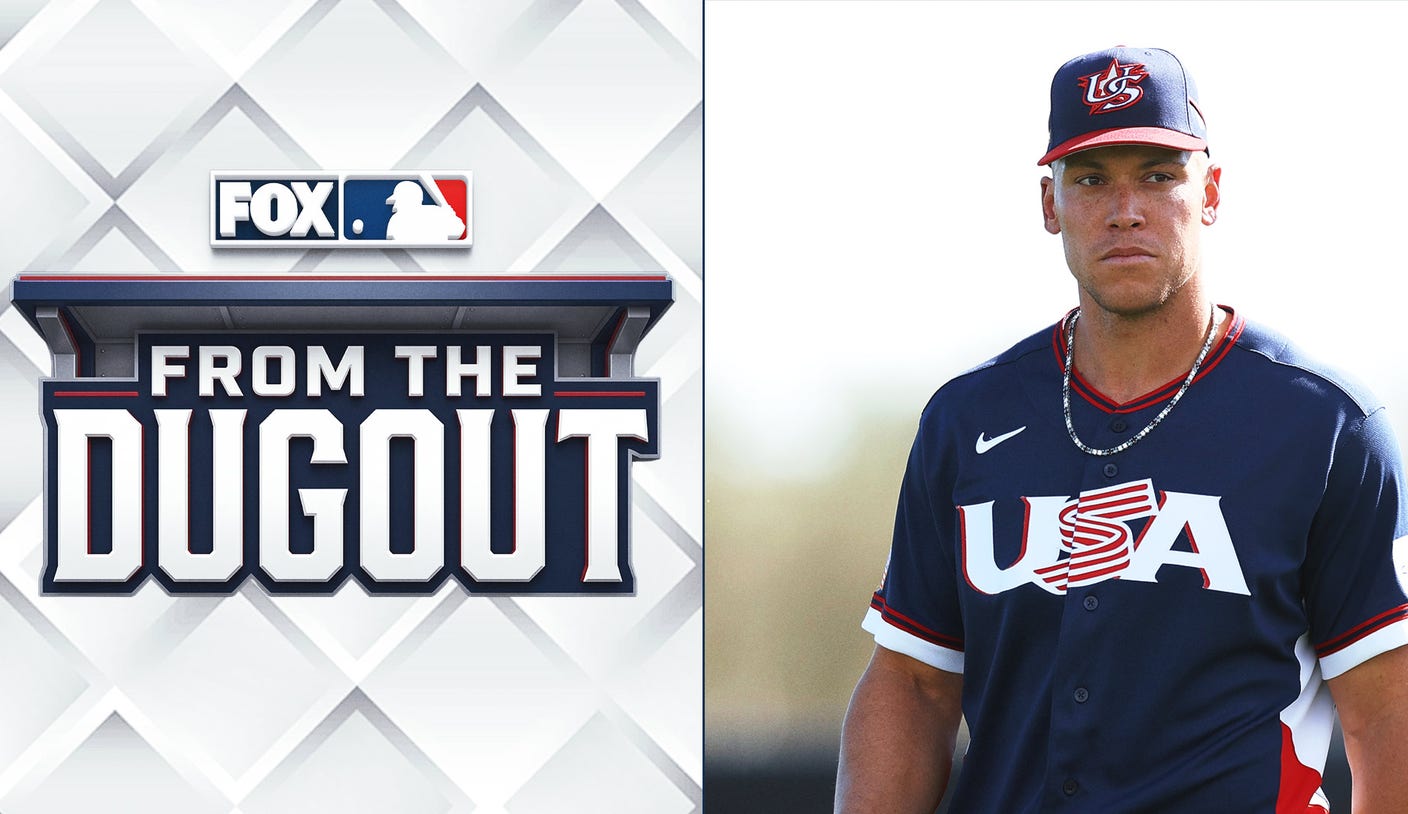
The success of recent tournaments has resulted in more MLB players being interested in playing for their national teams. This year, the Yankees saw 12 players depart spring training for the WBC, including their most important player, Aaron Judge.
The reigning three-time American League MVP is suiting up as the captain of the United States to play in the WBC for the first time in his career. Judge’s involvement has drawn more eyeballs to the tournament and generated more enrollment from his fellow peers. This year, Team USA has concocted the best roster of any team in WBC history. The United States is determined to avenge its 2023 WBC finals loss and reclaim glory because winning the tournament has become that important, both domestically and internationally.
Stadiums are now packed to the rafters with fans going all out — waving flags, banging drums, painting their bodies and spending money they don’t have — to support their countries and teams. High-pressure plays and patriotic moments of glory go viral on social media, helping the sport go global beyond just the algorithms of baseball aficionados. The intense pride of playing for your country is the bedrock of the tournament. Now, players are openly saying that playing in the WBC and representing their countries is the most meaningful baseball of their careers.
The conversation has shifted from “Should MLB players participate?” to “How soon until the next WBC?”

Shohei Ohtani is back for Japan at the WBC. (Photo by Gene Wang – Capture At Media/Getty Images)
Of course, fans still worry about injuries. The population of Detroit is thrilled Tarik Skubal is only making one first-round start for Team USA. But everyone else who wanted to see the game’s best pitcher go up against the world’s best hitters was disappointed. Since gaining popularity and success, some fans wish that the tournament was longer than two weeks. Why not prolong the excitement? Why not more battles between dueling baseball nations? There’s a World Cup energy to the WBC because it’s a sprint, unlike the marathon of the regular season. And, in the TikTok generation where attention spans are shrinking, sprints resonate with larger audiences more than marathons.
The buildup to the tournament feels different this time. There are more global superstars repping their countries, hungry to dethrone Ohtani and Samurai Japan. The reigning champions can be legitimately threatened by their competition. The Dominican Republic roster, led by Juan Soto, is the best it’s ever been. Venezuela, led by Ronald Acuña Jr. and Jackson Chourio, is capable of winning it all. Even Canada, which typically struggles to roster major-league players, is a dark-horse candidate to go the distance.
Most astonishingly, for the first time in WBC history, it wasn’t so difficult to convince top major-league pitchers to break from their spring routines and participate in the tournament. Team USA’s rotation features the reigning Cy Young award winners from each league in Paul Skenes and Skubal. With elite talent in team rotations, bullpens, and lineups, there’s a playoff-level urgency brewing to bring home the gold throughout the WBC field.
So, what can MLB learn from the increasing popularity of the WBC?
It can start by analyzing its own locker rooms. Major League Baseball has never been more international, featuring multilingual clubhouses and MVP candidates hailing from Japan, the Dominican Republic, Puerto Rico, Venezuela and beyond. International free agency has drawn increased interest, highlighted by the league-wide pursuit of Japanese pitcher Roki Sasaki last offseason. And, more than a quarter of MLB’s current active players originally signed as international amateur free agents.

Japanese fans giving their WBC team a raucous atmophere. (Getty Images)
Yet, MLB still largely markets itself as a domestic league with international contributors. Regular season games feel regional. Rivalries are division-based. The league emphasizes the nostalgia of America’s national pastime, like the recurring “Field of Dreams” games, promoting baseball as a deeply rooted institution.
In contrast, the WBC flips that framing and shows baseball as a global sport first. WBC games are international, urgent and emotional. Every pitch carries visible stakes, emanating from the diamond and reaching the tops of the rafters. Community-driven passion and pride lead to raucous, bubbly atmospheres, complete with trumpets, various brass horns, cowbells, drums, and ōendan, or Japanese fan-led cheering squads. Baseball environments are high energy and festive, designed to support the home team and intimidate the opponent.
The WBC shows baseball at its loudest and proudest, displaying unapologetic cultural expression, and MLB could lean into that identity year-round. It would only require capturing a fracture of that atmosphere more consistently. The upcoming tournament is a good time to start paying attention.
The increased interest in the WBC is in part due to players weighing all the risks against the reward of honoring their families and representing their countries. Some of those risks include messing with pitcher workloads, freak injuries (like closer Edwin Diaz’s complete tear of his patellar tendon while celebrating a win on the mound), future contract diminishment, and even organizational hesitation. Steinbrenner wasn’t alone in voicing his concerns over the WBC, and that sentiment still exists within front offices.
But, over the years, players have decided that the reward is worth the risk. Global dominance and bragging rights matter. Cultural connection is as important to the product on the field as the consumers in the stands. One of the biggest storylines surrounding the WBC this year involves the absence of superstars playing in the tournament because of insurance issues related to injuries. It’s too bad we won’t see Francisco Lindor, Carlos Correa and Javier Baez playing for Puerto Rico, and the roster is worse because of it. Isn’t it possible that the short-term injury risks could be outweighed by the long-term global investment in the sport?
October still decides championships, but March may now decide the future of baseball. This WBC doesn’t feel like an interruption to the main event. It feels like a destination. Baseball doesn’t have to choose between its league and the world stage. But it can no longer pretend the world stage is secondary. The success of the WBC is proof that baseball’s heartbeat is increasingly international.
Discover more from stock updates now
Subscribe to get the latest posts sent to your email.