


Five higher education lawsuits to watch in 2026, led by Harvard, NIH and NSF challenges to Trump policies

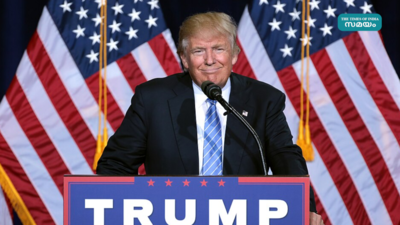
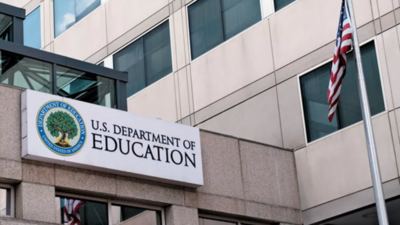
The Trump administration enters 2026 facing a slate of high-stakes lawsuits that could reshape the legal and financial foundations of US higher education. From research funding and DEI-related grants to campus speech and immigration enforcement, courts are increasingly central to determining how far federal power can reach into universities.Several of the most consequential cases remain unresolved, with appeals pending and new rulings expected. Together, they reflect sustained resistance from universities, faculty groups, students and states to policies pursued by President Donald Trump since returning to office.Harvard challenges federal funding and oversight actionsHarvard University’s legal battle with the Trump administration stands as the most prominent higher education lawsuit heading into 2026. The dispute began after the government froze $2.2 billion in federal research funding, following Harvard’s refusal to accept sweeping federal demands tied to allegations of antisemitism.Harvard sued the administration and later challenged a separate move to revoke its ability to enrol foreign students, winning an early court order blocking that decision. The administration also threatened Harvard’s patent revenue and accreditation status.In September, US District Judge Allison Burroughs ruled that the funding freeze violated the university’s First Amendment rights and failed to follow required procedures. The administration appealed in December. Jon Fansmith, senior vice president for government relations at the American Council on Education, warned that a Supreme Court ruling for the administration could set a dangerous precedent, he told Higher Ed Dive.Universities fight federal research overhead capsAnother major set of cases centres on federal efforts to cap indirect research costs. The National Institutes of Health moved to limit overhead reimbursement at 15%, prompting lawsuits from more than 20 state attorneys general and major higher education associations.The plaintiffs argued that the cap would cripple biomedical research. ACE and other groups described the policy as a “self-inflicted wound” on the country, a position they outlined to Higher Ed Dive.Federal judges blocked the NIH cap, and similar limits imposed by the Department of Energy, the National Science Foundation and the Department of Defense were also halted. Appeals are ongoing, leaving research universities uncertain about future funding.DEI grant terminations at NIH and NSF face legal scrutinyLegal challenges to mass grant cancellations linked to DEI policies remain active. Researchers and state attorneys general sued NIH after hundreds of approved grants were terminated. A district court ruled the policy illegal, but the Supreme Court later held that funding restoration claims must proceed through the Court of Federal Claims.Massachusetts Attorney General Andrea Campbell called the ruling “deeply disappointing” in comments cited by Higher Ed Dive. The administration has appealed the underlying legality ruling, which remains before the 1st US Circuit Court of Appeals.NSF faces similar litigation after terminating grants tied to DEI, environmental justice and misinformation research.Students and faculty contest deportation and speech policiesLawsuits also challenge the administration’s approach to immigration enforcement and campus speech. The Stanford Daily sued Secretary of State Marco Rubio and Homeland Security Secretary Kristi Noem, alleging student journalists feared deportation over political expression. A judge denied the government’s motion to dismiss.In a related case, District Judge William Young ruled that non-citizens lawfully present in the US retain full free speech rights. Young described the issue as constitutionally fundamental, according to Higher Ed Dive.Texas campus speech restrictions head to trialFinally, Texas faces litigation over a law banning most expressive activity on public campuses overnight. The Foundation for Individual Rights and Expression sued the University of Texas System, arguing the law violates the First Amendment.Judge David Alan Ezra blocked enforcement, writing that the First Amendment “does not have a bedtime”, a line quoted by Higher Ed Dive. The case could set a national benchmark for campus speech regulation.

Discover more from stock updates now
Subscribe to get the latest posts sent to your email.