First wooden satellite developed by Japan aims to reduce space debris and prevent it from re-entering Earth |
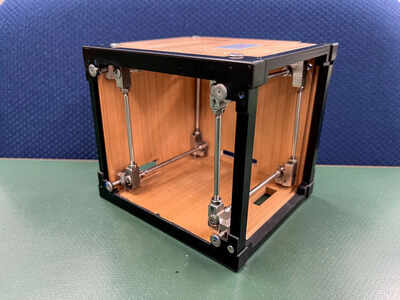
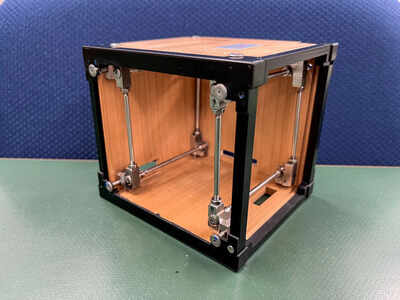
Wood has entered low Earth orbit in a form rarely seen before. In December 2024, five CubeSats were released from the International Space Station, including LignoSat, a small satellite built largely from magnolia timber. The project is led by researchers at the Japan Aerospace Exploration Agency and Kyoto University, working with Sumitomo Forestry. The aim is practical rather than symbolic. Engineers want to understand how wood behaves in space and whether it could help mitigate some of the environmental effects associated with conventional satellites. LignoSat remained in orbit for 116 days after deployment. According to the Nanosats Database, the mission is planned for 2027. The experiment sits within wider efforts to rethink satellite materials.
NASA deployed Lignosat to test wood in orbit from the International Space Station

LignoSat is a CubeSat about the size of a coffee mug. Its outer panels are made from honoki magnolia wood, selected after earlier exposure tests on the station. Three wood species were placed outside to see how they responded to vacuum, radiation and sharp temperature swings. Honoki showed the most stability.The panels were assembled using a traditional Japanese wood joinery technique rather than screws or glue. Researchers wanted to see how untreated timber would handle stress without protective coatings. Inside the satellite, sensors recorded strain, internal temperature changes and radiation effects. There was also interest in whether the geomagnetic field would pass through the wooden body and disturb onboard electronics.
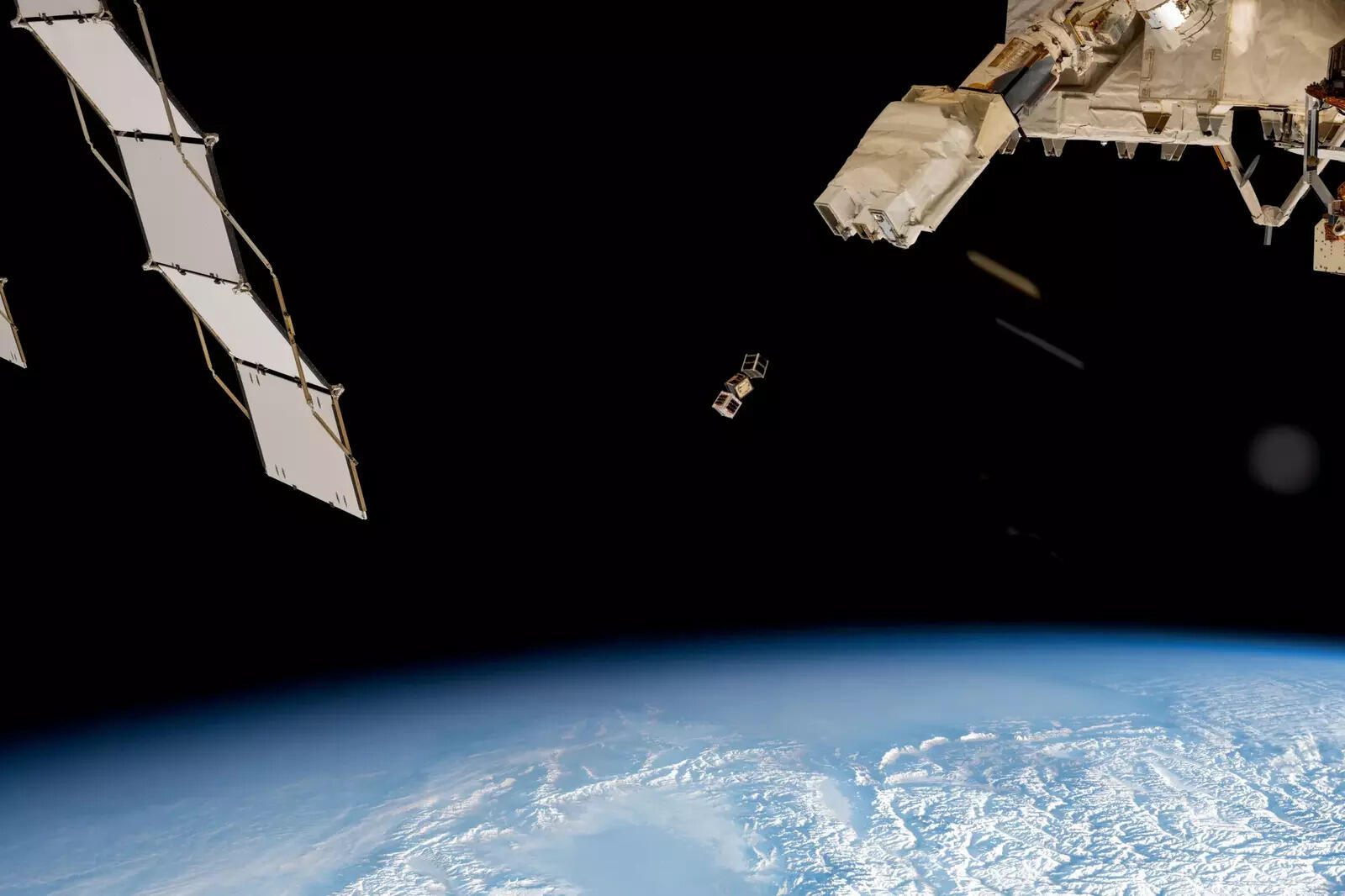
NASA deployed Lignosat from ISS to test wood in the orbit (Image Source – NASA)
Space debris and satellite reentry pollution draw concern
The environmental argument is part of the appeal. Most satellites are built from aluminium. When they burn up on reentry, they release aluminium oxide particles into the upper atmosphere. Scientists are still studying how long those particles remain and what effect they may have.Wood behaves differently. It is renewable and produces less metallic residue when it burns. Developers hope that biodegradable materials might limit long-term atmospheric accumulation as satellite launches continue to increase. LignoSat was deployed from the International Space Station with support from NASA. The mission was small, but it signals a shift in thinking about spacecraft design.A second mission, LignoSat 2, is expected in 2027. Engineers will review the first set of data before adjusting the design. For now, the satellite has offered a modest test case. Timber in orbit, quietly circling, giving numbers back to Earth.
Discover more from stock updates now
Subscribe to get the latest posts sent to your email.