



First solar eclipse of 2026: What happens to wildlife during a solar eclipse; animal behaviour explained |
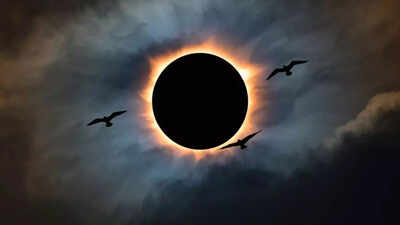
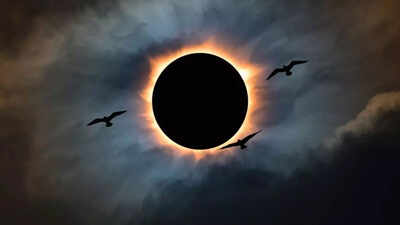
Solar eclipses are among nature’s most unusual and dramatic events. The Moon casts a shadow on the Earth that changes the light and temperature in some places for a short time when it moves between the Earth and the Sun. While scientists focus much attention on what solar eclipses reveal about the Sun and the Moon, these events also provide a rare opportunity to observe wildlife under conditions that mimic sudden dusk. On February 17, 2026, an annular solar eclipse, sometimes called a “Ring of Fire” eclipse, will occur, although it will not be visible from India. Still, understanding how animals normally react to eclipses helps us appreciate how both wild and domestic animals use environmental cues like daylight, temperature and seasonal rhythms to guide their behaviour.According to the US Fish & Wildlife Service, animals rely heavily on natural light to regulate their activity patterns. A sudden dimming of daylight can trigger behavioural changes similar to those seen at dawn or dusk. Changes in movement, vocalisations, and feeding behaviour have been seen in many species during past solar eclipses. Researchers and wildlife watchers have looked into these reactions to learn more about how animals react to sudden changes in their environment and how their internal biological clocks adjust to unexpected changes.The way different species react to a solar eclipse depends on the type of eclipse (total or annular), the habitat, and the species. People often talk about how dramatic total eclipses are when the Sun is completely covered. But even an annular eclipse, when the Sun is only partially covered, can affect animals that are sensitive to light. The following sections explain how different types of animals react and why these responses occur, based strictly on scientific reports and direct observations from past eclipses.
How light and temperature influence animal behaviour during solar eclipse
Animals depend on environmental signals like sunlight and temperature to regulate their circadian rhythms, the internal “biological clock” that informs them when to feed, rest or seek shelter. During a solar eclipse, the sky darkens rapidly, and temperatures may drop slightly. These sudden changes can make people act as they do at night or in the morning.According to the US Fish & Wildlife Service, species ranging from insects to large mammals often shift their activities when light levels fall unexpectedly, even for just a few minutes.

Animals and their behaviour during solar eclipse
Birds: Morning vs dusk cuesBirds are among the most frequently observed animals to change behaviour during eclipses. Anecdotal evidence and scientific studies show that a lot of birds change their routines when the light level drops.
- Some birds, according to reports, become quiet or go back to their nests as if it were night.
- Modern research has documented that some species even alter their songs in ways that resemble dawn or dusk calls during eclipses. A 2025 study published in the journal Science found that many birds changed the way they sang during a total eclipse. Some birds even started to sing as if a new day were starting as the light came back.
People think that these reactions are caused by changes in the light in the environment, not by an understanding of the eclipse itself.Insects: Confusion and nesting patternsMany of the things that insects do every day, like finding food, mating, and getting around, are guided by light. Research published in Scientific Reports showed that bees flew much less during an eclipse. This is probably because the lack of light made it harder for them to find flowers and get around.Some reports say that some bugs, like crickets and fireflies, may become more active when it suddenly gets dark, acting as they do at dusk.Mammals and other vertebratesBig mammals and reptiles also act differently during eclipses. A study of zoo animals during a past eclipse, where researchers observed 17 different species, found that about 75% showed behavioural changes. Many animals engaged in behaviours typical of evening or nighttime routines, such as resting or reducing activity. Others showed signs of apparent anxiety or unusual movement that differed from their normal daytime behaviour.Examples from recorded observations include:
- Giraffes and primates adjusting movements as light levels dropped.
- Some elephants and lorikeets act like it’s dusk.
Different species react in different ways. Depending on how active they are normally and how sensitive they are to light, some mammals, reptiles, and birds may not change much at all.Marine and aquatic lifeMarine animals also respond to changes in sunlight, but this has been studied less systematically. Reports of marine life such as whales and fish reacting to eclipse conditions suggest that lower light and shifts in surface luminescence can influence behaviour, although responses are species-specific and less well documented than terrestrial reactions.
Why not all animals react the same way
Scientific research indicates that animals do not uniformly react to a solar eclipse. Responses depend on:
- Sensitivity to light that is specific to each species
- If the eclipse is full or only partial
- The animal’s natural sleep-wake cycle
- Habitat and cues from the environment right away
For example, a scientific study published in the journal Science in 2025 found that some bird species acted very differently during an eclipse, while others did not. This shows that different species react and see sudden changes in light levels in different ways.
What this means for solar eclipse on February 17
The annular eclipse on February 17, 2026, won’t make the sky completely dark like a total solar eclipse does, but it will still make the sky noticeably darker where it is visible. Even this small amount of less light can make animals that depend on sunlight to keep their daily routines change how they act.Understanding how wildlife reacts to eclipses helps scientists learn more about animal perception, circadian biology and behavioural ecology. Clear patterns found in past events suggest that many species will temporarily change behaviour during such cosmic phenomena, even if they quickly return to normal once sunlight returns.
Discover more from stock updates now
Subscribe to get the latest posts sent to your email.