




Bottom 10% see sharpest rise in consumption, fall in poverty: Economic Survey

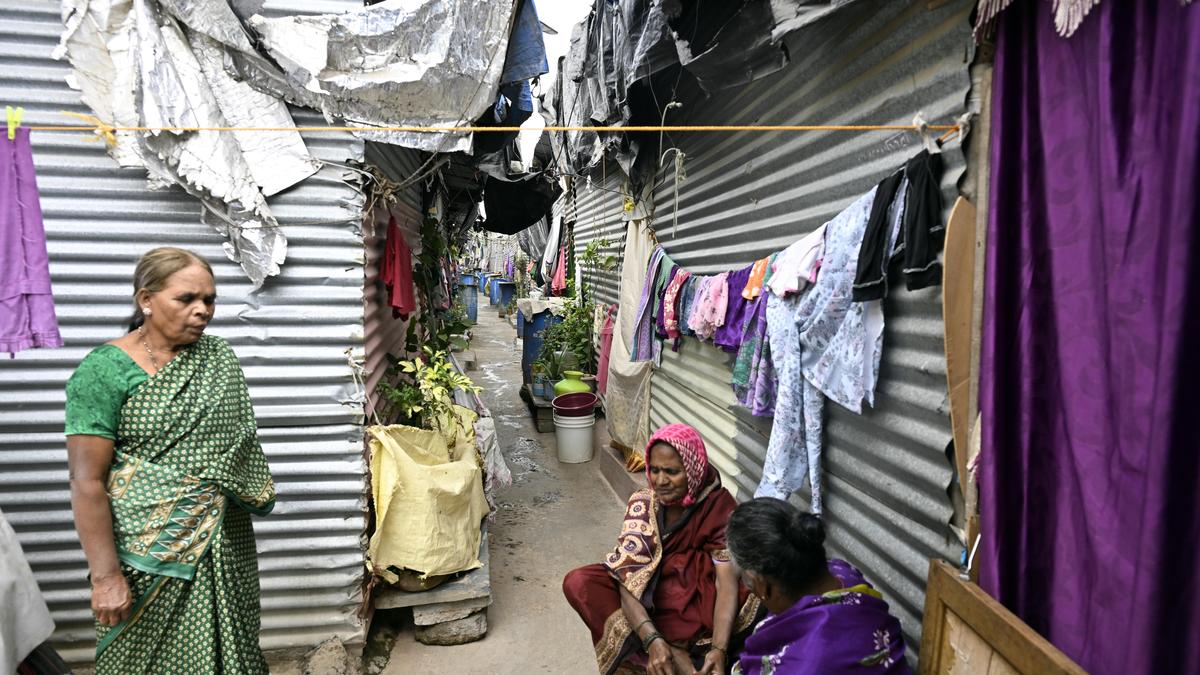
Image used for representational purposes. File
| Photo Credit: Sudhakara Jain
The Survey highlighted positive outcomes from subsidies, pensions, direct benefit transfers and public spending on education and healthcare, which have lifted the vulnerable out of deprivation.
This is reflected in the latest Household Consumption Expenditure Survey (HCES) 2023-24, which shows a decline in consumption inequality and marked gains for the most disadvantaged groups.


The largest growth in average monthly per capita expenditure (MPCE) between 2022-23 and 2023-24 was observed among the bottom 5-10% in both rural and urban areas, highlighting the impact of government policies.
“The government’s initiatives to lift the vulnerable out of the cycle of deprivation have yielded positive results, as reflected in various measures of poverty reduction,” it said.
Government policies have had a significant influence on income distribution, primarily through subsidies, pensions, direct transfers, and public expenditures on social services, including education and healthcare, it added.

The Survey also called for amplifying rural economic momentum through local opportunities and innovation, while preserving the environment, culture and traditions to foster inclusive growth across rural India.
Highlighting gains in consumption among the most vulnerable, especially in rural areas, the Survey said reviving the rural economy is essential to support livelihoods and enhance living conditions without disruptive changes.
“Rural communities can learn new skills, find livelihoods, maintain health and financial stability, restore household harmony, access modern education while preserving cultural heritage, connections and respect for the Earth,” it stated.

The Survey emphasised sustaining social development through community engagement and continuous feedback, advocating frequent technology-enabled surveys for targeted, data-driven interventions.
It urged documenting and disseminating positive case studies for replication, and engaging students, community elders, citizens and prominent personalities as role models to reinforce desired behaviours and boost participation.
“Going forward, a framework of shared responsibility and respect must remain at the centre of India’s growth journey. By making governance a two-way process, we can bridge the gap between policy and people and nurture proud, self-reliant citizens prepared for the future,” the Survey added.
Published – January 29, 2026 04:34 pm IST
Discover more from stock updates now
Subscribe to get the latest posts sent to your email.