Asia markets live updates today: March 23

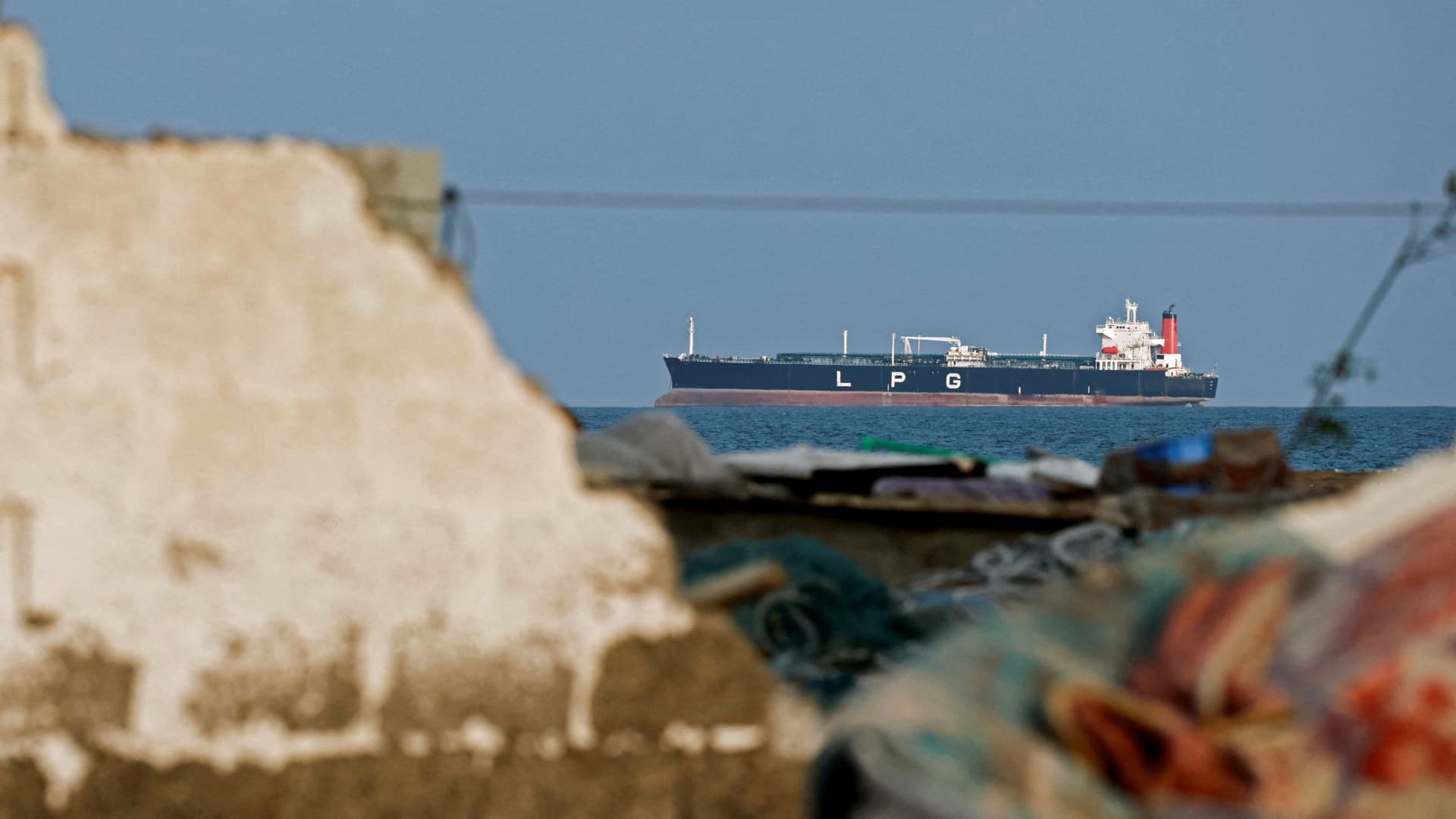
Str | Afp | Getty Images
President Donald Trump said on Saturday that he would “obliterate” Iran’s power plants if Tehran failed to fully reopen the Strait of Hormuz — a vital artery for global energy flows — within 48 hours

Iran pushed back, threatening to target energy infrastructure and desalination facilities in the Gulf if the U.S. carries out its ultimatum.
Iran’s Parliament speaker Mohammad Bagher Ghalibaf said Saturday that attacks on the country’s power plants would “immediately” be met with retaliatory strikes on energy and oil infrastructure across the region.
“Critical infrastructure and energy and oil infrastructure throughout the region will be considered legitimate targets and irreversibly destroyed, and oil prices will rise for a long time,” Ghalibaf said on X.
Japan’s Nikkei 225 declined nearly 5%, widening losses from the earlier session, while the broad-based Topix dropped 4.4%.
South Korea’s blue-chip Kospi plunged more than 6%, and the small-cap Kosdaq fell nearly 5%. The Korean exchange briefly suspended trading after the Kospi 200 futures index fell by over 5%.
Australia’s S&P/ASX 200 declined 2.4%. Hong Kong’s Hang Seng Index and the mainland CSI 300 dropped nearly 2% on the open.
On Sunday, Ghalibaf extended the threat to holders of U.S. Treasurys, warning financial entities that purchase American government bonds and “finance the U.S. military budget” would be considered legitimate targets, alongside military bases.
Crude prices whipsawed in volatile trading on Monday. Brent crude reversed earlier losses to gain 0.65% to $112.68 per barrel as of 10:57 p.m. EST. The U.S. West Texas Intermediate was up 0.8% at $99 per barrel.
Goldman Sachs has sharply raised its oil price forecasts, expecting Brent to average $110 in March-April, up from $98 previously, and WTI to average $98 in March and $105 in April.
“We now assume that Hormuz flows remain at only 5% of normal levels for a longer 6-week period before a gradual 1-month recovery,” the Wall Street bank said, noting that prices are likely to trend higher over that period until investors gain confidence that a prolonged disruption can be ruled out.
Gold prices dropped 6.6% to $4,188.99 an ounce, extending a slide to a nearly four-month low. Expectations that war-driven inflation will keep interest rates elevated weighed on the non-yielding metal’s appeal relative to interest-bearing assets.
Similarly, silver prices sank by around 8% to $62.39.

Overnight in the U.S., stock futures were little changed. The Dow Jones Industrial Average was flat and the S&P 500 shed 0.1% while the Nasdaq Composite futures pulled back by 0.2%.
The three major indices ended last week lower, with the S&P 500 declining by more than 1.5% and falling below its 200-day moving average for the first time since May. The Dow, which saw its first four-week losing streak since 2023, and the Nasdaq each fell around 2% for the week.
— CNBC’s Lisa Kim and Fred Imbert contributed to this report.
Discover more from stock updates now
Subscribe to get the latest posts sent to your email.