Trump administration in advanced talks for Spirit Airlines rescue
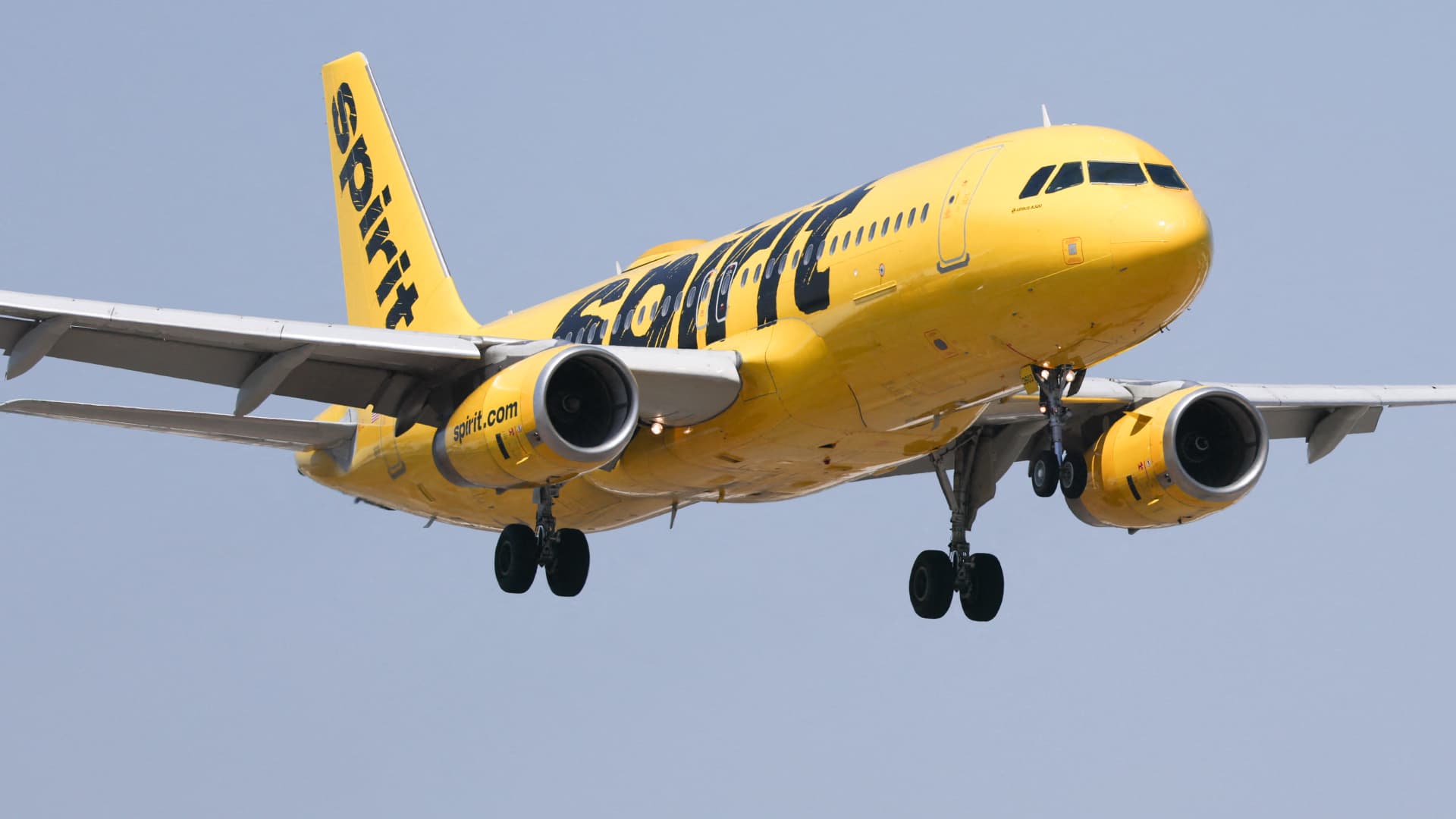
Mike Blake | Reuters
The deal could include $500 million in financing from the government, which could provide a path to give the government an equity stake in the carrier, said the people, who requested anonymity because they were not authorized to discuss the talks. The senior financing would put the government ahead of other stakeholders in the airline, one of the people said.
The iconic discounter Spirit has been challenged for years by rising costs, changing consumer tastes, an engine recall and a court-blocked plan to be acquired by JetBlue Airways two years ago. The surge in fuel prices since the U.S.-Israel strikes on Iran in February has added to Spirit’s challenges.

“Spirit Airlines would be on a much firmer financial footing had the Biden administration not recklessly blocked the airline’s merger with JetBlue,” White House spokesman Kush Desai said in a statement to CNBC. “The Trump administration continues to monitor the situation and overall health of the U.S. aviation industry that millions of Americans rely on every day for essential travel and their livelihoods.”
Potential liquidation
Spirit had been facing a potentially imminent liquidation, people familiar with the matter told CNBC last week, speaking on the condition of anonymity to discuss matters that had not yet been made public. The Dania Beach, Florida-based carrier in August filed for its second Chapter 11 bankruptcy in less than a year, after it struggled to increase revenue to cover rising costs.
President Donald Trump hinted at potential government aid on Tuesday, telling CNBC’s “Squawk Box,” “Spirit’s in trouble, and I’d love somebody to buy Spirit. It’s 14,000 jobs, and maybe the federal government should help that one out.”
The Wall Street Journal earlier reported that the talks were in an advanced stage.
“We are hopeful that the government will recognize the needs for emergency funds especially in the current economic environment,” a spokesperson for the Association of Flight Attendants-CWA, which represents Spirit’s cabin crews, said in a statement. “The last thing our economy needs is tens of thousands more people out of work and the last thing the travelling public needs is fewer choices in air travel.”
The final terms of the deal and what the airline receives could still change.
Spirit declined to comment on the talks.
“We are operating our business as normal; Guests can continue to book, travel and use tickets, credits and loyalty points as usual,” the airline said in a statement.
Transportation Secretary Sean Duffy appeared against the idea of a government rescue of Spirit on Tuesday.
“What we don’t want to do is put good money after bad, and there’s been a lot of money thrown at Spirit, and they haven’t found their way into profitability,” Duffy said in an interview with Reuters. “And so would we just forestall the inevitable and then own that?”
“What would someone buy?” Duffy asked in the interview. “If no one else wants to buy them, why would we buy them?”
In February, Spirit said it expected to exit bankruptcy in late spring or early summer, telling a U.S. court that it would shrink and focus its planes on high-demand routes and travel periods. Pilot and flight attendant unions had also made concessions, including going on furlough in recent months, in a bid to help Spirit survive.
But jet fuel prices have nearly doubled in some parts of the U.S. since then, further adding to challenges for Spirit and the rest of the airline industry.
As a low-fare airline that also faces competition from larger carriers with their own no-frills, basic economy offerings, it has grown harder for Spirit to cover expenses. Spirit had introduced extra-legroom seats and other premium options to try to cater to higher-spending customers.
United Airlines CEO Scott Kirby said he is against a government rescue of Spirit. Kirby has been critical of Spirit’s business model for years, and said he thought that the airline would go out of business.
“Well-run airlines are still solidly profitable even in this environment,” Kirby said on an earnings call on Wednesday. “As you see from United, I don’t think this crisis is anywhere near big enough to caused the need for an airline bailout.”
Other government rescues
The U.S. airline industry accepted more than $50 billion in taxpayer aid to weather the Covid-19 pandemic, which is still its biggest-ever crisis, but those funds weren’t handed to one specific airline. Some of the aid gave the U.S. government stock warrants for airlines.
Airlines also received a government bailout following the Sept. 11, 2001, terrorist attacks, but that money was also for more than one company. The U.S. in 2008-2009 also bailed out the auto industry during the financial crisis and took stakes in manufacturers.
The Trump administration has taken equity stakes in some companies it deemed critical to national security like Intel and USA Rare Earth, though Spirit stands out as it is in bankruptcy.
Correction: This article has been updated to correct the name of the Association of Flight Attendants-CWA.
Discover more from stock updates now
Subscribe to get the latest posts sent to your email.