Gene drives and malaria: how altered mosquitoes could reshape disease control

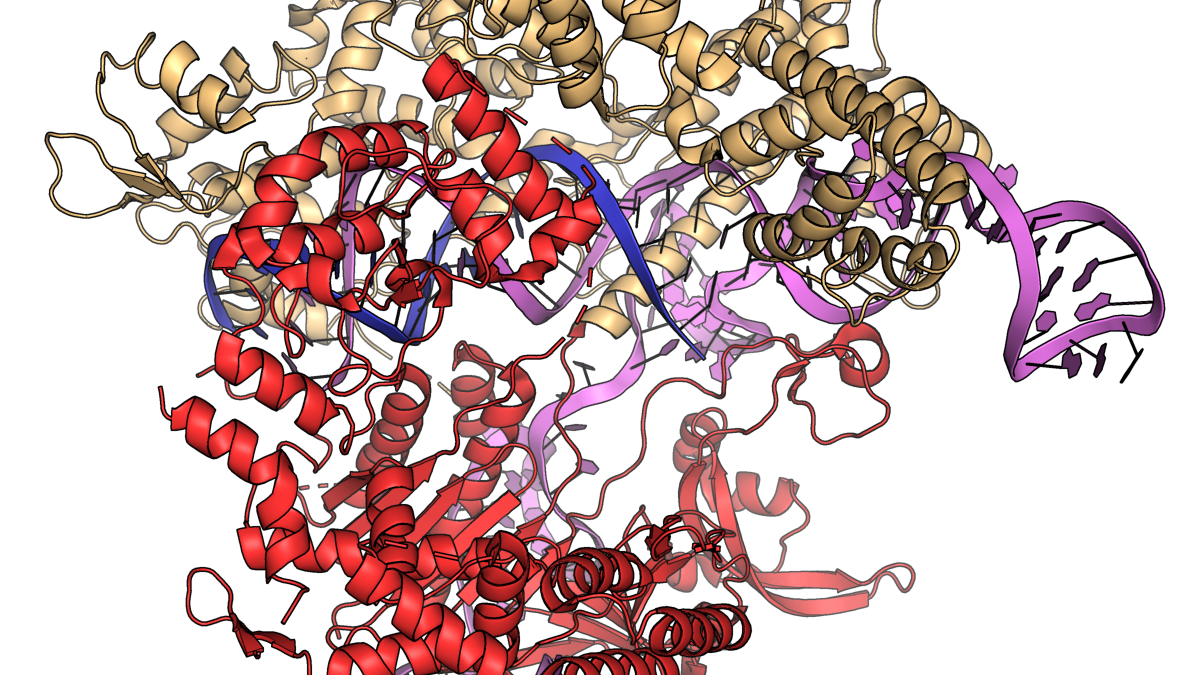
Representative image of the Cas9 protein in complex with sgRNA and its target DNA. Cas9 is part of the CRISPR-Cas9 gene-editing tool. Reseach has shown that CRISPR-based gene drives can spread through small laboratory cages of mosquitoes.
| Photo Credit: Public domain
For decades, malaria control has worked by reducing the number of mosquitoes and treating infected people. As a result bed nets, indoor insecticide spraying, and effective medicines have saved millions of lives. Yet malaria remains one of the world’s deadliest infectious diseases, killing more than half a million people each year, most of them children in sub-Saharan Africa.

Anti-malaria efforts have also slowed in many regions as mosquitoes become more resistant to insecticides and the malaria parasite evolves resistance to drugs.
Published – April 20, 2026 07:30 am IST
Discover more from stock updates now
Subscribe to get the latest posts sent to your email.