Why we need to rethink how Science is taught in higher education

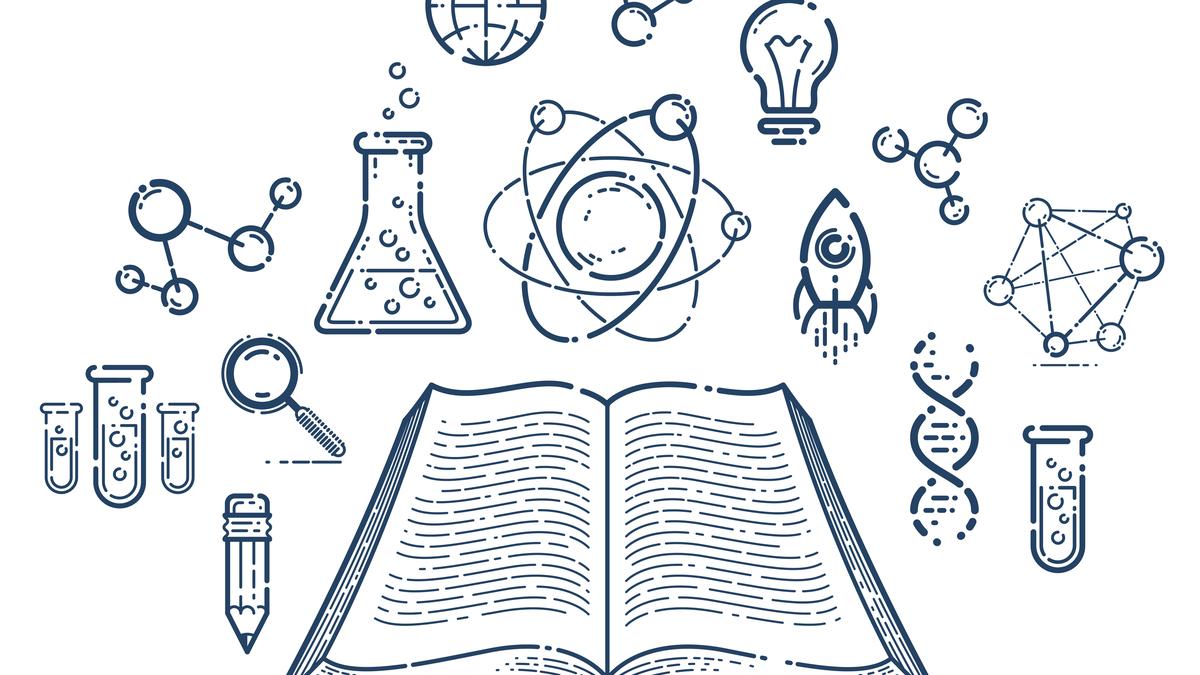
The majority of higher education Science curricula still rely on dense, text-heavy formats developed for an earlier generation that had limited access to other means of information.
| Photo Credit: Getty Images/iStockPhotos

Students today engage with visuals, ask questions in real time, and seek relevance. If we ignore this shift, we risk mistaking disengagement for incapacity. Therefore, we need to correct the mismatch between how we teach and how they learn. New-age learners respond to interaction more than unidirectional instructions. Yet, the majority of higher education curricula, especially in Medical Sciences, still rely on dense, text-heavy formats developed for an earlier generation that had limited access to other means of information.
Published – April 19, 2026 10:00 am IST
Discover more from stock updates now
Subscribe to get the latest posts sent to your email.