What the study of the mutant gene behind aggressive adult leukaemia can offer for treatment

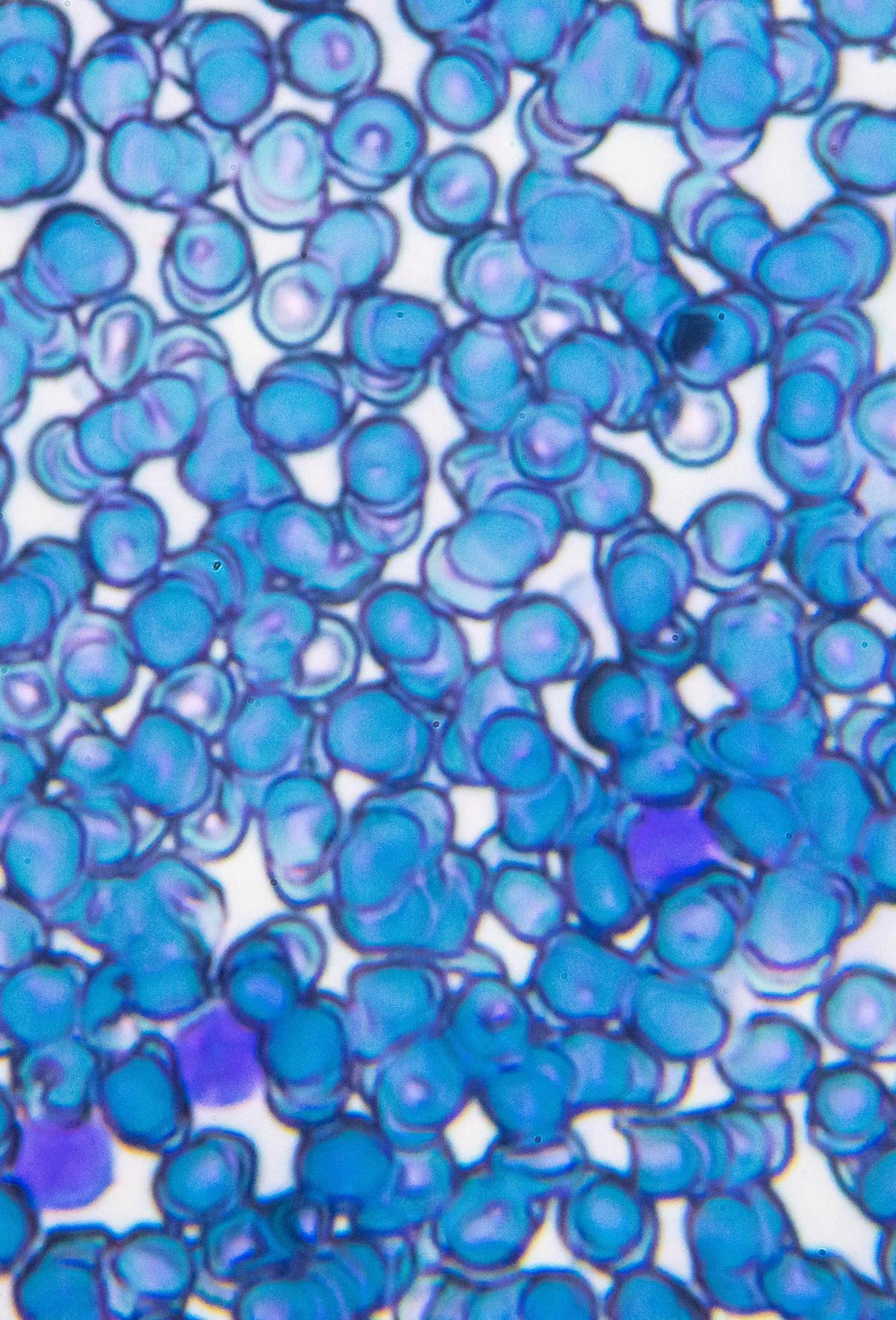
Acute lymphoblastic leukaemia or acute lymphocytic leukaemia is a type of blood cancer that affects the white blood cells and bone marrow. It is a fast-growing cancer. It is the most common type of paediatric cancer. When it affects adults, it is considered challenging to treat
| Photo Credit: Getty Images
Certain kinds of mutations in gene TP53, which encodes the p53 tumour suppressor protein, often dubbed the ‘guardian of the genome’, could perhaps be making acute lymphoblastic leukaemia (ALL) one of the hardest cancers to treat, new research has found.

The study, led by Caner Saygin, assistant professor at the University of Chicago Medicine, was recently published in the Blood Cancer Journal, a press release said.
Published – April 01, 2026 01:31 pm IST
Discover more from stock updates now
Subscribe to get the latest posts sent to your email.