India’s central bank holds benchmark policy rates as Iran war raises inflation risks
Dhiraj Singh | Bloomberg | Getty Images

Economists polled by Reuters had forecast the policy rate to remain unchanged.
The monetary policy committee thinks the intensity and the duration of the conflict, along with the resulting damage to the energy and other infrastructure, pose a “risk to the [India’s] inflation and growth,” Reserve Bank of India Governor Sanjay Malhotra said in his statement.
India’s consumer inflation rose for a fourth straight month to 3.21% in February, up from 2.75% in the prior month. Malhotra said that the country’s food price outlook remained “comfortable in the near term,” while adding that the jump in energy prices due to the Middle East conflict risk to inflation.
While the country has seen sharp growth and continues to be the world’s fastest growing large economy, expanding at a higher-than-expected 7.8% in the December quarter, the Iran war threatens to crimp its growth as well.
India’s Chief Economic Advisor V. Anantha Nageswaran last month had also warned that growth forecast of 7.0%–7.4% for the financial year ending March 2027 faces “considerable downside” risk due to rising energy costs and supply‑chain disruptions linked to the war.
Nageswaran said the Middle East conflict would disrupt supplies of key commodities such as oil, gas, and fertilizers, push up import prices, and raise logistics costs, which would have an impact on both growth and inflation.
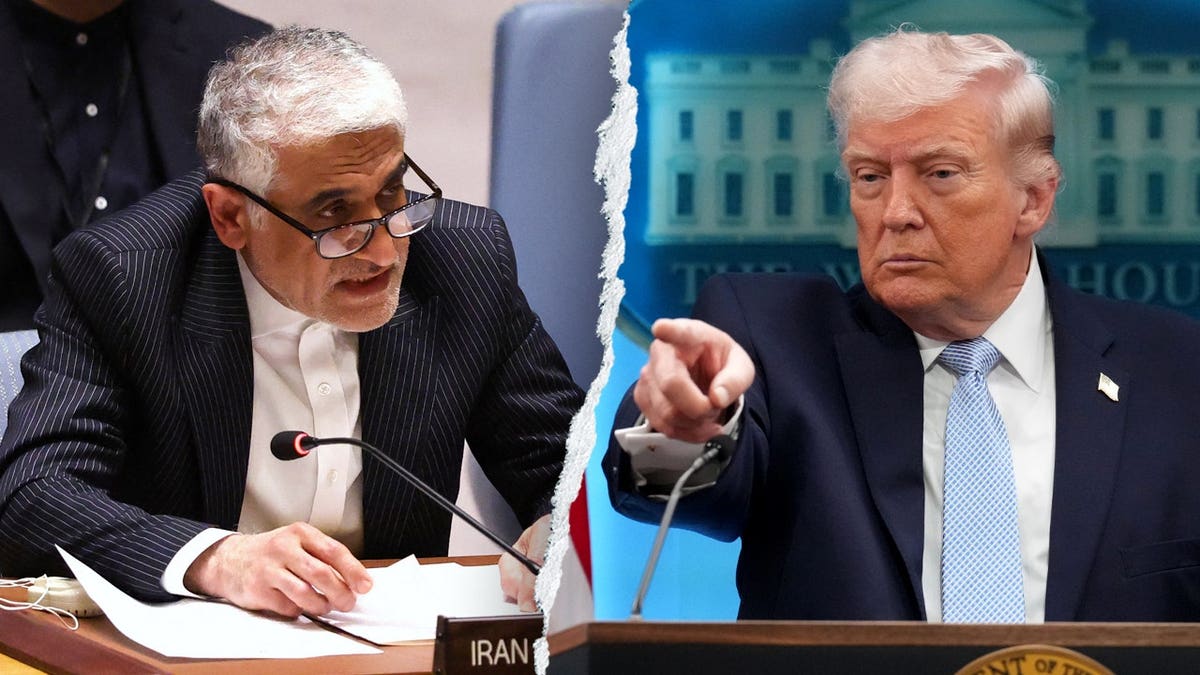
The conflict, which began on Feb. 28 following U.S. and Israeli strikes on Iran, has disrupted movement of goods through the Strait of Hormuz — a critical waterway carrying 20% of global oil — driving up energy and freight costs and straining supply chains.
In a temporary relief, U.S. and Iran agreed to a ceasefire earlier in the day, with Tehran saying that safe passage of ships was “possible” for the next two weeks in coordination with the country’s armed forces.
Signaling growth worries, HSBC flash Purchasing Managers’ Index compiled by S&P Global showed that India’s private sector activity in March slowed to its lowest level since October 2022. Companies surveyed indicated that the Middle East war, unstable market conditions, and inflationary pressures had “dampened growth.”
Discover more from stock updates now
Subscribe to get the latest posts sent to your email.