What is space-based solar power?

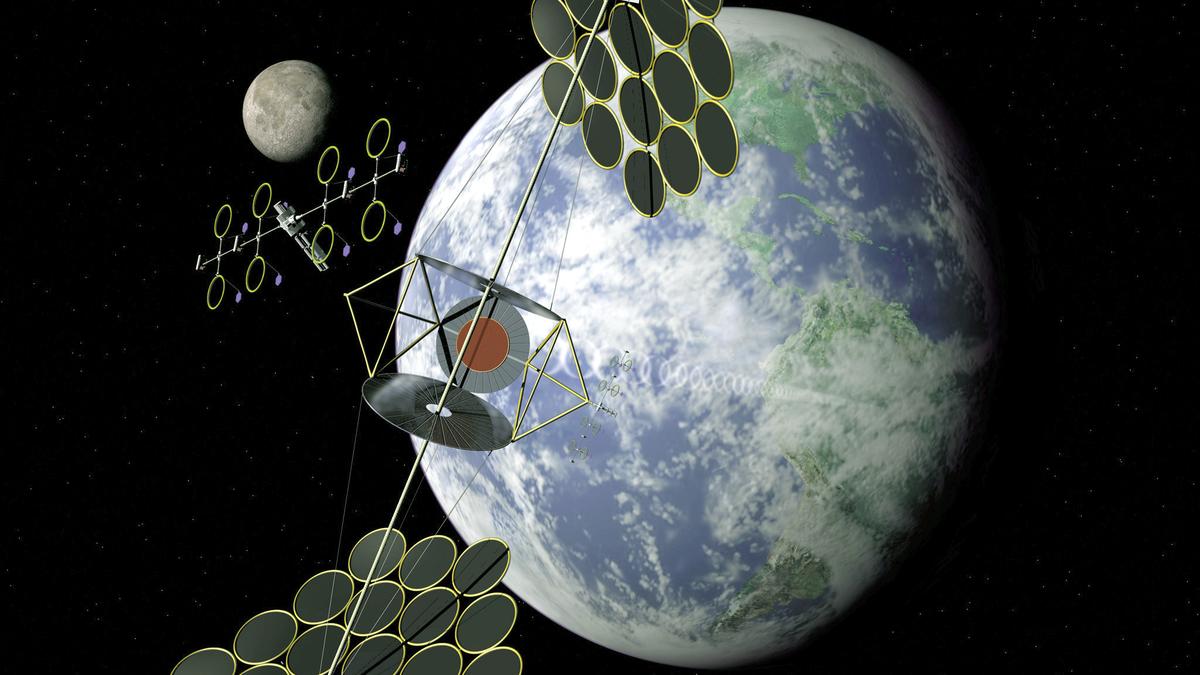
A conceptual illustration of a satellite collecting solar energy in earth orbit and beaming it down as microwaves.
| Photo Credit: NASA

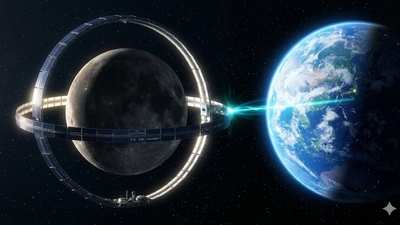
If space-based solar power sounds like science fiction, it is exactly that. The concept involves launching large arrays of satellites to collect sunlight 24/7, and beaming the energy to the earth as microwave radiation. The corporation’s plans are slightly different — they involve facilities on the lunar surface rather than in earth orbit — but otherwise involve the same physics.
Unfortunately for supporters of the idea, there are daunting hurdles.
The cost of space-based solar is staggering. Even if rocket launch prices drop significantly, engineers must still transport thousands of tonnes of hardware into orbit (or the moon). Building a single functional power plant is an unprecedented logistical feat. Once operational, the system must beam power through the atmosphere, a process that will lose significant energy as heat.
In orbit, a single collision with space debris could cripple a billion-dollar array, turning it into junk. Maintenance will also be extremely expensive on the moon.
Terrestrial solar and battery storage are also getting cheaper and more efficient every year, making it hard to justify a complex and risky orbital or lunar facility. For now, space-based solar remains an idea trapped in poor economics.
Published – April 07, 2026 12:25 pm IST
Discover more from stock updates now
Subscribe to get the latest posts sent to your email.