



Why do octopuses have a ‘mating arm’?

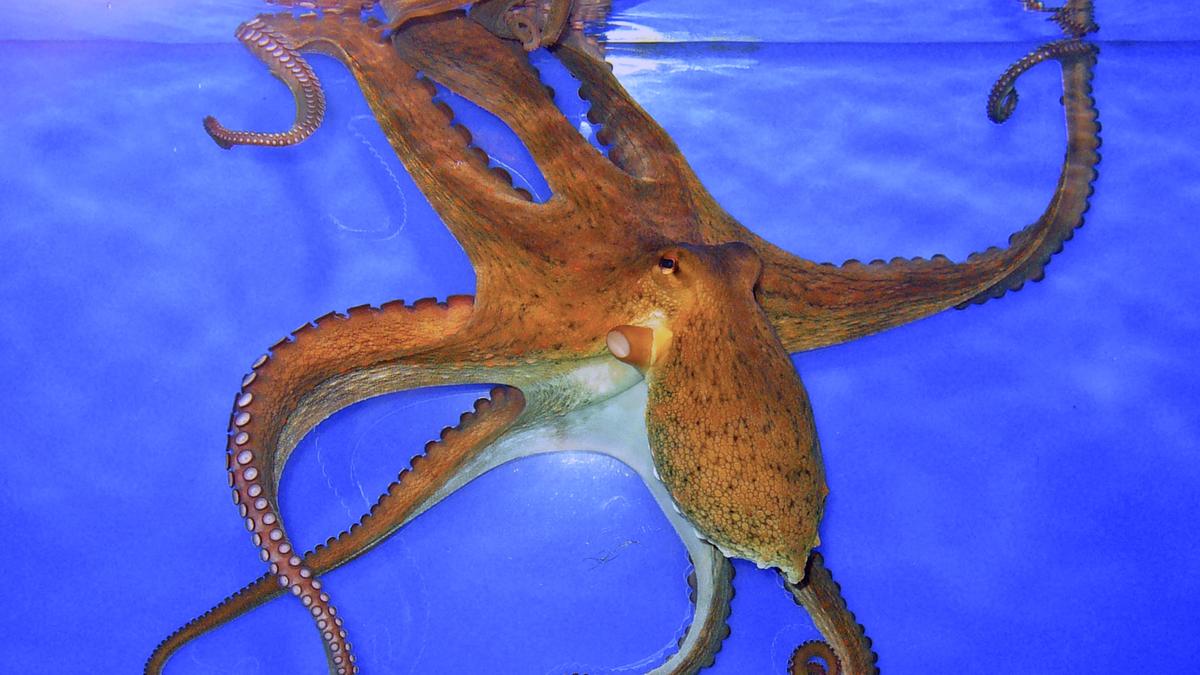
Researchers have found that male octopuses have a specialised arm, known as the hectocotylus, as a sophisticated sensory organ to identify females.
| Photo Credit: H. Zell (CC BY-SA)

Now, researchers have found that male octopuses have a specialised arm, known as the hectocotylus, as a sophisticated sensory organ to identify females. Scientists previously thought this arm served as a tool to deliver sperm, but the new work has revealed that the hectocotylus actually ‘tastes’ the female by touching her.
Specifically, the hectocotylus detects progesterone, a hormone found in the female’s reproductive tract and skin. Once it does, the male locates the oviduct for insemination. And the hectocotylus allows males to do this even in complete darkness.
The researchers also found a receptor called CRT1 that triggers mating behaviour. CRT1 evolved from ancient neurotransmitter receptors and today serves two purposes. While the octopus uses similar receptors to hunt for prey by sensing chemical compounds on the seafloor, CRT1 has also specialised over millions of years to recognise progesterone with a high affinity.
By analysing various cephalopod species, the team found that this evolutionary innovation is a widespread trait across both octopuses and squids and that it merges sensory assessment and gamete delivery into a single appendage, allowing the octopuses to reproduce efficiently during their brief encounters.
The findings also highlight how small changes in protein structures can help organisms develop complex new behaviours, and contribute to the already vast biodiversity of the oceans.
Published – April 05, 2026 03:45 pm IST
Discover more from stock updates now
Subscribe to get the latest posts sent to your email.