The great Indian menswear shift
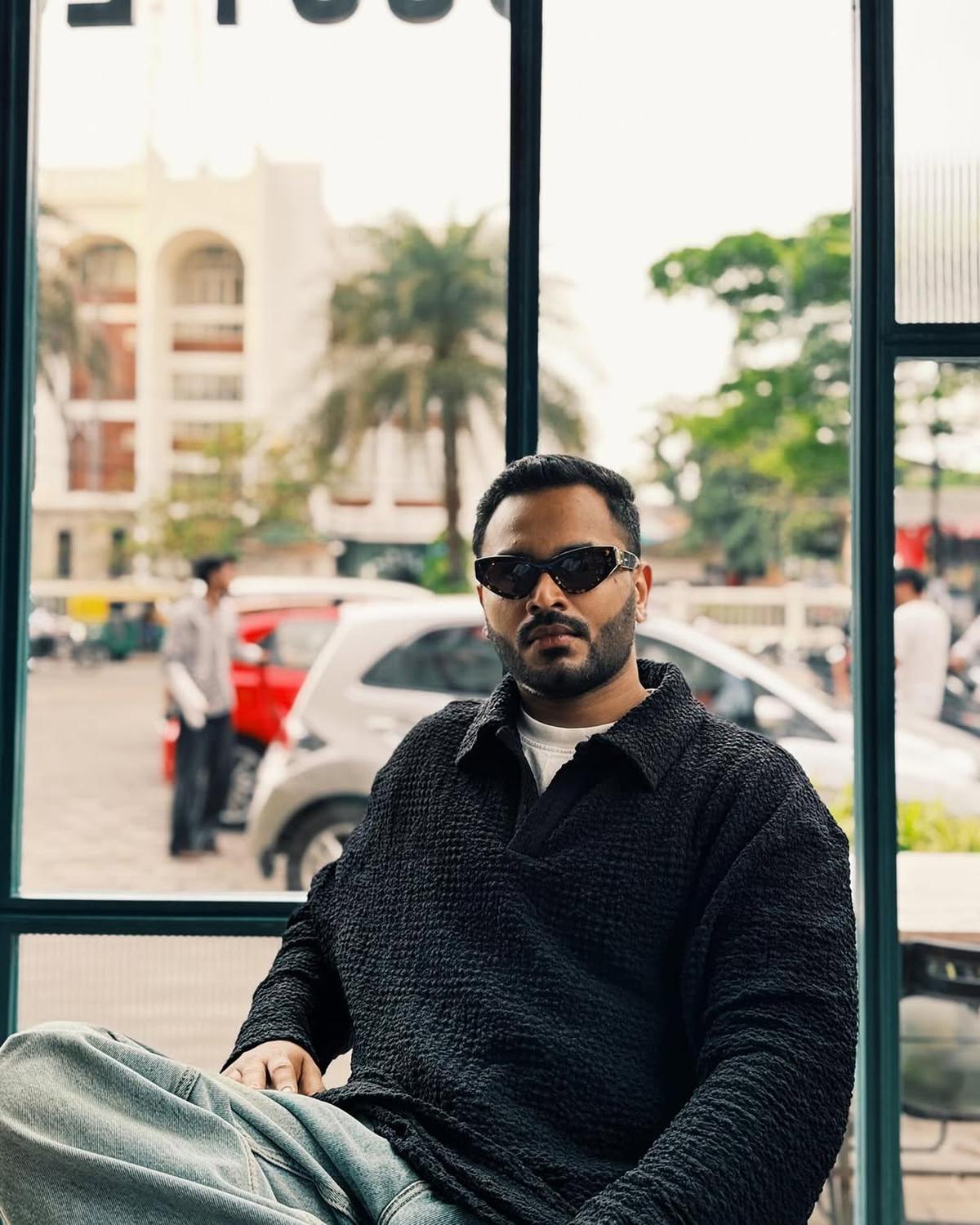
The shift has been building for years, accelerated by social media, a new-age cohort of Indian designers, and a post-pandemic reckoning with personal identity. “Today, many Indian men across age groups are quite aware of cuts, colours and styles that suit their body types. And they put in more effort to dress,” says Selman Fazil, a menswear stylist and former style editor at GQ India.
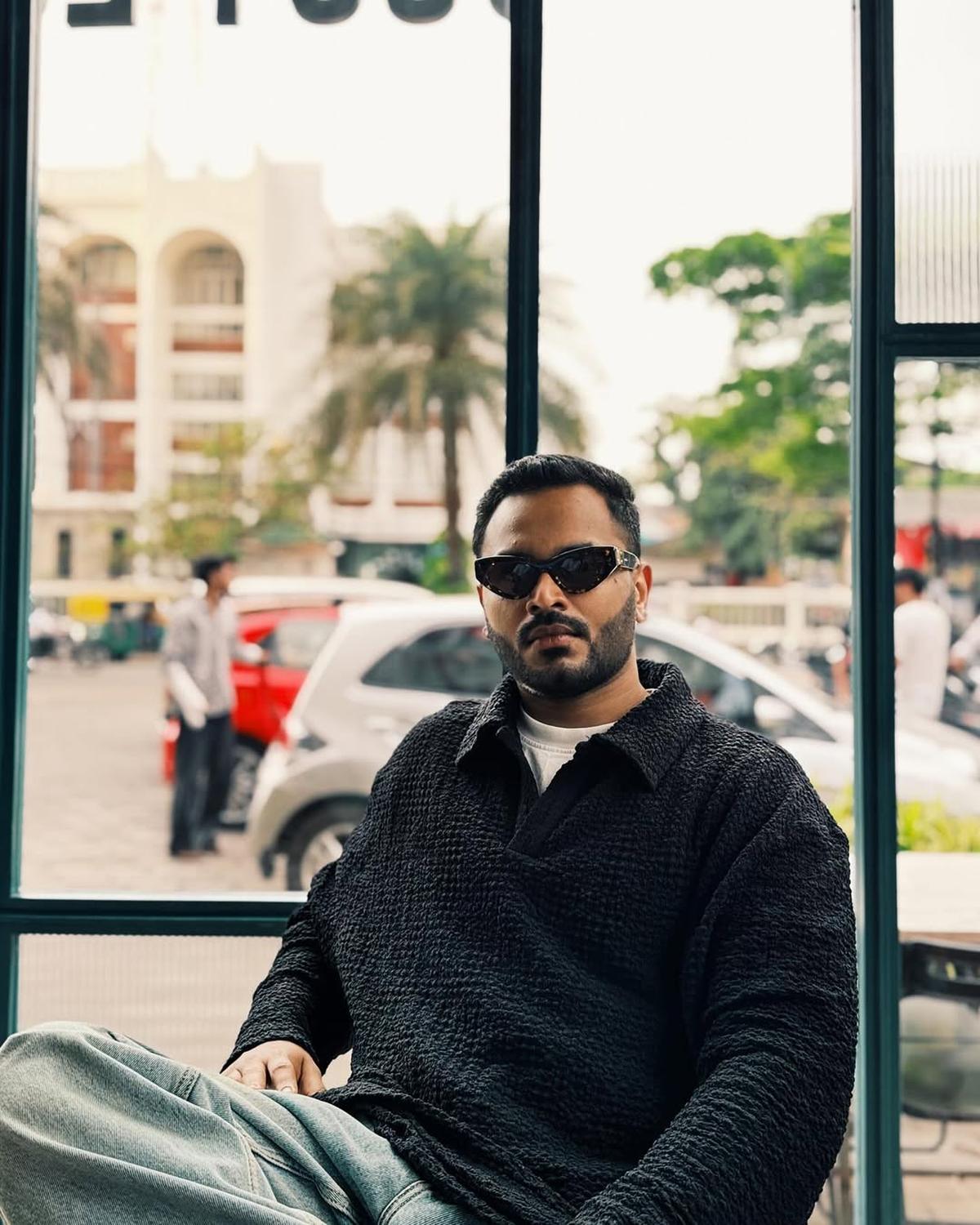
Selman Fazil, a menswear stylist
Whether it is something as minor as my former boss’ harlequin socks that he diligently switches for the office each day, or as major as Telugu actor Vijay Deverakonda’s jazzy wedding wardrobe — where his bracelets and choice of colours and embroidery created more conversation than his bride Rashmika Mandanna’s — gone are the humdrum neutrals of yore.
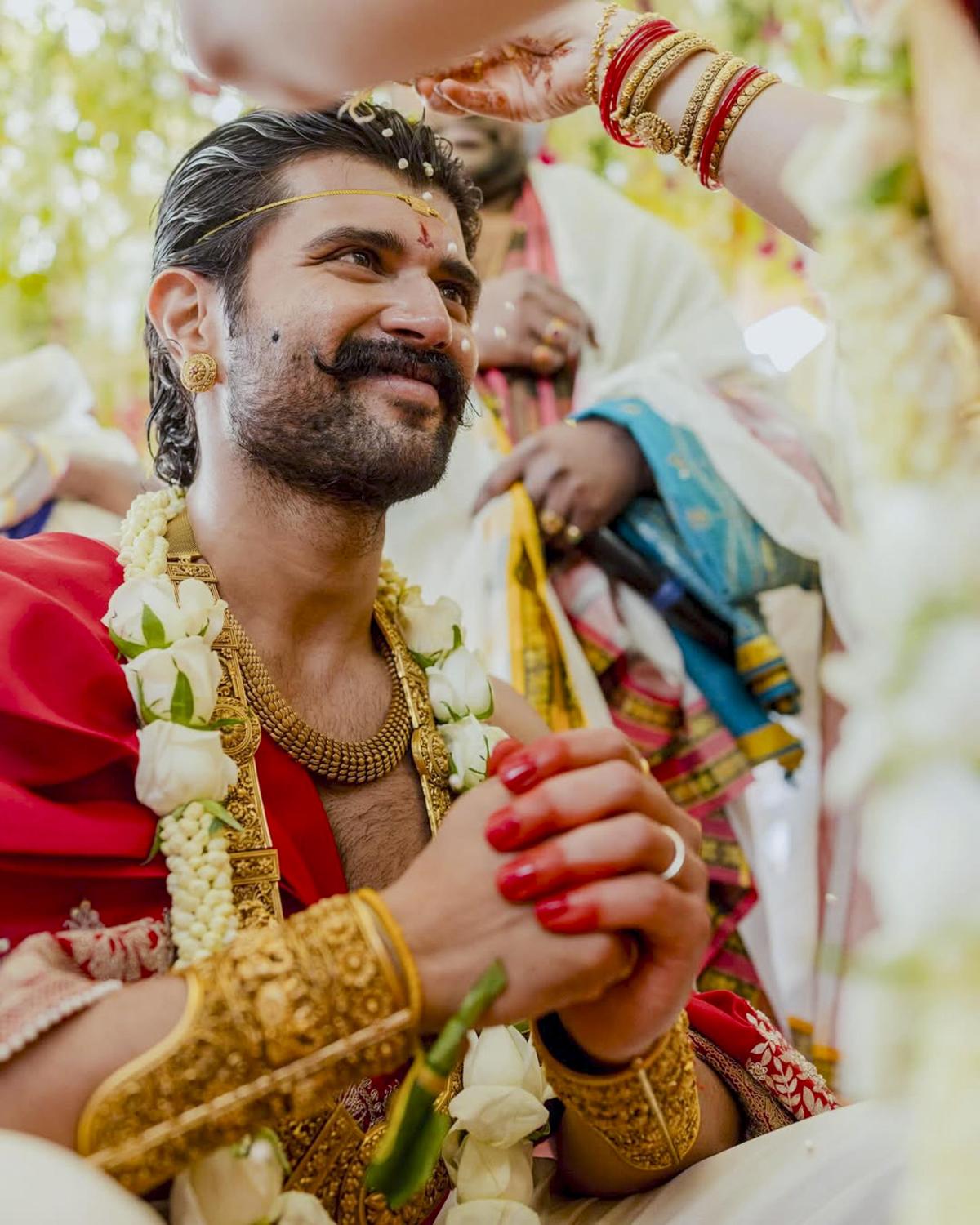
Actor Vijay Deverakonda during his wedding
| Photo Credit:
PTI
This flip was unmistakable at last month’s LFW Fall/Winter edition. ‘The Boy’s Club’ showcased stellar menswear designers from across the country, from Sushant Abrol’s Countrymade and Vivek Karunakaran, to Sahil Aneja and Dhruv Vaish. Their collections, though wildly different in sensibility, were united by the singular preoccupation of how men want to be perceived today.
Martial chic to temple jewellery
Abrol’s martial Countrymade acknowledged the times we are living in — and remembered his brother, who served in the armed forces — with models wearing bronze-washed denims, textured Gandhi caps and jerry can-inspired bags as they walked pensively to a score reminiscent of a surreal war zone. The designer, who once headed menswear for Rohit Bal, recalls noticing a vacuum. “Grooms were planning their pre-wedding vacations and post-wedding parties too, but the brand [Rohit Bal] wasn’t catering to that at the time,” he says.
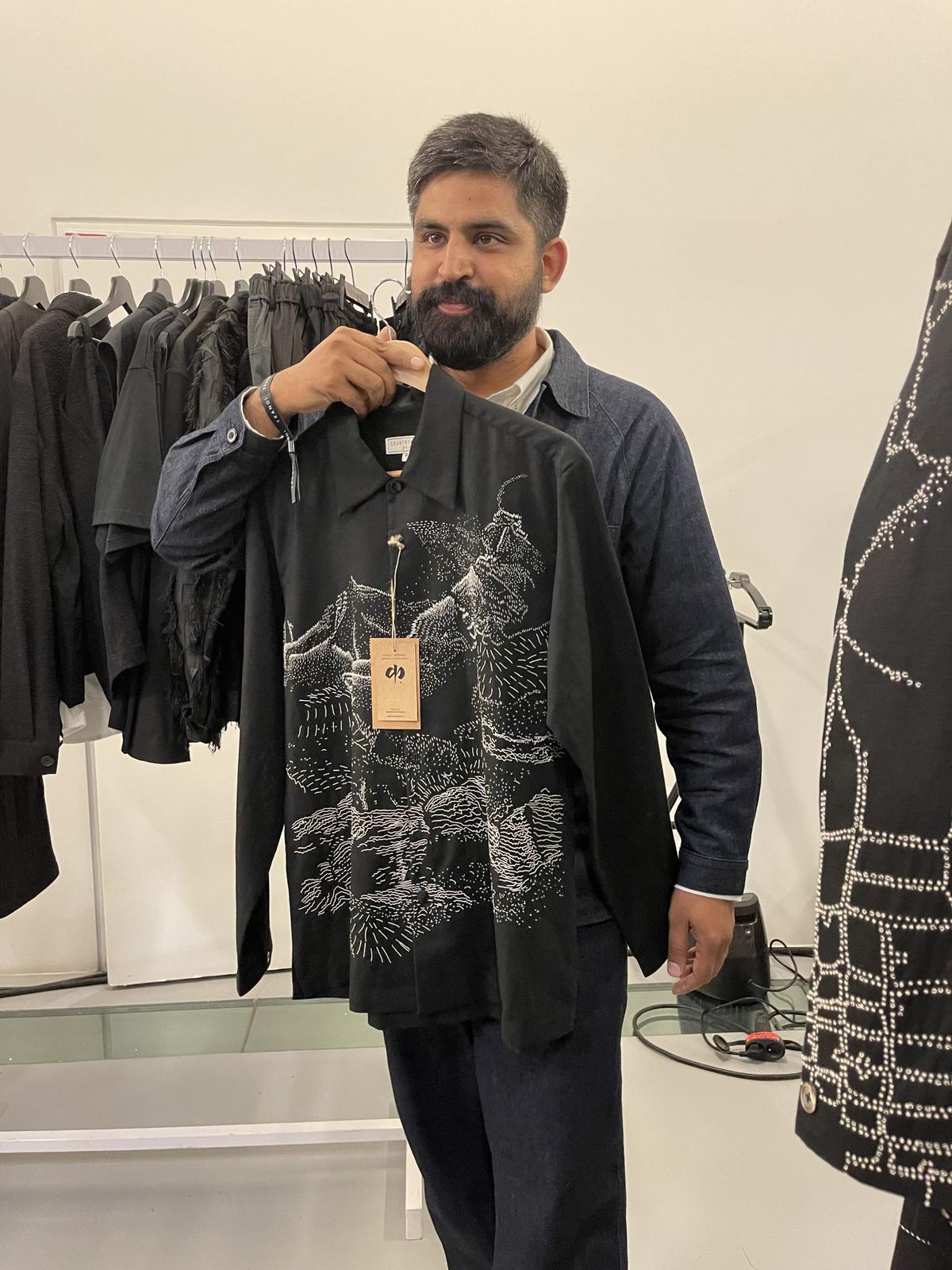
Sushant Abrol of Countrymade
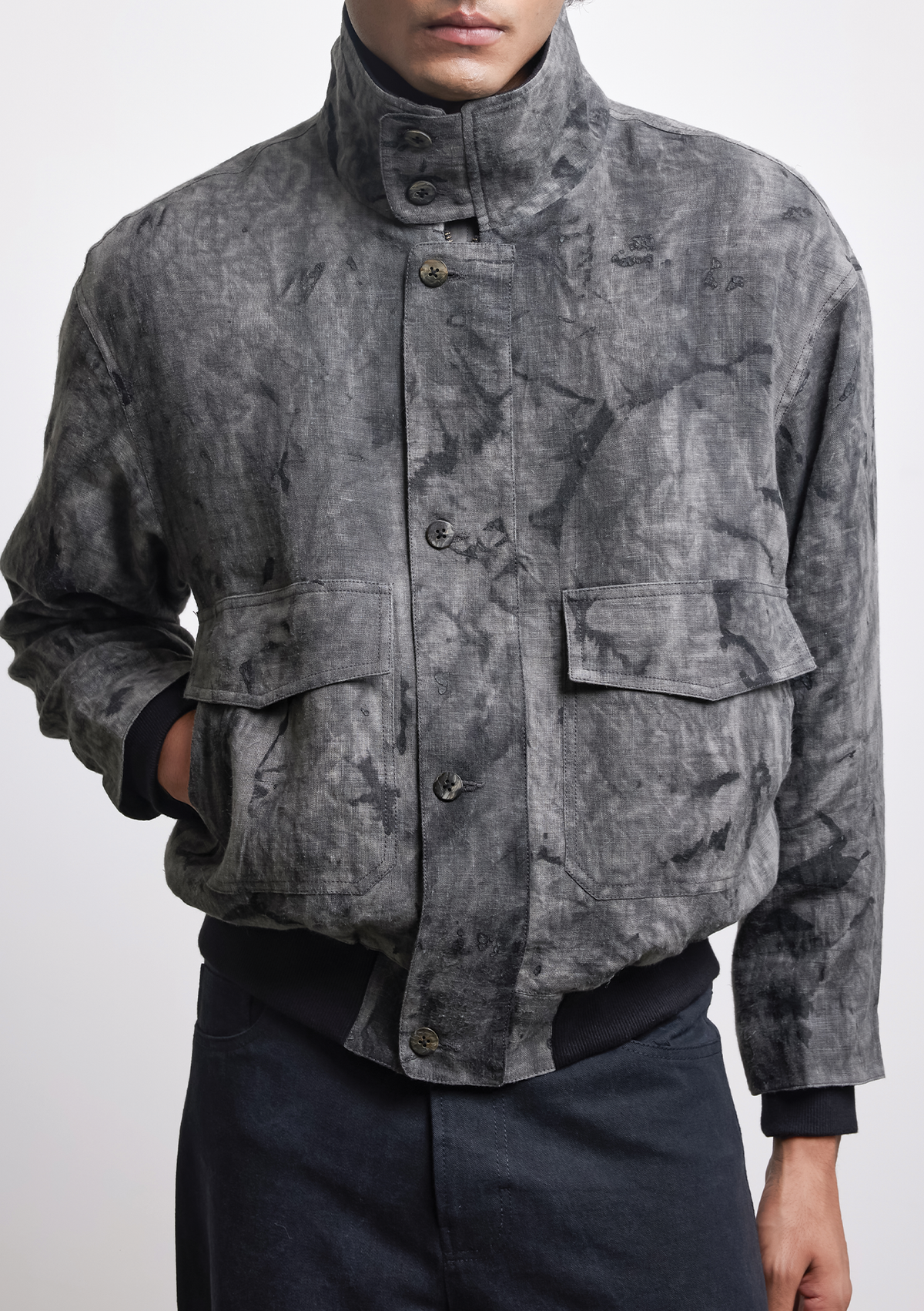
A Countrymade outfit

So, when he started his own label, coincidentally on the same day he lost his brother to conflict, he decided to dress men “for the everyday — with global context, but without being preachy”. This also means paying more attention to customisation. For instance, Abrol made a matching outfit for a groom’s dog recently!
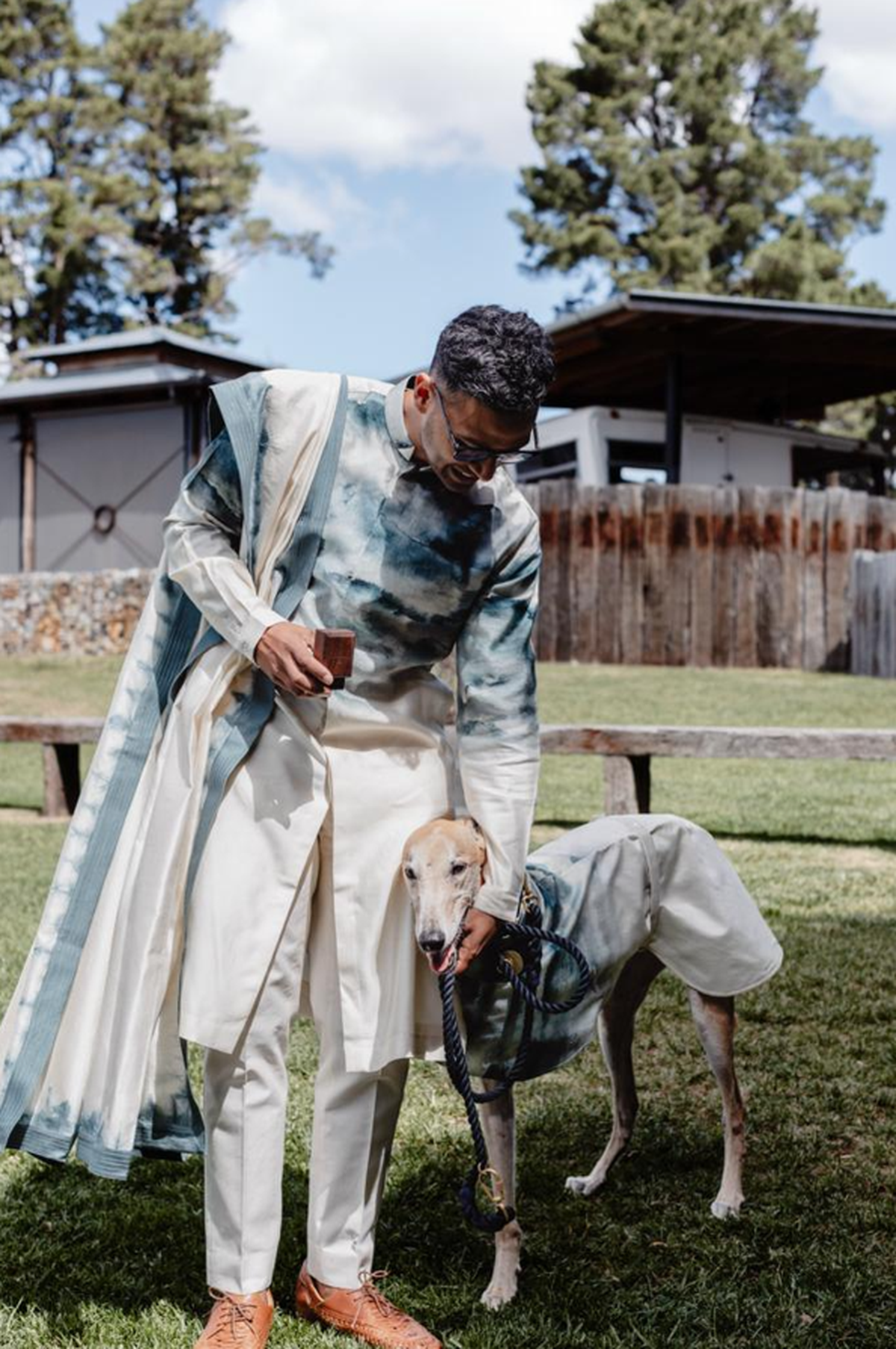
Abrol made a matching outfit for a groom’s dog
In stark contrast, the artisanal Karunakaran paired elaborate veshtis with bomber jackets in tussar silk and Kanjeevaram, accessorised with Kolhapuris and temple jewellery. “For the longest time, at Indian fashion weeks, the South [of India] wasn’t taken very seriously,” he says. “Since my debut at Lakmē in 2007, I have been committed to grounding my work in my cultural sensibilities, and telling our story without diluting it.” Hence, jasmine flowers, temple architecture, Madras checks and Tamil script find their way into his clothes. “Beyond weddings, I’ve always wanted men to embrace these elements,” he adds.
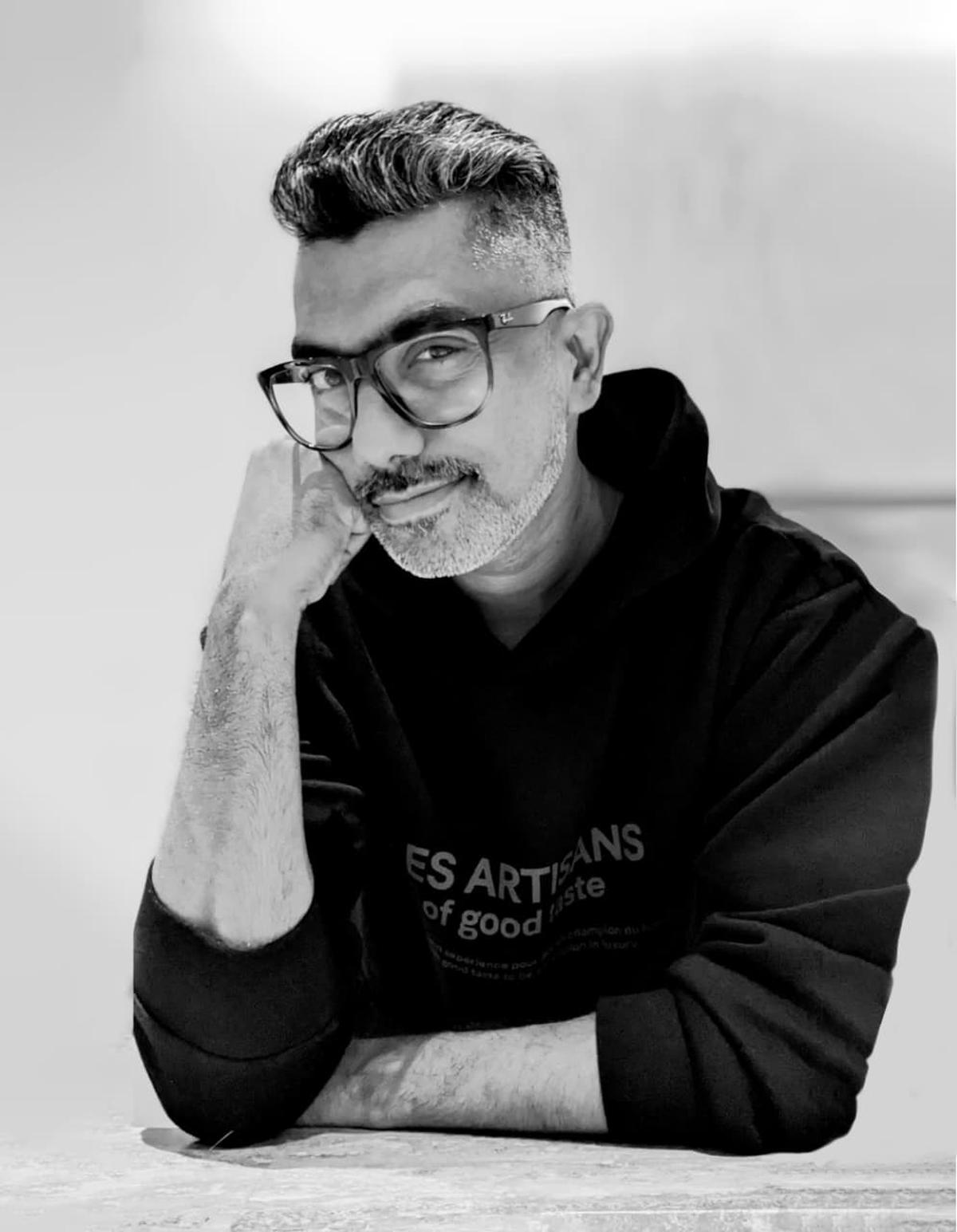
Vivek Karunakaran
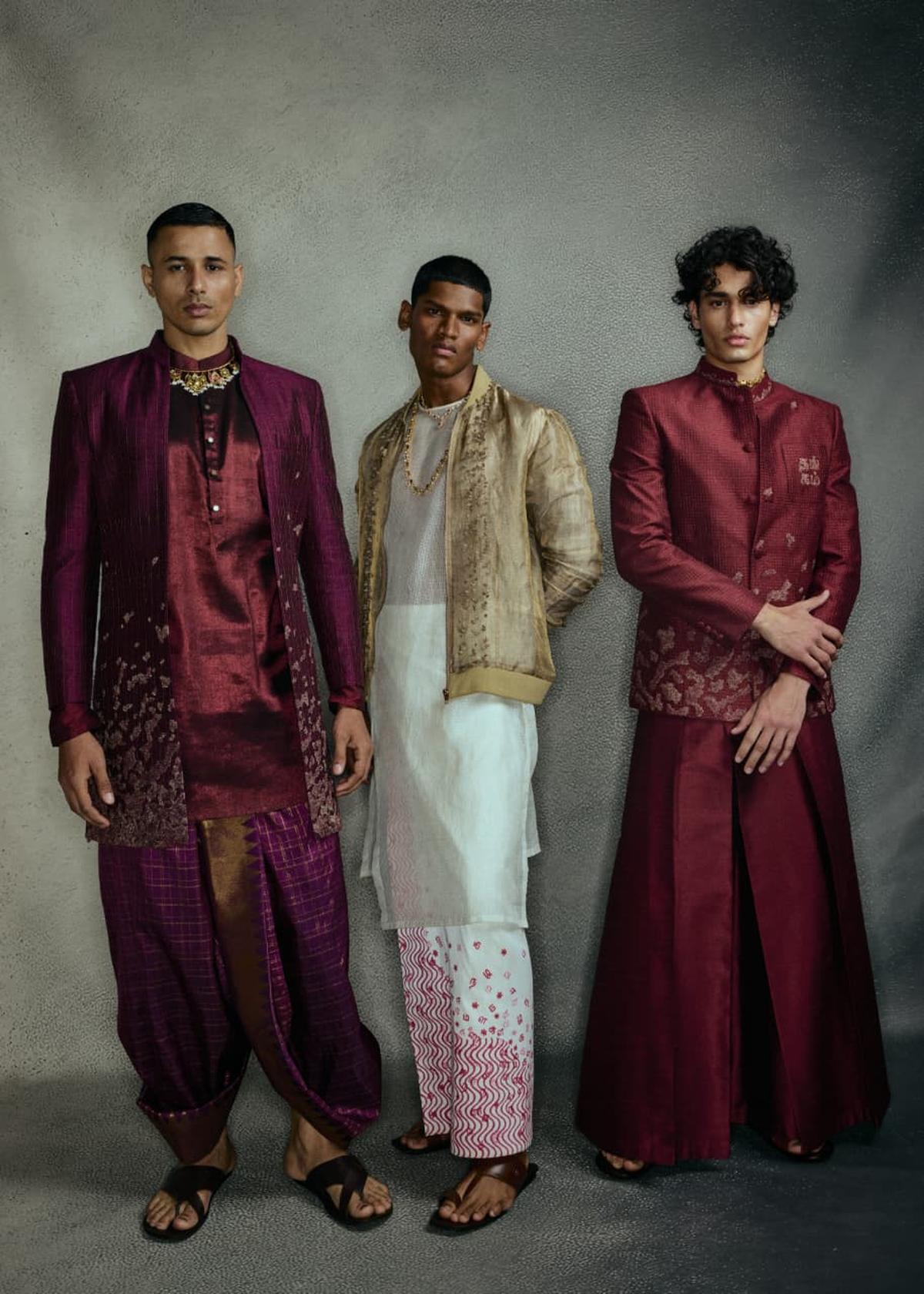
Karunakaran paired elaborate veshtis with bomber jackets in tussar silk and Kanjeevaram
For his business-casuals, Aneja styled graphic shorts with embellished blazers and hot pink socks. At the same time, Vaish reinterpreted neutral hues into matching sets of architectural monochromes fit for work and play. All of them created garments not bound by occasion, yet the show steered clear of overtly androgynous silhouettes.
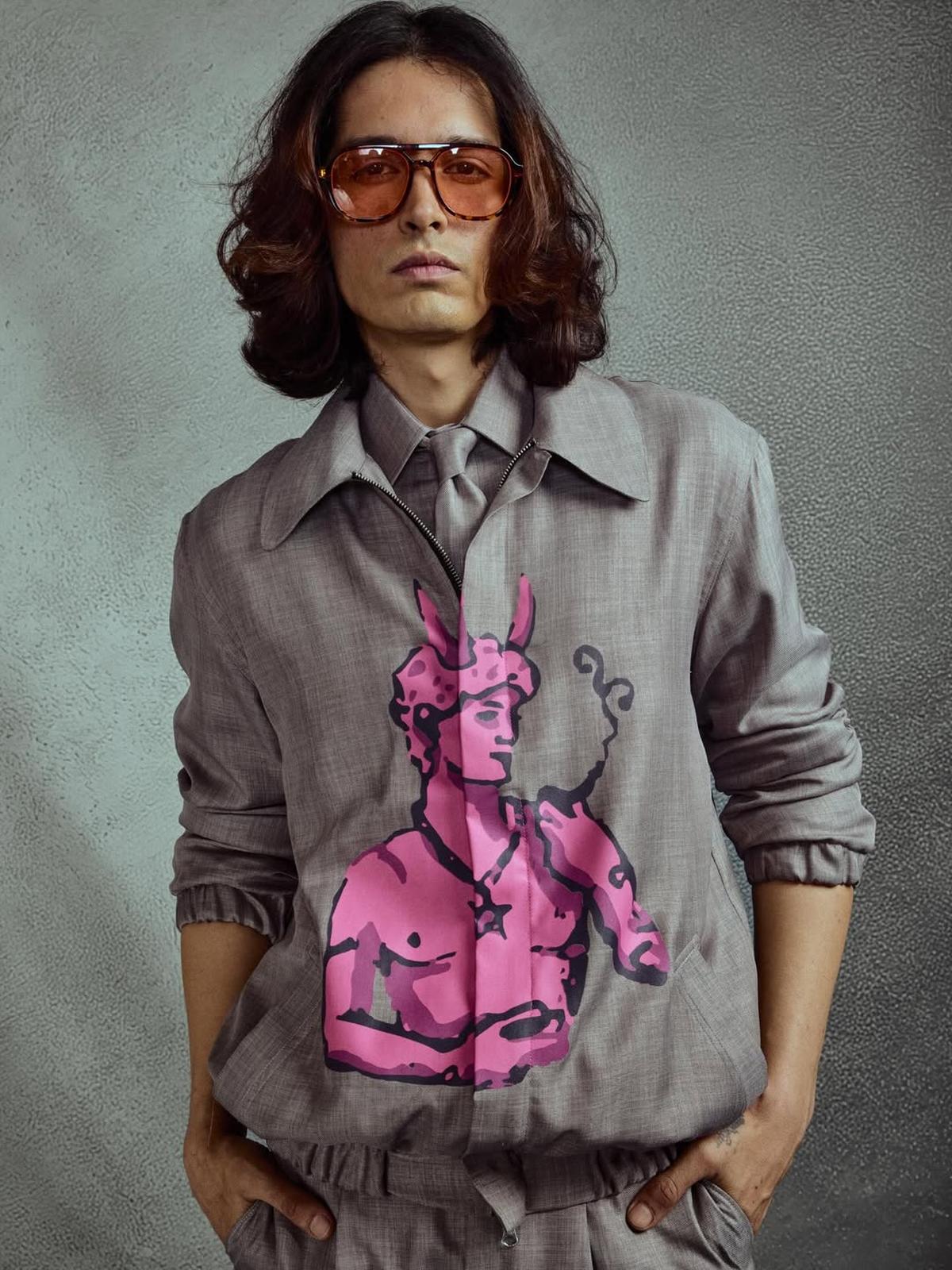
A Sahil Aneja outfit
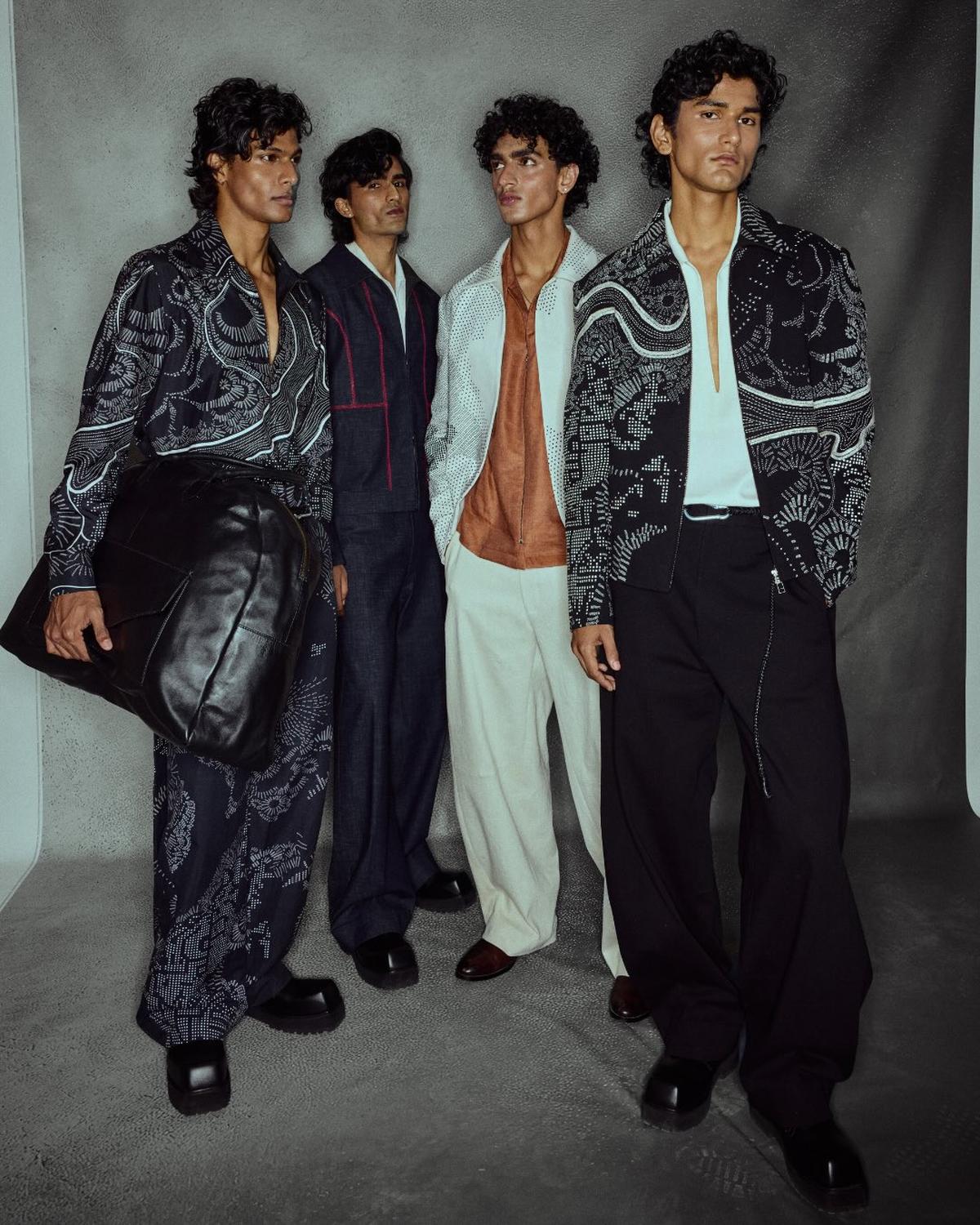
Dhruv Vaish’s designs
Massive potential
According to Euromonitor International, India’s men’s luxury apparel market is expected to grow at a CAGR (Compound Annual Growth Rate) of 3.4% to reach $163.1 million by 2028, up from $142.7 million in 2024. Furthermore, the country hosts approximately 10 million weddings annually, making it the world’s largest wedding industry. This also suggests massive potential for traditional menswear, with the likes of Manyavar and TASVA serving a larger audience that is getting more conscious about their style.
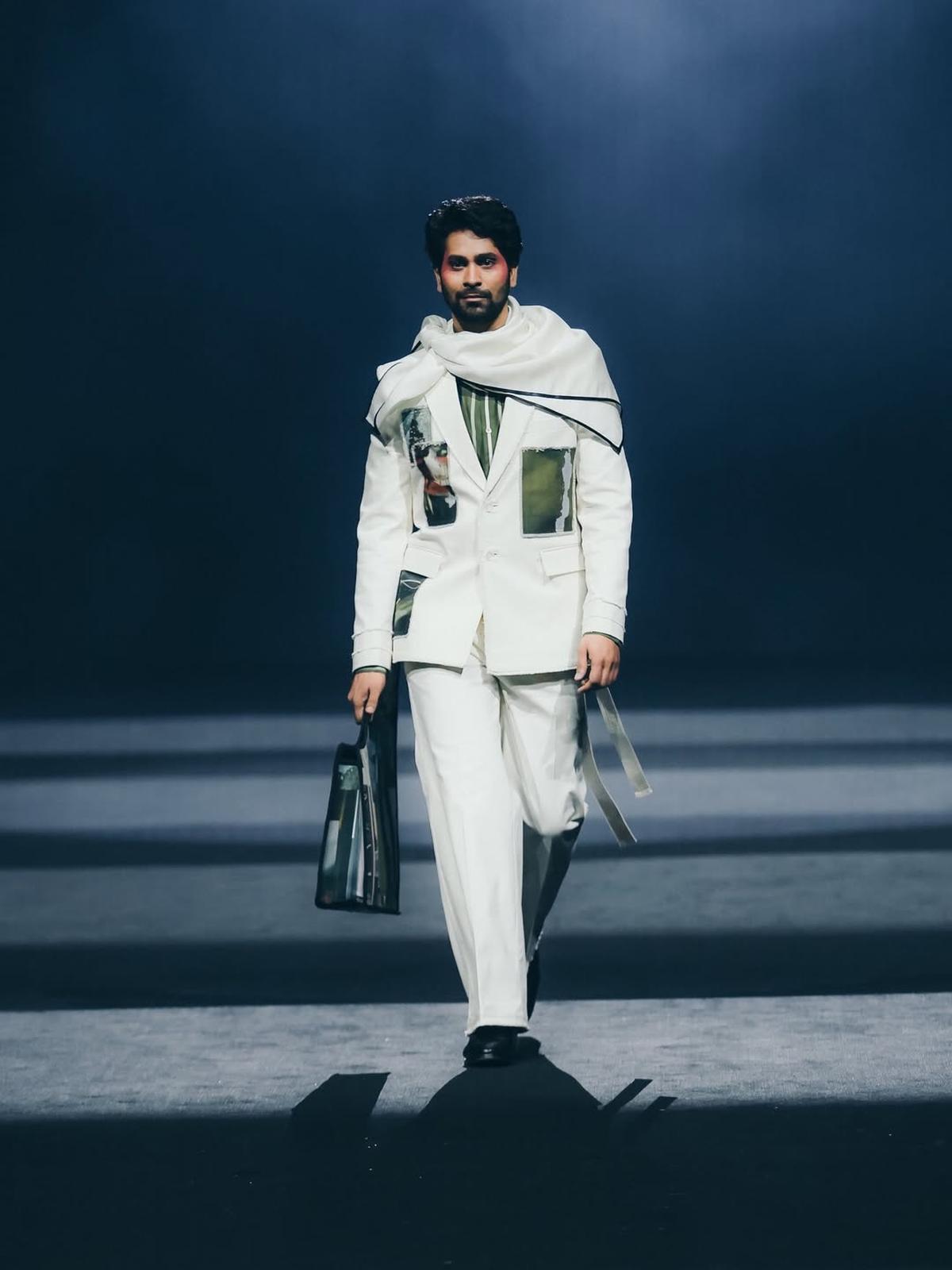
Style become adventurous
For the first time in my years attending Lakmē Fashion Week, the energy among men in the audience was electric. More than observing, they were shopping the runway in real-time, displaying a decisive hunger for the new collections. “Usually, I’m just here for networking,” shares a tech executive after The Boy’s Club show. “But I saw a few looks I’d wear to a board meeting — and my Gen Z employees would likely consider me cool.”
There are multiple factors contributing to men dressing more intelligently and being more personality-forward with their style, according to Rohan Nayyar, menswear merchandiser at the multi-label chain Ogaan. “We have more Indian-origin designers showing exceptional menswear globally, with the likes of Kartik Research and Dhruv Kapoor. Men are getting styled for their weddings more than ever,” he says. “And the ones who were once content with a simple powder blue shirt and trousers, or a printed T-shirt and straight-fit jeans, have become more aware of international trends and how they look and present themselves within that context.”
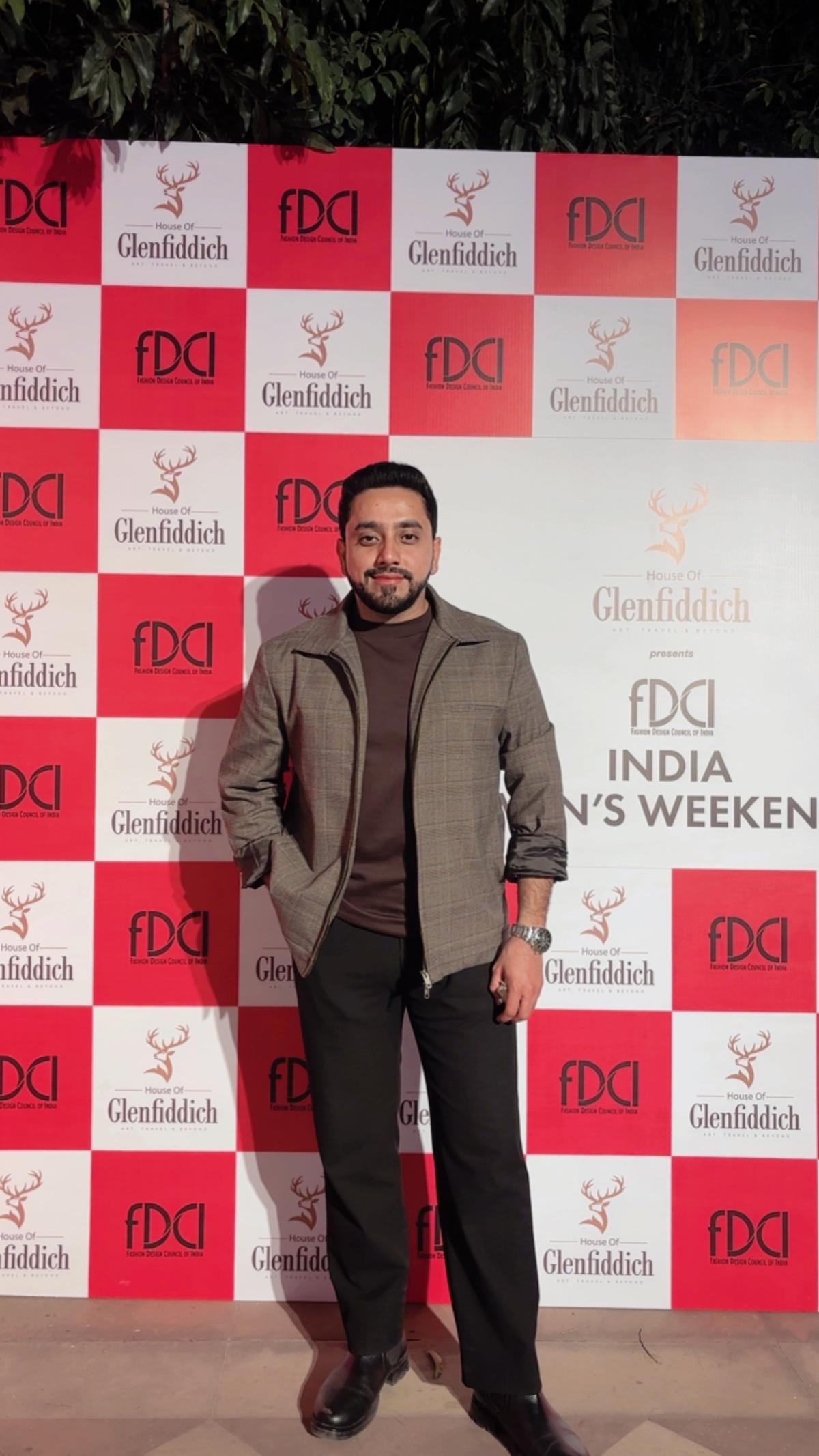
Rohan Nayyar
The once-reliable costumes of well-heeled Indian men are now decaying at the seams. “I recall my mother recounting a Diwali party she attended, where the host pointed to his outfit and asked, ‘Do you recognise this kurta? I bought it 20 years ago at Ensemble.’ That summarises what men’s fashion used to be like,” says Aria Parikh, head of marketing at the multi-designer retail platform Ensemble, and daughter of its executive director Tina Tahiliani Parikh. “Functional, a little bit boring if I’m being honest, and the kind of thing you could wear indefinitely.” She is quick to add that while the classic side hasn’t disappeared, those who are interested in style have become adventurous.
Aria also noticed many designers, primarily known for their womenswear, leaning into menswear this season. AK|OK by Anamika Khanna, who introduced menswear this season, kept all the pleats in their men’s trousers — with multiple women at the show wanting a pair for themselves. “We are presenting a line of fluid garments,” states Khanna.
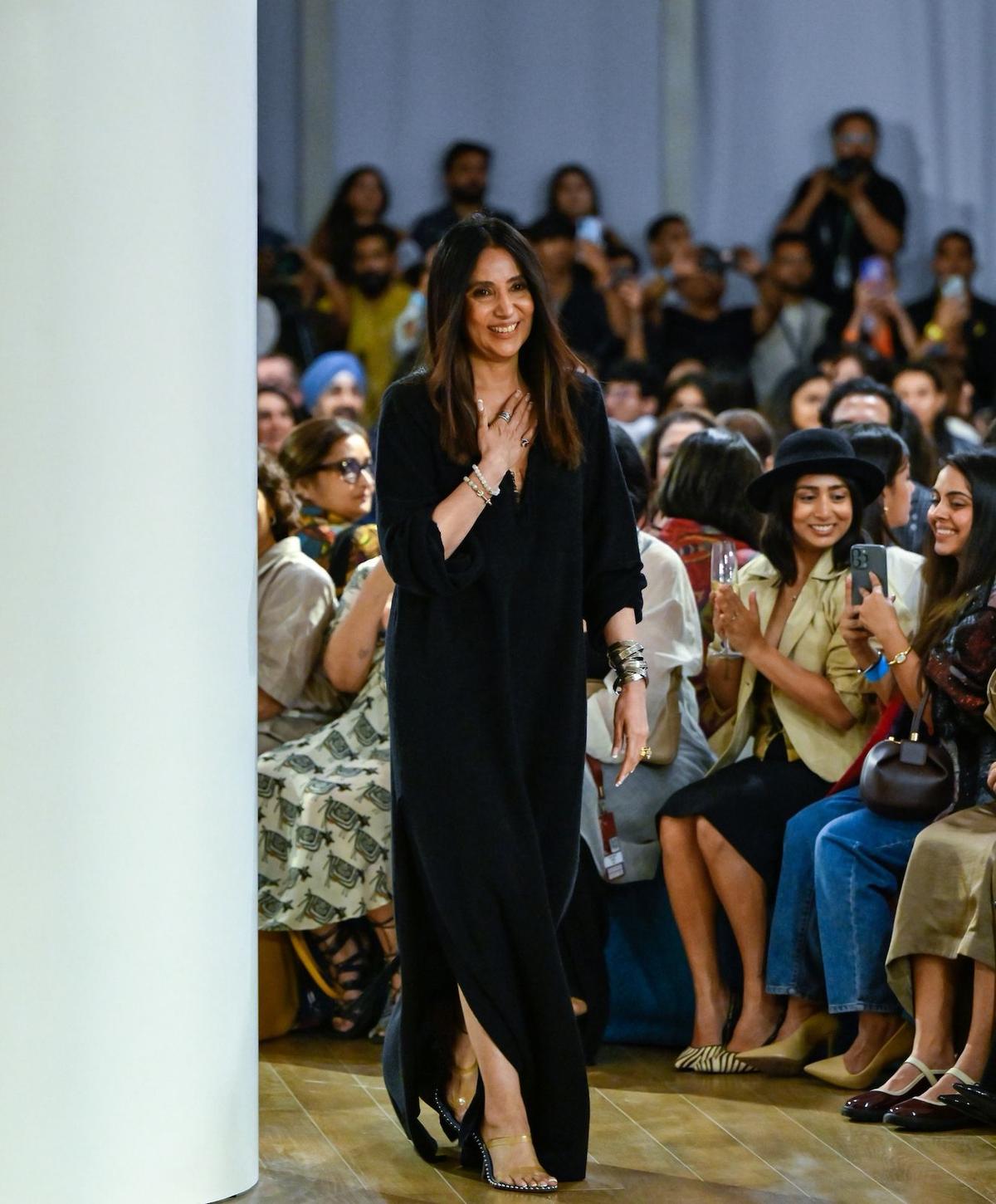
Payal Pratap, who also debuted menswear, conjured a monochromatic cyanotype dreamscape with embroidered denim and an abundance of ties. Amit Aggarwal (who launched his men’s line in 2018) injected his baroque sombreness and sculptural contours into jackets and blazers. “The collection unfolded as a dialogue between craft, innovation and emotion. In menswear, we combined structured bomber jackets with fluid tuxedos, allowing the tailoring to move naturally,” says Aggarwal.
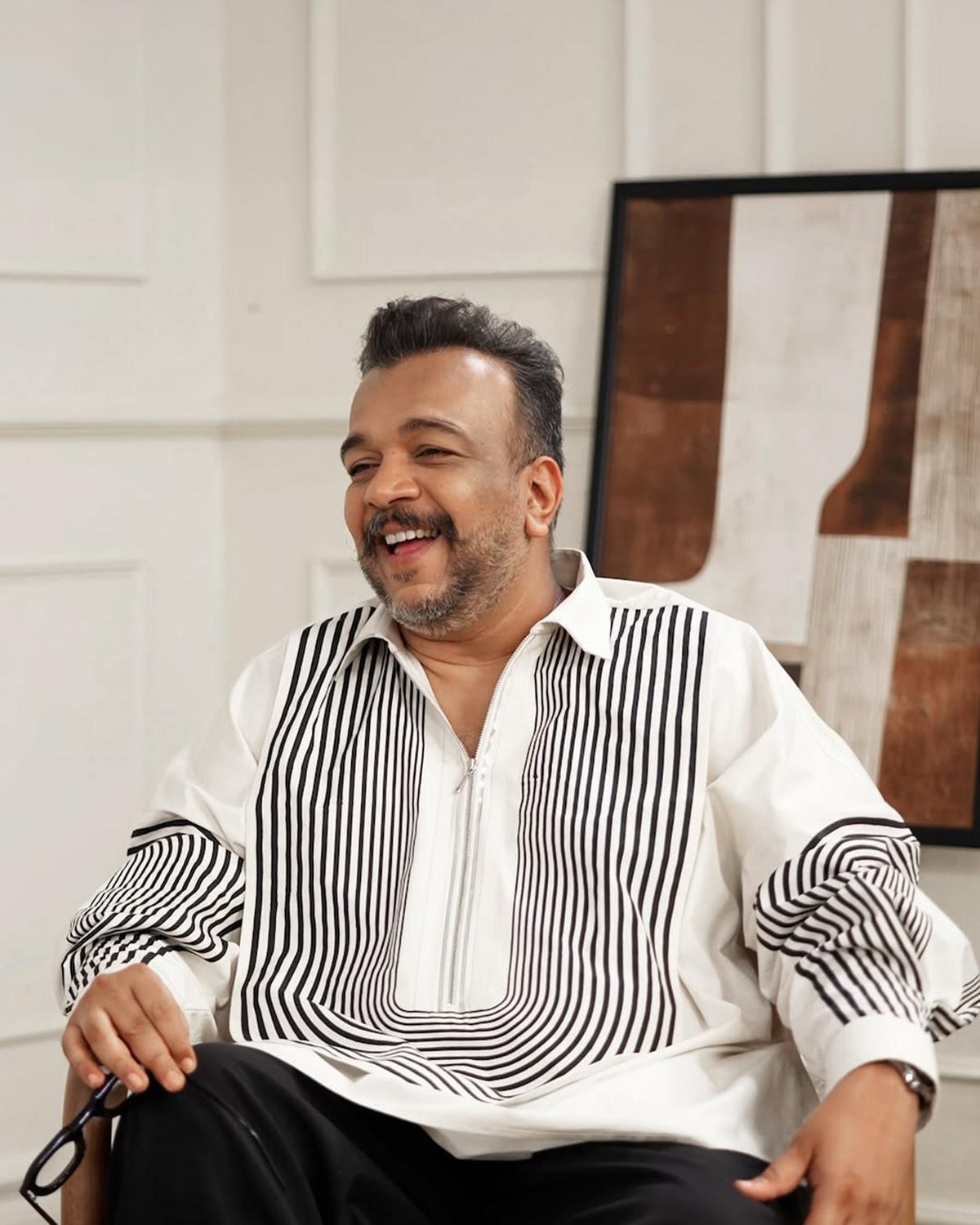
Amit Aggarwal
Focus on comfort and silhouettes
Innovation was at the heart of many offerings. Take, for instance, Varshne B.’s CRCLE, winner of the R|Elan Circular Design Challenge. The Chennai-based designer showed korai grass purses, vegan wool shirts, and quilted khadi coats. Line Outline by Deepit Chugh had sparkles and fringes juxtaposed with suits and shirts. Taarini Anand incorporated distinctive Indian motifs inspired by the Ajanta Caves into knitwear and kantha that gave a rooted spin to sweater weather. And Anurag Gupta’s collection, with exaggerated proportions, gestured boldly at the future.
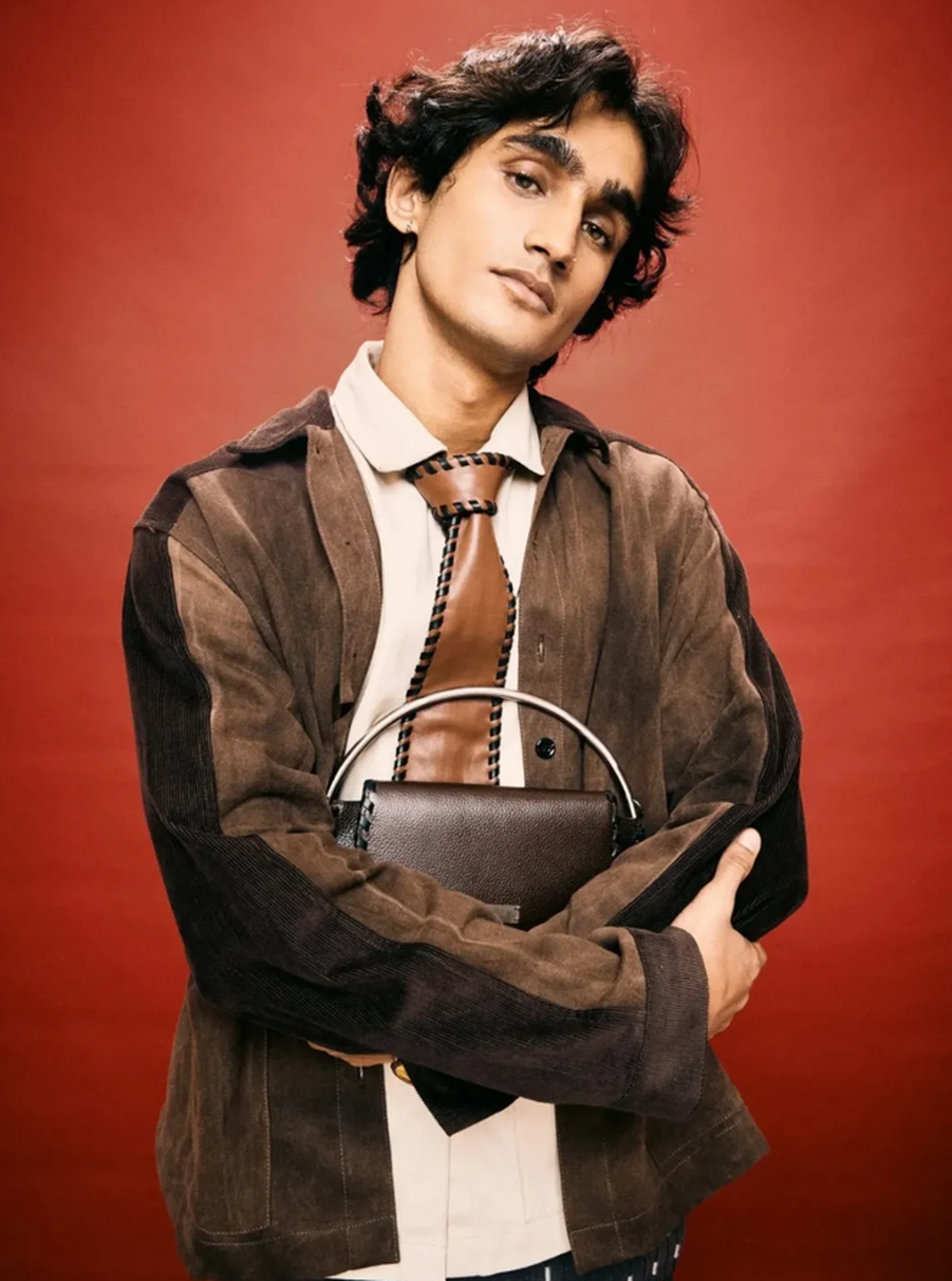
Varshne B.’s design for CRCLE
But the biggest takeaway was the clear shift towards “layering, relaxed styling, and overall wearability”, says Piyush Pandey, head of marketing and e-commerce at TASVA, a collaborative brand between designer Tarun Tahiliani and Aditya Birla Fashion and Retail Ltd. Launched in 2021, it has over 65 stores across the country. “There’s a strong focus on comfort-driven fabrics and lean yet easy silhouettes that balance structure with ease,” he adds. “At the same time, there’s a renewed emphasis on craftsmanship, particularly in detailed embroidery.”
It is probably this patchwork of sensibilities that culminated in Kartik Research’s India debut with separates that could sneak into the most mundane wardrobe and refurbish it. Think handspun khadi, brocades and Rabadi embroidery explored in shirts, trousers, culottes and jackets with relaxed silhouettes.
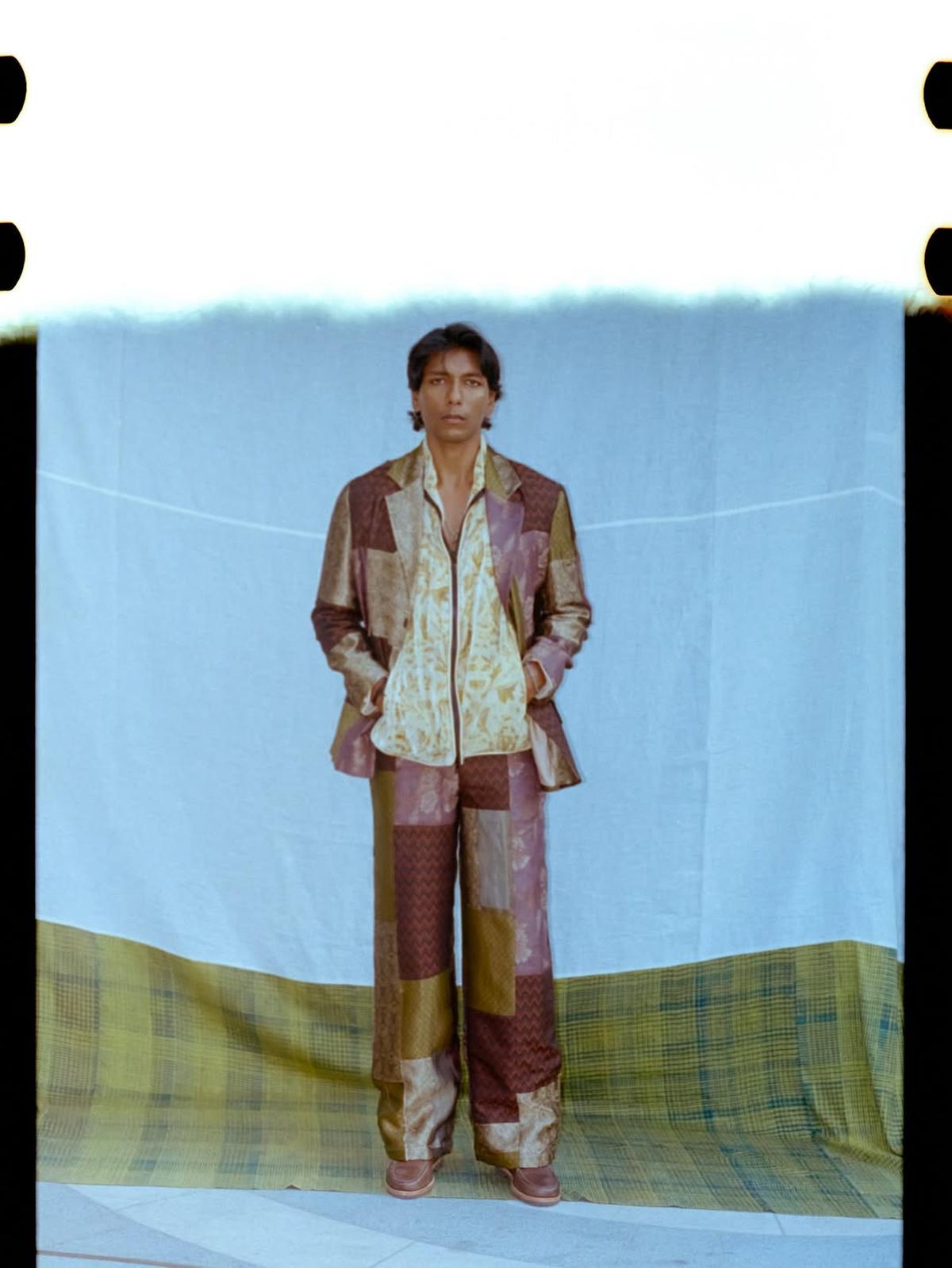
Designs from Kartik Research’s India debut
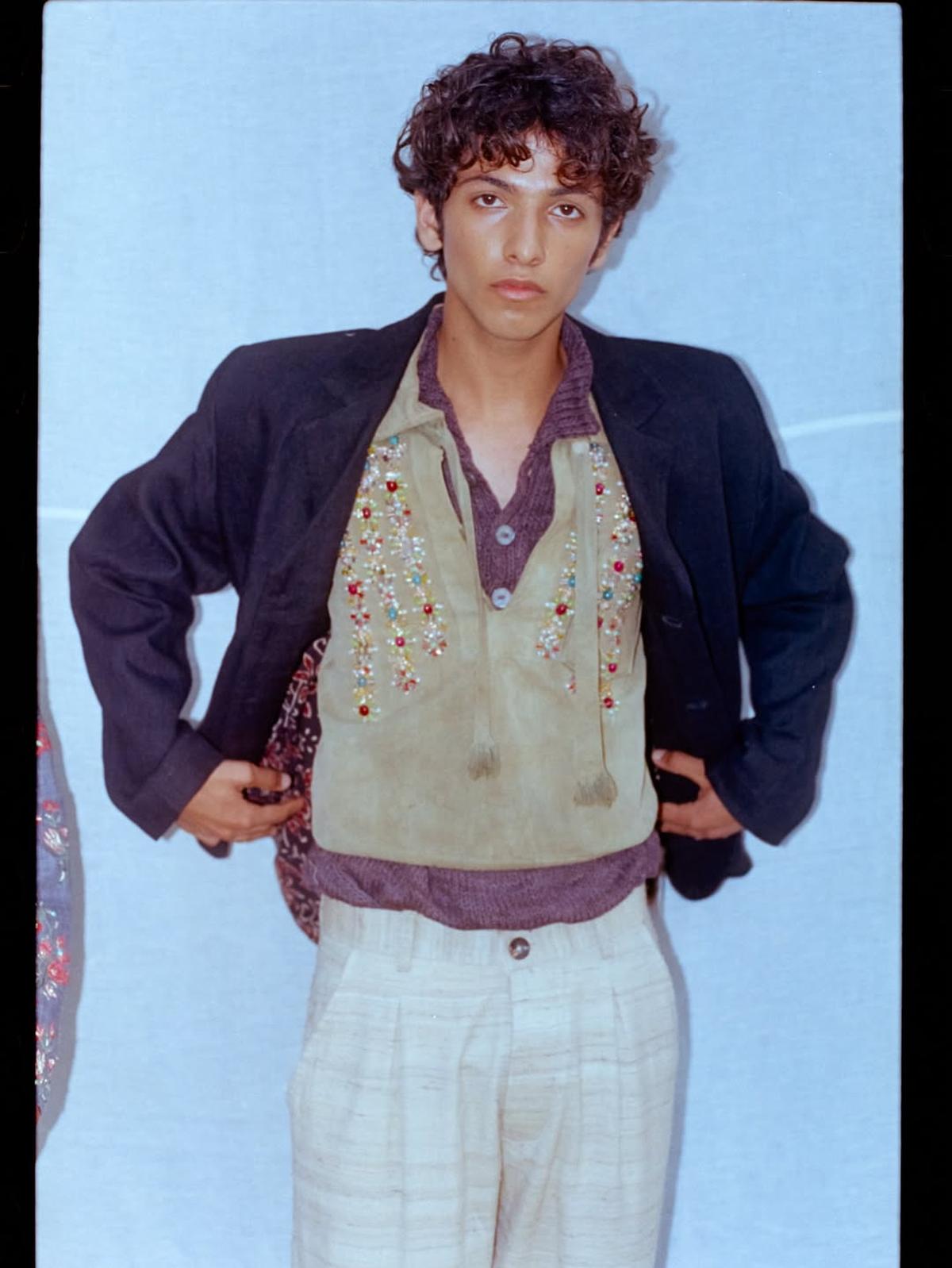
Last year, Kartik Kumra, brand founder and two-time semi-finalist at the prestigious LVMH Prize, had spoken to me before Paris Fashion Week about using block prints on silk and cotton, decorated with embroidered chintz prints, to reinterpret the uniform for men. His mission to take an artisanal version of Indian craft to a global audience has caught the attention of celebrities such as American rapper Kendrick Lamar, K-pop icon V of BTS, and even New York mayor Zohran Mamdani, who took oath in a custom eri silk tie with gold floral embroidery.
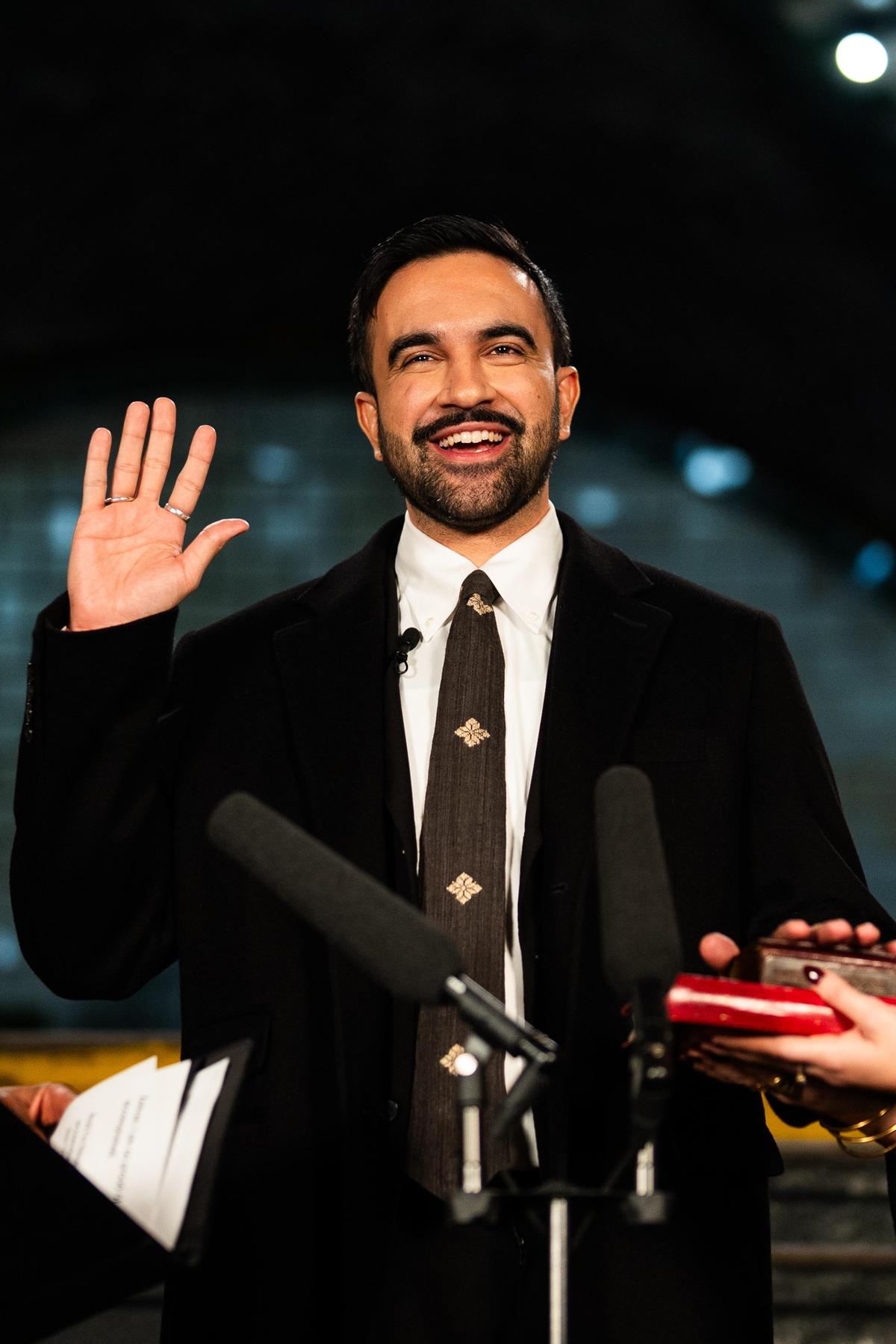
Zohran Mamdani takes the oath of office wearing a Kartik Research tie
| Photo Credit:
AP
“When I saw his [Kumra’s] collections in Paris for the first time, it changed everything I assumed Indian menswear to be,” a French luxury consumer tells me, admitting that he flew to India for LFW to discover what more the country’s fashion scene has to offer. Like Péro’s playful ‘Out of Office’ finale that brought a whimsical twist with ties reworked into bows and book-shaped clutch bags to corporate style, something men have had a chokehold on since the beginning of time.
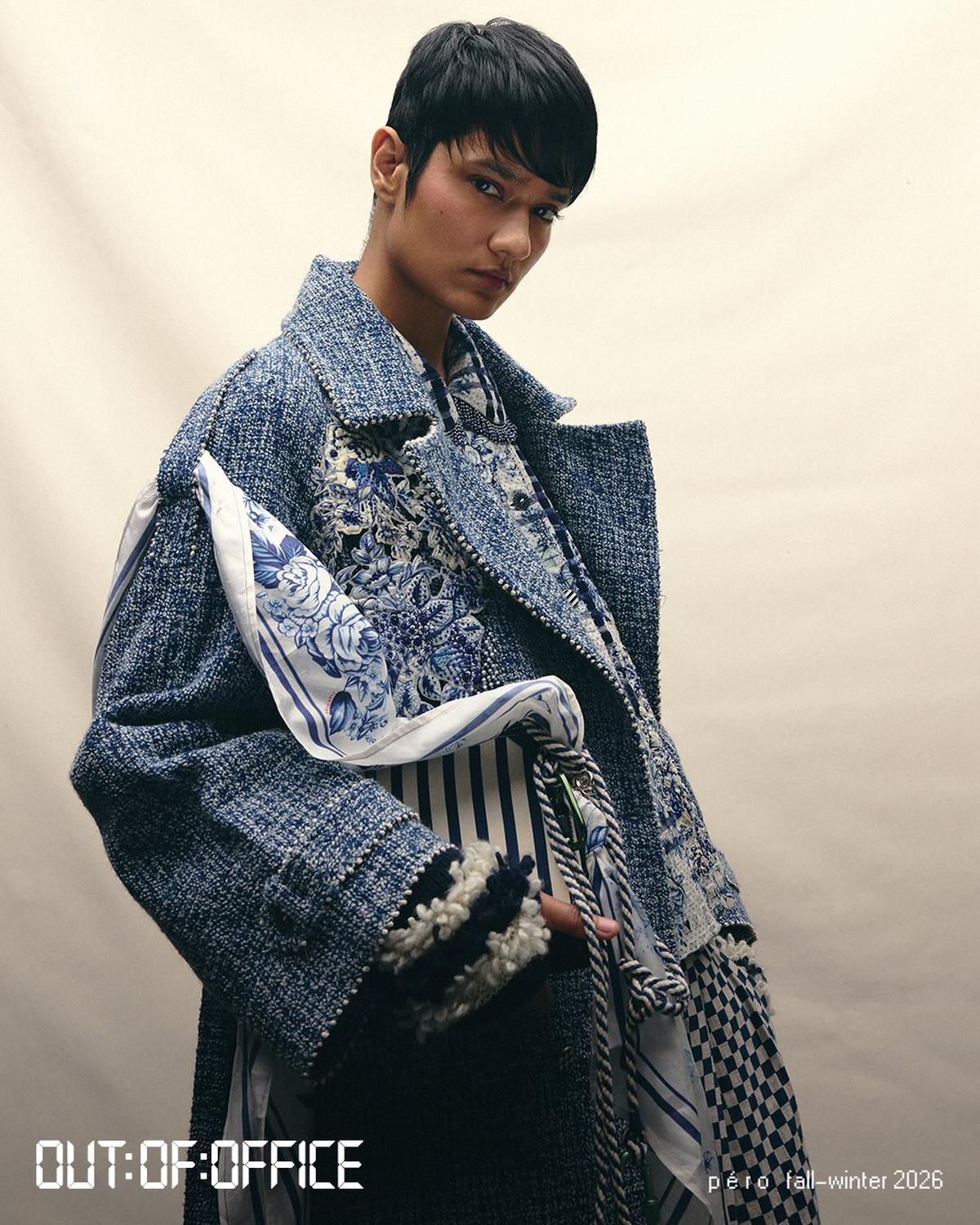
Péro’s playful ‘Out of Office’
Building a conscious clientele
Sustainability was woven skilfully into these collections. Pandey believes that circularity is a crucial focus area — it enhances consumer trust, especially among the younger generation of men. CRCLE’s use of Weganool (made from milkweed fibres and organic cotton), Anand’s hand-knitting and weight-based draping (a gravity-led technique to create heavy folds in thick fabrics or rippling effects in sheer materials), and Gupta’s plasma-engineered (an environmentally friendly alternative to wet chemical finishing) designs were pioneering demonstrations.
Nayyar of Ogaan explains that today’s preference for craft-forward menswear essentials also drives feel-good spending, in addition to eco-consciousness. “Labels like Divyam Mehta, Suket Dhir, Rajesh Pratap Singh and 11.11 have been championing Indian textile traditions through techniques such as indigo dyeing, hand spinning, shibori, kantha and textile-led craftsmanship with outstanding dedication,” he says.
Decades of labour’
Aria of Ensemble believes great quality, excellent finish and an original point of view are where the menswear market is headed. “And that’s where we want to be,” she says, about the kind of brands they want to stock at Ensemble.
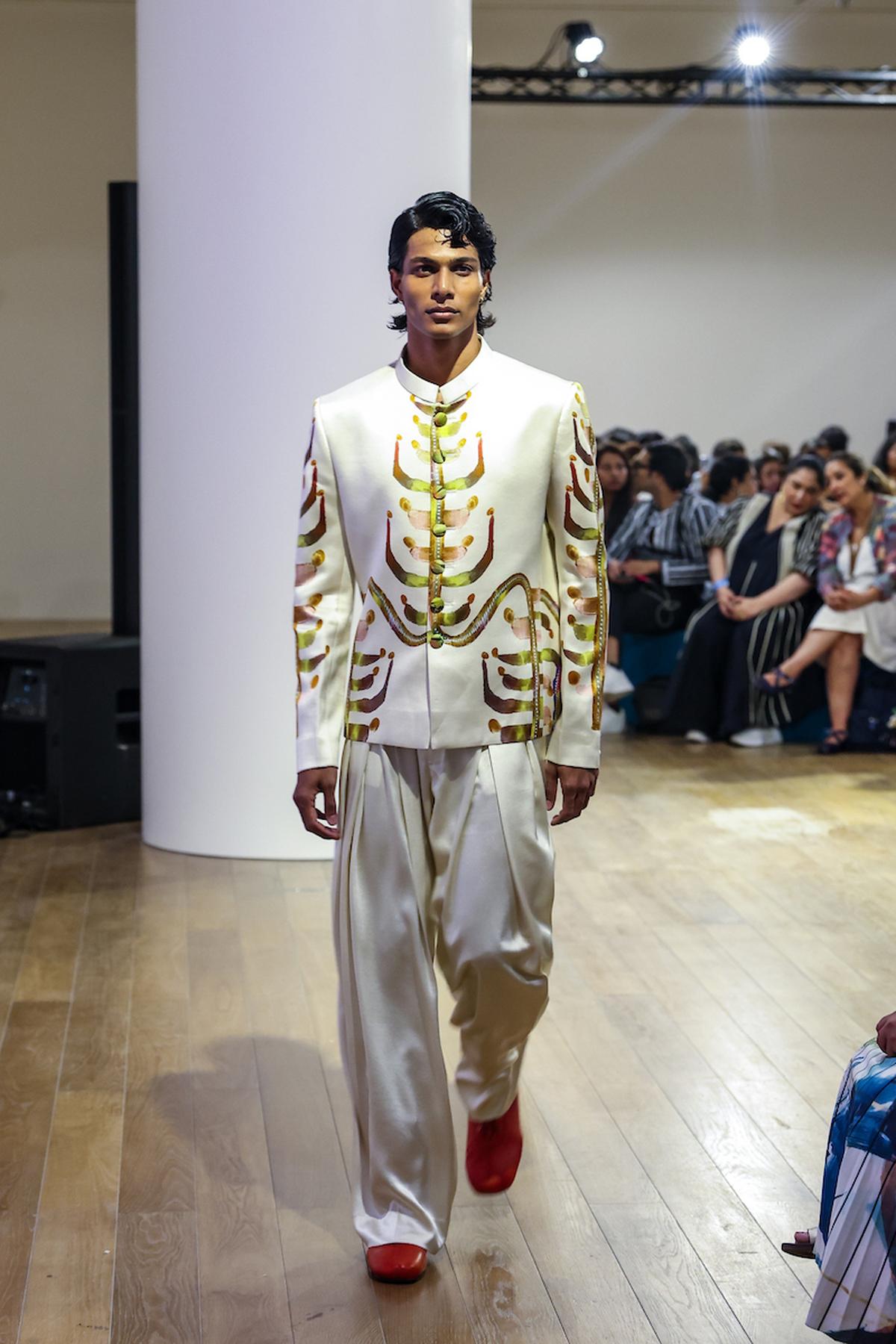
An AK|OK design
| Photo Credit:
Pal Pillai
Nod to accessories
The craft conversation has also extended to accessories. Péro, like many other brands in the lineup, had eclectic headbands, fringed caps and bow-tie shoelaces that blended with their clothes. “We are seeing a growing demand for cufflinks, buttons, and brooches,” says Aria. Nayyar agrees that men are “finally acquiring that eye for detail. Most begin experimenting with colour, texture and accessories like shoes, bags and jewellery”. Karunakaran’s temple necklaces and Countrymade’s metal-residue belts were proof.
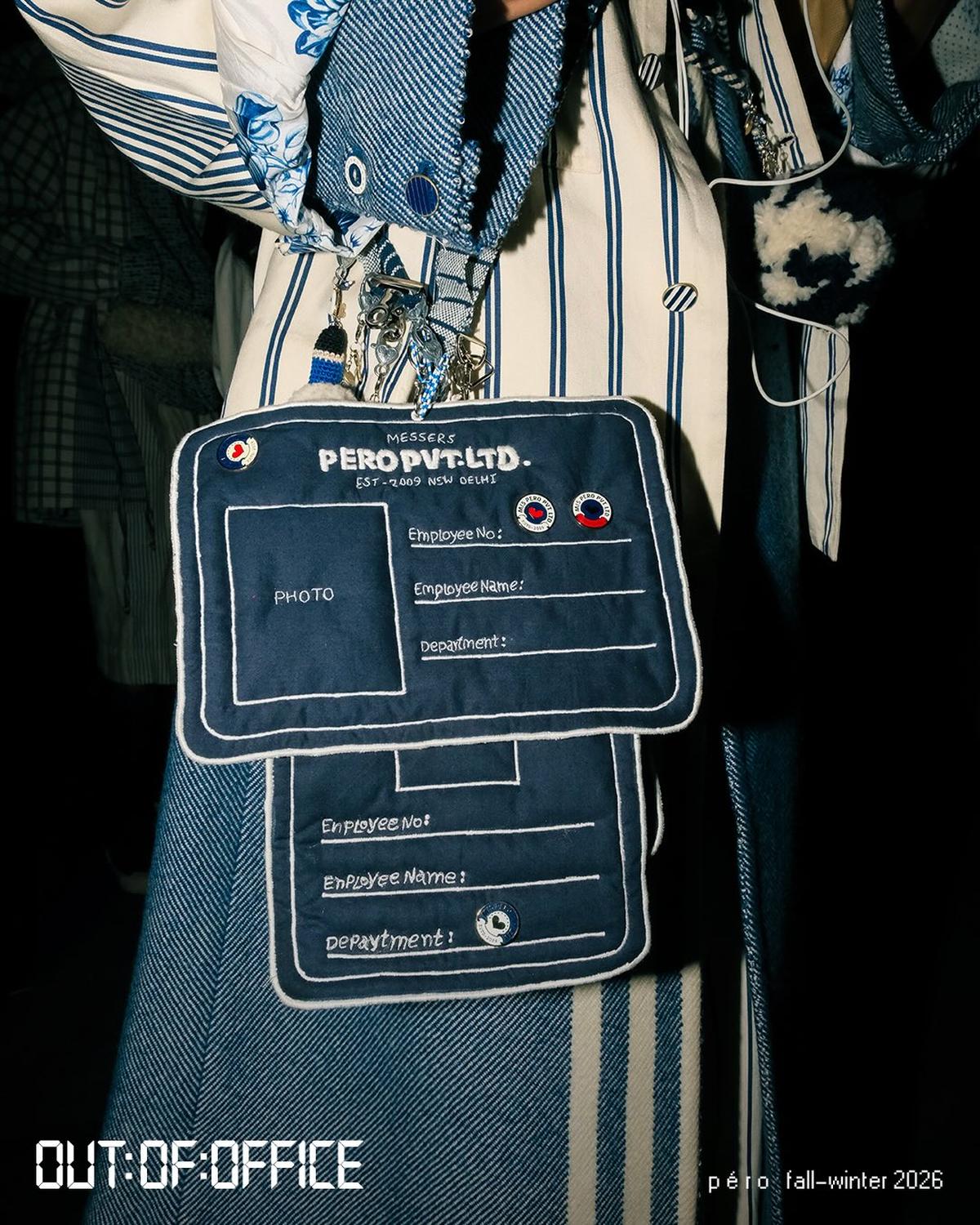
Péro’s accessories
The new look for men is not an overnight phenomenon. Even if many promising labels are young, most have worked purposefully for years to bring their vision to the mainstream. Karunakaran, who has received much praise after his latest show, calls it “a gift of decades of labour”. More than a sartorial transition, this extraordinary evolution of menswear has been aided by cultural decolonisation: one where men have become increasingly secure in their flamboyance, and fashion has once again become a core tenet of Indian masculinity.
The Mumbai-based writer, artist and editor reports on fashion and culture.
Discover more from stock updates now
Subscribe to get the latest posts sent to your email.