



Does sabudana grow on trees or is it factory-made: The simple truth |
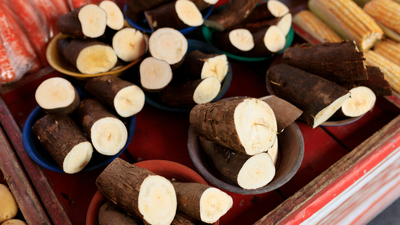
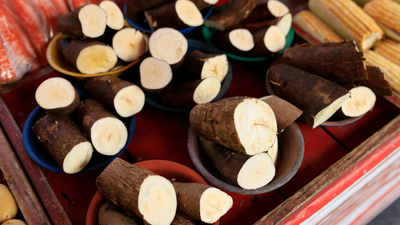
Sabudana, also known as tapioca pearls, is usually consumed during fasting and in recipes such as khichdi and kheer. It is also believed by many that sabudana grows on trees in the form in which you see it. On the other hand, some may also think that sabudana is completely artificial. But in reality, sabudana is neither of these. It is derived from nature but goes through a simple process before reaching your plate. Once you are aware of the process, the whole idea seems very simple and surprising. In fact, its journey from a raw root to soft, chewy pearls is more fascinating than most people imagine.
If not on a tree, what is sabudana made from
Sabudana is derived from the root of a plant called cassava (manihot esculenta) that grows underground like a potato.It is a natural root vegetable that is:

- Rich in starch (carbohydrates)
- Cannot be eaten raw due to the presence of toxins
- This Cassava root is the primary source from which sabudana is derived.
How is sabudana prepared
The method of preparing sabudana is quite simple and mechanical. The first step is to clean, scrape, and crush cassava roots to obtain starch, and then the starch is purified and given the form of small, round, white balls, and then roasted to obtain sabudana.Sabudana is obtained through “starch extraction, followed by granulation, and then roasting to obtain sago-like pearls,” according to the Central Tuber Crops Research Institute (CTCRI).
Is sabudana natural or artificial
Sabudana is often confusing because it looks like it is processed. But here is the simple truth:
- It is natural because it is from a plant root
- It is processed because it is made into pearls
- It is not artificial, just physically changed
So, it is somewhere in between natural food and processed food.
Why do people find this surprising
Many people believe that sabudana is something that occurs naturally in this form or looks like this in nature. However, this is not true, and it is interesting to note that while it looks one way, in actual fact, it looks entirely different in its original form. This is one of the ways in which something so simple and so mundane can be so different from its original form.Sabudana is something that is not exactly found in nature, nor is it something entirely artificial, and it is interesting to note that it is actually a root of a cassava plant, and then it is processed to this form, which makes it easier to understand your food and add a little curiosity to something as simple as a sabudana khichdi.
Discover more from stock updates now
Subscribe to get the latest posts sent to your email.