


NASA wants humans to live on the Moon: The lunar south pole could be home to a permanent lunar base; here’s why |
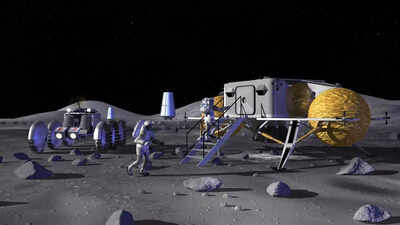
NASA seems to be gearing up for one of its boldest missions yet. This isn’t just about planting a flag and snapping photos. The agency is reportedly aiming for a permanent human base on the Moon. A real, functioning settlement where astronauts could live for extended periods. The south pole of the Moon has caught their attention mainly because it might have water ice. Water is critical. Not just for drinking, but it could also be converted into rocket fuel. NASA’s plans have support from the U.S. Senate and a recent executive order. Experts say it’s complicated, expensive, and risky, but undeniably exciting. Humanity could soon have a foothold on another world.
The Moon’s south pole and its hidden water ice reserves

The Moon isn’t exactly hospitable. Temperatures swing from extreme heat to cold. But the South Pole seems different. Reports suggest it has patches of water ice trapped in craters. This could be a game-changer. Water ice can be melted into drinkable water, split into hydrogen and oxygen for rocket fuel, or used in other life-support systems.Sunlight is another factor. The South Pole gets near-constant light on certain peaks. That makes solar panels much more effective. Contrast that with the equator, which faces long, freezing nights and scorching days. Locations like Shackleton Crater and Mons Mouton are reportedly strong candidates. NASA is still analysing safety and terrain too. Astronauts need a stable, secure place to live—not just resources.
Why nuclear reactors may power future bases on the Moon
Even with sunlight, the Moon has a serious problem: its long night. About 14 Earth days of darkness. Solar panels alone won’t last. That’s why NASA is exploring nuclear fission reactors. Small, deployable reactors could provide uninterrupted power. They would launch inactive and only be activated on the Moon. Radiation shielding would be crucial, as reactors will be placed away from habitats or partially buried.Legal complications also exist. The Artemis Accords emphasise safety and transparency. The Outer Space Treaty allows all nations access to the Moon. NASA reportedly has to ensure its nuclear plans respect these agreements. Experts say it’s tricky, but not impossible.
Robotic missions paving the way for a future Moon base
Astronauts won’t just land and start building. NASA plans to send robotic missions first. These machines will survey terrain, locate resources, and prepare landing sites. Lunar dust is extremely abrasive and can damage equipment. Robots will help clear it and even harden surfaces for human landings.Once the groundwork is done, astronauts will live in modular habitats. These can expand over time. NASA also hopes to use lunar soil, or regolith, for constructing more permanent shelters. That’s smart. It could shield inhabitants from radiation and micrometeorites. And it reduces the need to carry building materials from Earth.
Discover more from stock updates now
Subscribe to get the latest posts sent to your email.