7 signs every dog owner should know that their pet is dying |
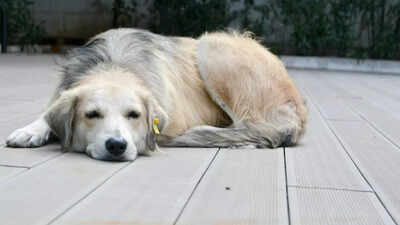
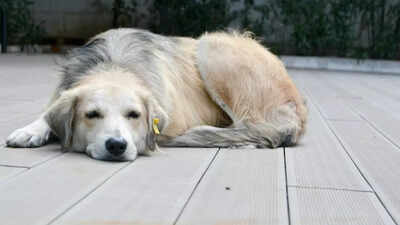
At some point, many dog owners face a question they never really want to ask out loud. Is my dog suffering? And if they are, how do I know when it is time to let them go? Dogs become part of everyday life in a way that is difficult to describe until you have one. They sit beside you during quiet evenings, greet you at the door, and somehow sense when something is wrong. So when their health begins to fail, the uncertainty can feel overwhelming. Many people imagine their pet will pass away peacefully in its sleep. Veterinarians say that is not always how it happens.In reality, dogs with serious illnesses can experience pain, anxiety, nausea, or breathing problems as their bodies begin to shut down. Because of this, humane euthanasia is sometimes recommended to prevent prolonged suffering.
Signs your dog is dying that every owner should know

Subtle behaviour changes
In many cases, the first signs that something is wrong are not dramatic. They are small changes in behaviour. A dog that once seemed full of energy may start acting differently. Perhaps it sleeps longer than usual. Perhaps it no longer brings toys over for a game.Sometimes dogs become quiet and withdrawn. They might spend more time alone in another room or curl up somewhere they usually would not, but dogs react oppositely. They stay very close to their owners, almost constantly. It can feel as though they are seeking comfort.Confusion may also appear. Owners sometimes notice their dog wandering slowly around the house or staring into space. It might look like the dog is unsure where it is, even in familiar surroundings.Restlessness can happen, too. A dog may struggle to settle down or pace around the room. Occasionally, there is irritability. A dog that normally enjoys being touched might suddenly pull away or snap. Pain is often the reason behind this change.
Circulation problems
As certain diseases progress, the heart and circulatory system may start to weaken. Dogs experiencing heart failure often develop a cough. It can sound dry or persistent, and many owners notice it when the dog is lying down.Fluid may begin collecting in the lungs. When this happens, breathing becomes harder. Poor circulation also means less oxygen reaches the body’s tissues. The result is fatigue. Dogs may appear weak or tire very quickly.
Breathing patterns
Breathing difficulties are another sign that owners sometimes notice as a dog approaches the final stages of illness. Panting can occur even when the dog is resting. Some dogs develop a cough, while others seem to struggle when trying to take a deep breath.Breaths may become shallow or irregular. Several medical conditions can cause this. Heart disease is one possibility. Lung disease is another. Certain cancers and metabolic disorders, including kidney or liver disease, can also affect breathing.
Appetite often fades
A declining appetite is extremely common in dogs nearing the end of life. At first the change may seem minor. A dog might eat more slowly or leave part of its meal untouched. Eventually, interest in food can disappear almost entirely.Water intake may drop as well, which can lead to dehydration. Many illnesses contribute to this change. Kidney disease, liver disease, and digestive disorders frequently cause nausea. When dogs feel sick, eating becomes unpleasant.
Loss of mobility
A dog may struggle to rise after lying down. Walking might appear stiff or unsteady. Climbing stairs can suddenly become difficult. Jumping onto furniture may stop altogether.Several factors can contribute to this decline. Pain from arthritis is one. Muscle loss is another. Neurological conditions may also affect movement. Eventually some dogs are unable to stand without help. For many owners, this stage makes the seriousness of the situation very clear.
Weight loss and physical changes
As appetite decreases and illness progresses, physical changes usually follow. Dogs may begin losing weight. Muscle mass gradually shrinks. Their ribs might become more noticeable. Their overall body shape can look thinner or frailer than before.Sometimes this decline happens slowly over several months. Other times it seems to occur within a much shorter period.
Loss of bladder or bowel control
Another sign that often appears late in the process is incontinence. Dogs may lose control of their bladder or bowels. In some cases they simply cannot get up quickly enough to go outside. Muscle weakness may be responsible. Neurological problems can also interfere with normal control.Some dogs appear embarrassed after accidents. Others seem unaware of what has happened.
Thinking about quality of life
Veterinarians often encourage owners to step back and think about their dog’s overall quality of life and answer few questions.
- Is the dog still eating and drinking?
- Does it show interest in family members?
- Can it rest comfortably without obvious pain?
- Another simple question can be helpful. Are there still more good days than bad ones?
When the difficult days begin to dominate, it may be time to consider what is best for the dog.
Discover more from stock updates now
Subscribe to get the latest posts sent to your email.