


NASA turns the International Space Station into a yoghurt lab to study food for future Mars missions |
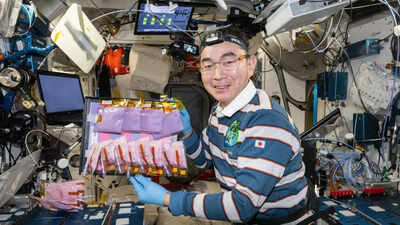
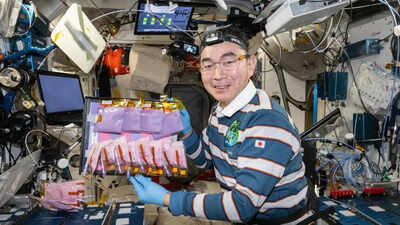
NASA is running a new scientific study on the International Space Station (ISS) to understand how certain fermented foods and useful nutrients behave in space. This research is part of a larger effort to prepare for long missions to the Moon, Mars and beyond. Some nutrients that humans need do not last long in normal packaged astronaut food. NASA scientists are looking into how microorganisms can make these nutrients on demand while they are in orbit to solve this problem. The goal of the fermented food research on the ISS is to find out if microbial systems that work on Earth can also work in space and how they could be used to keep astronauts healthy on long space trips. Scientists could use this information to make food systems that keep crews healthy on missions that last for months or even years.
What is the BioNutrients food study on the ISS
NASA’s BioNutrients project is a series of investigations that use microorganisms to produce important nutrients in space. These experiments borrow from methods similar to food fermentation on Earth, such as turning milk into yoghurt using bacteria. In this case, the microbes are engineered to make specific nutrients that astronauts might need during long missions.In the latest phase, called BioNutrients-3, crews on the ISS work with production packs that contain growth media (food for microorganisms), engineered yeast and starter cultures used in yoghurt and kefir. The crew adds water and mixes the contents, then uses a small incubator to let the microbes grow. We will freeze these samples and send them back to Earth for later study.The aim of this research is not to consume the fermented products at this stage, but to ascertain the feasibility of cultivating and preserving nutrients safely in microgravity, as well as the impact of the low Earth orbit environment on this process.

Why study fermented foods in space
For long space missions, storing food can be hard. Most of the food that astronauts eat now is freeze-dried or comes in packages that don’t last long. If you want to go to Mars or stay on the Moon for a long time, just eating prepackaged food might not be enough. Scientists are therefore looking into on-demand food production systems that could make food and nutrients while the mission is going on.Fermentation is a natural process on Earth that uses microbes to change food and keep nutrients in it. NASA wants to know if systems that work like fermentation can be used to make fresh, nutrient-rich foods or supplements for astronauts while they are in space or on the surface of another planet. Scientists can also learn about how space radiation and microgravity change the chemistry of food and the growth of microbes by studying this.
Previous research on food fermentation in space
Along with NASA’s BioNutrients project, scientific research has shown that food can be fermented on purpose in space. For instance, scientists were able to ferment miso on the International Space Station. The space-made miso was sent back to Earth after 30 days of fermentation and studied. According to a report published by Phys.org, scientists found that the miso was still recognisable as traditional miso, although it had some flavour differences. The report noted that factors such as microgravity and higher temperatures aboard the space station may have influenced the final taste.This type of study shows that microbes can live and thrive in space. The Space reports say that the results show that food could be made or changed in orbit. The findings bolster the notion that forthcoming space food systems may offer a wider variety of foods and enhanced nutrients compared to the prepackaged meals currently used during extended missions.
How samples are returned and analysed on Earth
Spacecraft like SpaceX’s Dragon bring back scientific materials from the ISS on a regular basis. They also bring back samples from BioNutrients-3 and other related experiments. Once the samples are on Earth, scientists at NASA facilities like the Ames Research Center in California start to look at them in detail. Checking how quickly microbes grow, how much food they make, and how the fermentation process compares to similar ones on Earth are all part of these steps.This study is important for understanding how microgravity and space radiation affect living things and how food is made. It also helps us figure out if the systems used in space are safe and reliable enough to be used in life support and nutrition systems on long missions in the future.
What this means for future space exploration
As part of its larger plan to make long-term space travel more sustainable, NASA is studying fermented foods in space. Scientists want to know how microbes work and make nutrients in microgravity so they can build systems that can grow important food parts while they’re in space. This work helps NASA’s Artemis mission and future human exploration of Mars by finding a solution to one of the biggest problems with space travel: how to get enough food and keep it fresh for a long time.NASA’s research on BioNutrients and related fields adds to what we know about how astronauts might be able to grow or prepare a wider range of foods on other planets and possibly on Earth. This could help the mission succeed and keep the crew healthy on long trips across the solar system.
Discover more from stock updates now
Subscribe to get the latest posts sent to your email.