


As Harvard and Yale consider a cap on ‘A’ grades, Princeton holds steady
A history of grade caps and reversal

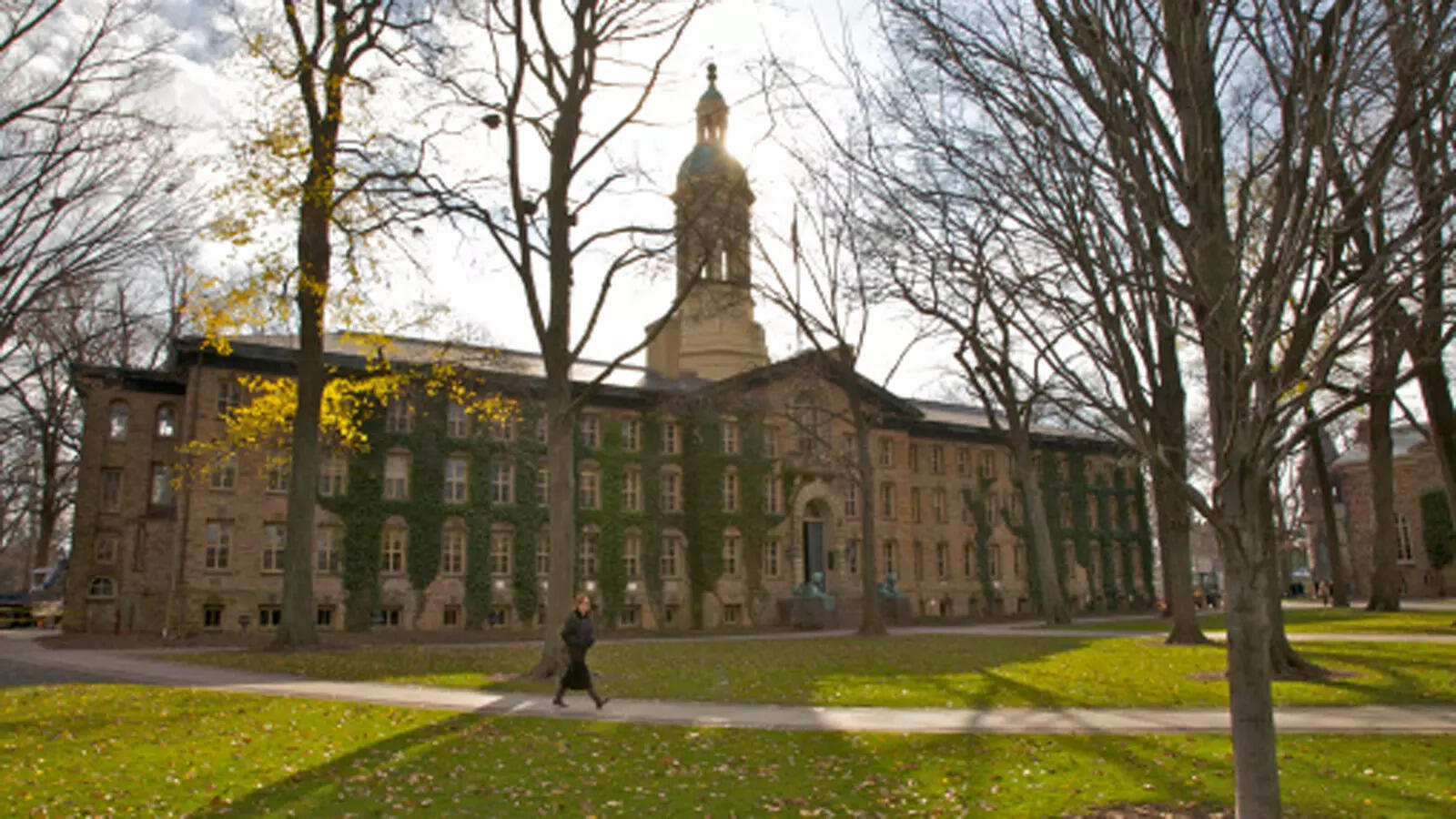
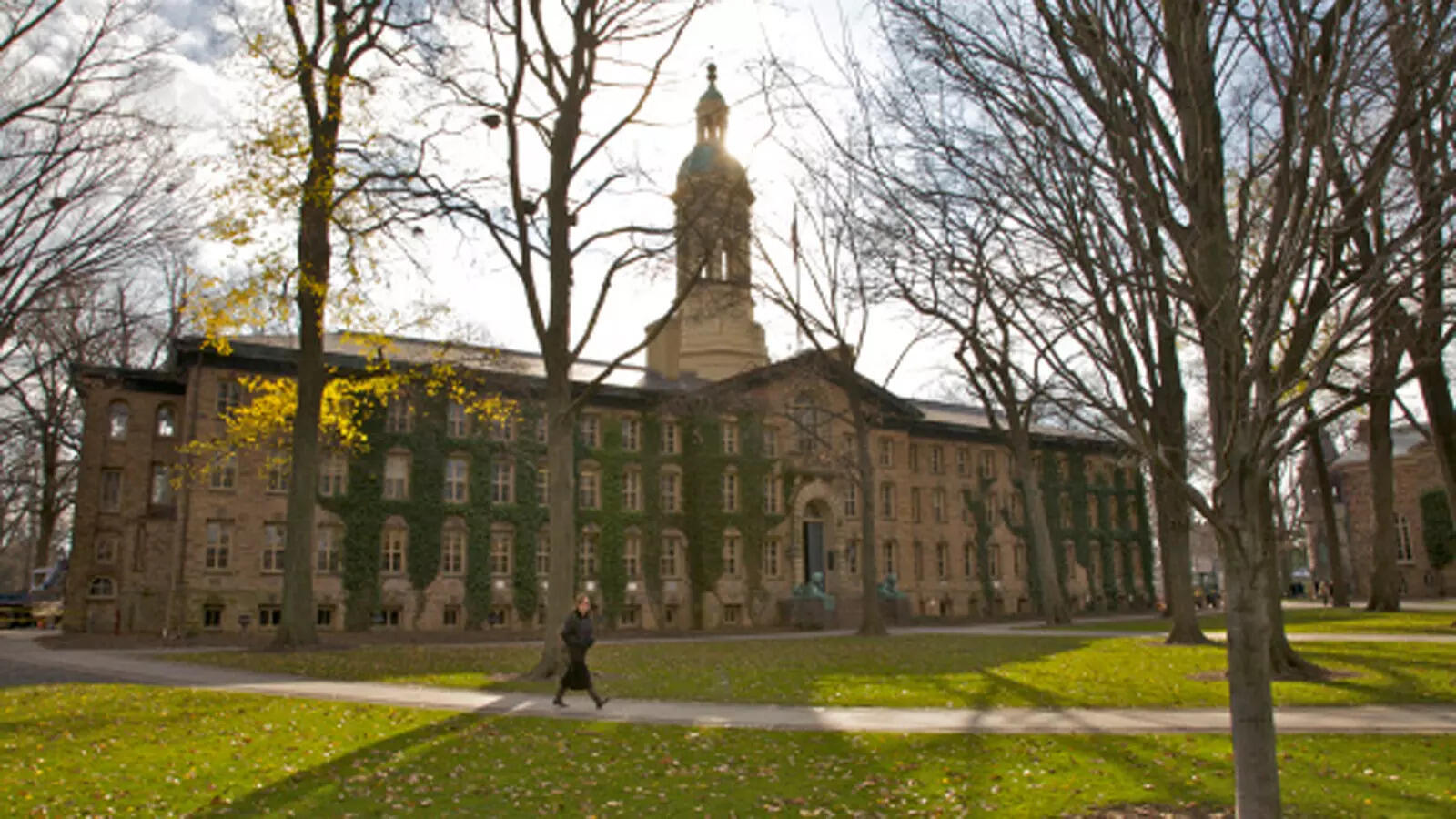
Princeton previously confronted grade inflation in 2004, when it introduced nonbinding caps intended to limit A range grades to 35 percent of coursework and 55 percent of independent work.The policy was rescinded in 2014 after an ad hoc committee concluded that the targets functioned as informal quotas. The committee found that numerical ceilings contributed to student stress and competition.“Such targets are too often misinterpreted as quotas,” the 2014 report stated. “They add a large element of stress to students’ lives, making them feel as though they are competing for a limited resource of A grades.”Instead of central caps, the committee recommended that individual departments develop grading standards tailored to their disciplines. The report distinguished between standards and grades, noting that standards define evaluative expectations while grades measure the extent to which students meet them.
A continued upwards trend
Since the 2004 policy was overturned, A range grades have continued to rise. From 2010 to 2013, they accounted for an average of 41.8 percent of all course grades. By 2024 to 2025, the share had reached 66.7 percent.The December report also found that eight of the 10 largest departments awarded B grades or higher to 94 percent of senior theses in 2024 to 2025. It further noted that faculty use of A plus grades “does not currently reflect the stated policy.”According to the report, some instructors use the A plus to mark the top percentage of students in a class rather than reserving it for exceptional work.At a December faculty meeting, Gordin presented the findings and acknowledged concerns about grade inflation. He reiterated that grading standards are determined by departments rather than by the central administration, The Daily reports.
Peer institutions weigh changes
The discussion at Princeton unfolds alongside developments at other Ivy League universities.At Harvard University, an October 2025 report found that 60 percent of undergraduate grades were straight A’s, prompting faculty debate over possible grade caps. A faculty committee proposed limits on the number of A’s awarded, though a Harvard Undergraduate Association survey found that 85 percent of students opposed the plan.At Yale University, Yale College Dean Pericles Lewis told the Yale Daily News that the institution is monitoring grading policy changes at both Harvard and Princeton. Lewis said he wanted an A at Yale to carry comparable value to an A at peer institutions.Princeton’s administration, however, has not signalled a similar course. When asked when the University might revisit its approach if inflation continues, Gordin responded, “I have no idea, as the future is uncertain,” The Daily reports.The Faculty Committee on Examinations and Standing is scheduled to meet on March 17. For now, the University’s position is continuity rather than correction, even as the proportion of A range grades continues to rise.
Discover more from stock updates now
Subscribe to get the latest posts sent to your email.