World’s largest tropical lake turns into a ‘deadly zone’: Africa’s Lake Victoria is turning green, toxic, and unstoppable |
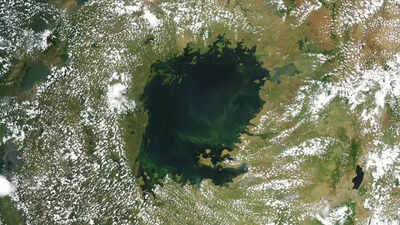
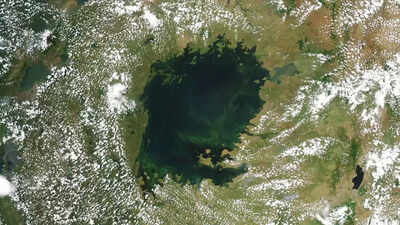
The waters of Lake Victoria have turned an unsettling green. And it seems, it’s not just a passing bloom this time. Local fishermen barely flinch anymore. What was once occasional now appears almost permanent. The world’s largest tropical lake is changing, and people who rely on it are feeling the effects every day. Millions in Kenya, Tanzania, and Uganda drink from it. The lake has shaped lives for generations, but now, scientists warn that its recovery might be impossible. At least, on any timeframe humans might hope for. The green isn’t just cosmetic; it’s toxic and spreading.
What’s really turning the Lake Victoria toxic

Experts say it’s the usual culprits: nitrogen, phosphorus, fertilizer runoff, and sewage. Rain washes them into the lake, big blooms form, and Cyanobacteria thrive. What started as a few blooms decades ago now looks like a permanent feature. Satellite images show a lake that glows green in certain bays, sounds haunting. Some locals try to avoid the scum, but the toxins hide in clear water too. A study from 2021 measured nitrate levels in rivers feeding the lake. The Nyando River reportedly dumps over 6,000 kilograms a day during peak rains. Nzoia River, around 22,000 kilograms daily. Fertilizer, manure, sewage. All of it. Experts say these numbers are huge that is enough to trigger explosive algal growth. That growth sucks oxygen from the water leads to the death of fish, and in addition to this, the deeper parts of the lake are reportedly turning into dead zones.
How the lake changed over time
Photosynthetic pigments rose steadily from the 1920s. Zooplankton populations crashed around the 1960s, and Haplochromine cichlids disappeared in the 1980s. The lake didn’t suddenly fall apart experts note that what we see now is the long-term result of human activity in the catchment area, land use changes, damming, and rainfall shifts, all of which played a part.Microcystis and Dolichospermum dominate now. Both produce microcystin, a liver-damaging toxin, which suggests the blooms aren’t static. Researchers also found hundreds of uncharacterised cyanobacterial genes. But locals can’t rely on spotting green scum to know if the water is safe, which might look harmless and still be dangerous.
What leads fish to fight for survival
Fisheries support hundreds of thousands of tons annually, and a $600 million export industry. Now, oxygen fluctuations and food web collapse put catches at risk. Fish processing factories reportedly worry about consistency. Seasonal die-offs that were once “normal” are now systemic. Experts fear the lake could hit a point where it simply won’t bounce back.Lake Victoria isn’t just green, but warning us. Human activity, population growth, and climate interactions might have pushed it past a line we can’t easily reverse.
Discover more from stock updates now
Subscribe to get the latest posts sent to your email.