Columbia reports major foreign funding of $1.2 billion as US tightens disclosure enforcement
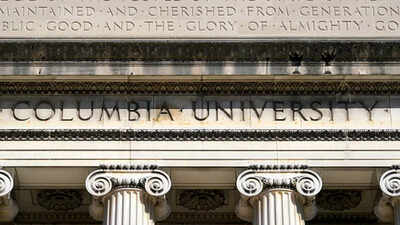
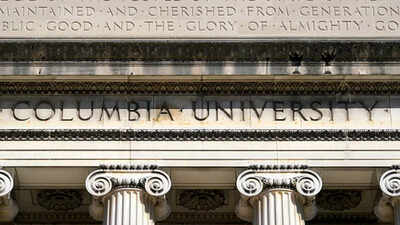
Columbia University is among the top 10 US universities receiving foreign funding, with total disclosures reaching $1.2 billion as of January 31, 2025. The figures come from a new data dashboard released by the US Department of Education on January 2. According to reporting by The Columbia Spectator, the funding largely comes from China and England. The data has renewed attention on foreign donations to American universities, especially after recent federal scrutiny and new compliance measures introduced under President Donald Trump’s administration.
What federal law requires

Under Section 117 of the Higher Education Act of 1965, US colleges and universities must report foreign gifts or contracts worth $250,000 or more. These disclosures apply to funds received from foreign governments, organisations, or individuals.As reported by The Columbia Spectator, Columbia has faced government scrutiny over its foreign ties for several years. In July 2025, the university entered into a $221 million agreement with the Trump administration. As part of the deal, Columbia agreed to comply fully with federal foreign gift reporting requirements and respond to lawful government requests related to funding sources.A university spokesperson told The Columbia Spectator that Columbia is in compliance with Section 117 reporting rules. In April 2025, President Trump signed an executive order directing stricter enforcement of disclosure requirements, stating that the law had not been strongly enforced in the past.Other institutions such as Cornell University and Northwestern University have also agreed to similar compliance terms.
Breakdown of Columbia’s foreign funding
According to the Department of Education dashboard, 39 percent of Columbia’s foreign funding came as unrestricted gifts. Another 22.1 percent came from restricted gifts, where donors designate specific uses. However, the university retains financial and administrative control over these funds.Contracts make up the remaining portion. About 22.4 percent came from contracts supporting faculty positions, academic programmes, and student financial aid. The remaining 16.4 percent came from other types of contracts.International students form 39 percent of Columbia’s student body — the highest proportion in the Ivy League. A Wall Street Journal analysis estimated that international students contributed about $903 million to the university’s economy in 2023.
Qatar funding debate and global centres
Foreign funding in US universities has drawn criticism in recent years, particularly concerning Qatar. According to federal data, Qatar has contributed nearly $6.6 billion to American institutions, the highest among foreign nations. Some universities receiving higher funding than Columbia operate branch campuses in Qatar.A June 2024 report by the Institute for the Study of Global Antisemitism and Policy alleged undisclosed Qatari funding to Columbia. However, a university official told The Columbia Spectator that Columbia has not received Qatari funding meeting the reporting threshold and described the report’s claims as inaccurate.Columbia has also expanded its global presence through 10 Global Centers worldwide. Following the cancellation of $400 million in federal grants in March 2025, the university agreed to implement new commitments, including launching programming at its Tel Aviv Global Center.Experts say transparency is key. Alexander Cooley, a professor at Barnard College, told The Columbia Spectator that foreign funding is acceptable if it does not compromise academic independence and remains transparent.
Discover more from stock updates now
Subscribe to get the latest posts sent to your email.