


“I was fired because my manager was insecure of my success”: Corporate employee shares how toxic leadership damages companies and ‘mistakes’ to avoid
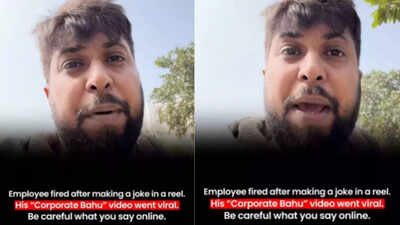
It took Ajay Sharma Chinta nearly three months to speak openly about what happened to him.“It wasn’t easy,” he says. “I’m still looking for a job, and I was genuinely afraid that talking about my experience might affect my future prospects.”Ajay is soft-spoken, hardworking, and widely regarded by his colleagues as talented. He was part of the content team at a Noida-based OTT media company, where his performance had consistently been rated well. A few months before his exit, he received a 20 percent salary hike, something he saw as a sign that his work was valued. Naturally, he hoped a promotion might follow.


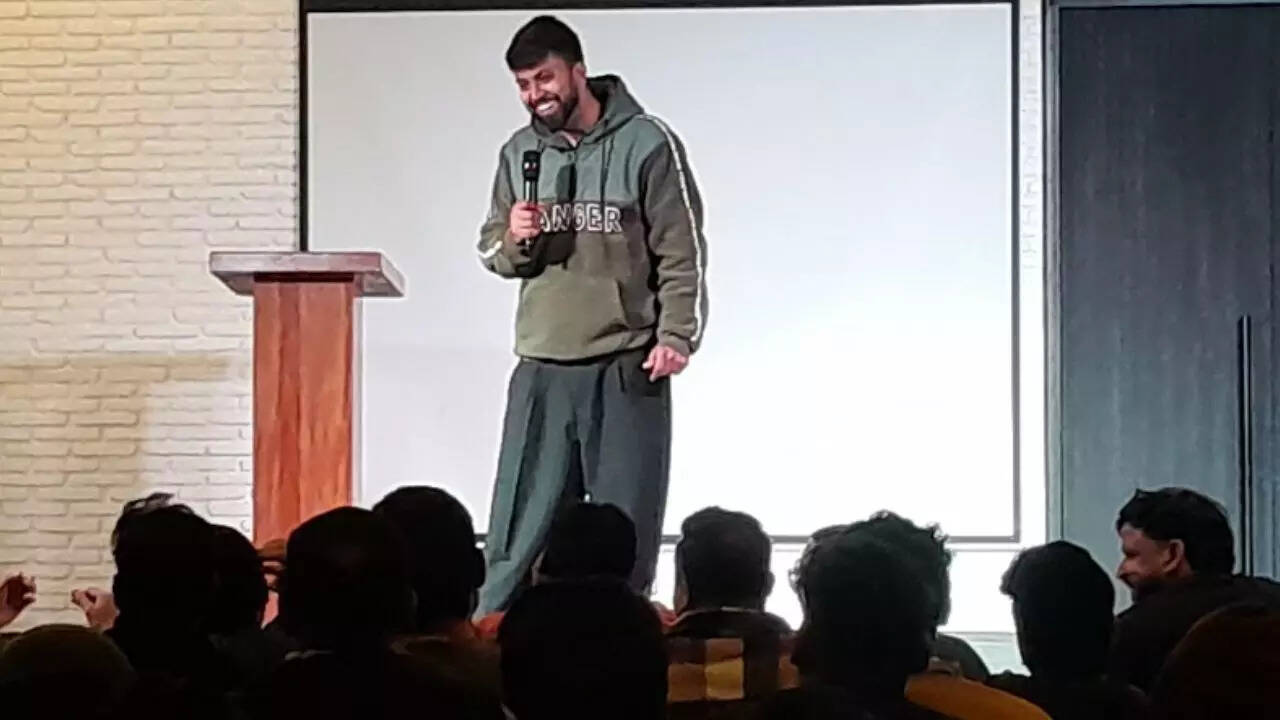
Instead, his employment ended abruptly on October 31, 2025.The trigger, Ajay believes, was not his work but an Instagram reel.Outside his corporate role, Ajay is a part-time stand-up comedian. Like many young creatives today, he posts short comedy reels on social media. On September 24, he uploaded a video that struck a chord with thousands of viewers and went viral overnight. In the reel, he humorously described the everyday frustrations of corporate life—an overbearing manager who keeps tabs like a strict mother-in-law, and an HR system that often works in lockstep with senior management. The video did not mention any company or individual by name and was clearly intended as light-hearted satire.But the reel eventually reached his manager.“I still remember that day,” Ajay recalls. “Around 2 pm, my manager called me and asked me to resign. When I asked why, I was told it was because of poor performance.”The explanation stunned him. “I was among the top performers in the team. I had just received a good hike. There was nothing-no warning, no performance review, nothing—to suggest I was underperforming.”
Ajay says he was then threatened with immediate termination if he refused to resign. He requested to serve his notice period so he could at least make arrangements and start looking for another job. The request was denied. He was asked to submit his laptop immediately and leave the premises. He wasn’t even given a day to transfer his personal data.“For days, I didn’t know what to do,” he says. “I felt humiliated and deeply disappointed.”What hurts Ajay most is not just the loss of a job but the missed opportunity. “I worked in an OTT company. I had ideas, skills, and creative energy they could have used. They could have simply said, ‘Can you develop something like this for us?’ I would have happily done it.”Instead, he feels insecurity won.

“In many companies, there are managers who don’t want creative minds around them,” Ajay says. “They feel threatened. Rather than nurturing talent, they try to suppress it.”He believes this is why the same employee can perform exceptionally under one manager and struggle under another. “Some managers spend more time protecting their position than building numbers, revenue, or strong teams. Office politics drains people. It sucks the life out of good performers.”Ajay also points to the limited recourse employees have. “Senior management often doesn’t see what’s really happening on the ground. They rely on what the manager and HR report. Even if you try to speak up, the information often goes straight back to the same people you’re complaining about.”The long-term cost, he says, is borne by the company itself. “Talent is quietly pushed out. Ideas never see the light of day. Business suffers—but those at the top are often too far removed to notice.”Ajay shares one such instance- a script he developed that had strong commercial potential and even drew interest from a popular movie star. “It could have made money. But it never moved forward because my manager felt insecure.”Today, Ajay’s story reflects a wider truth about corporate India, where many employees want to perform, grow, and contribute, but find themselves trapped in environments shaped by fear, hierarchy, and internal politics.“It’s a sad state of affairs,” he says. “People aren’t always working just for money. They work because they care about what they do. They are happy about their work. But when growth is seen as a threat rather than an asset, everyone loses.”“Do not say anything against your manager or HR if you want to survive, even if it is in jest,” he warns corporate employees. Ajay is creative and is willing to work and give the best to his company, but the entire experience has shaken his faith in hard work and dedication.Ajay’s experience sheds light on a quiet but damaging reality-companies don’t just lose employees when insecure leadership takes over-they lose ideas, momentum, and trust.
Discover more from stock updates now
Subscribe to get the latest posts sent to your email.