




Economic Survey calls for tackling rising digital addiction and screen-related mental health problems

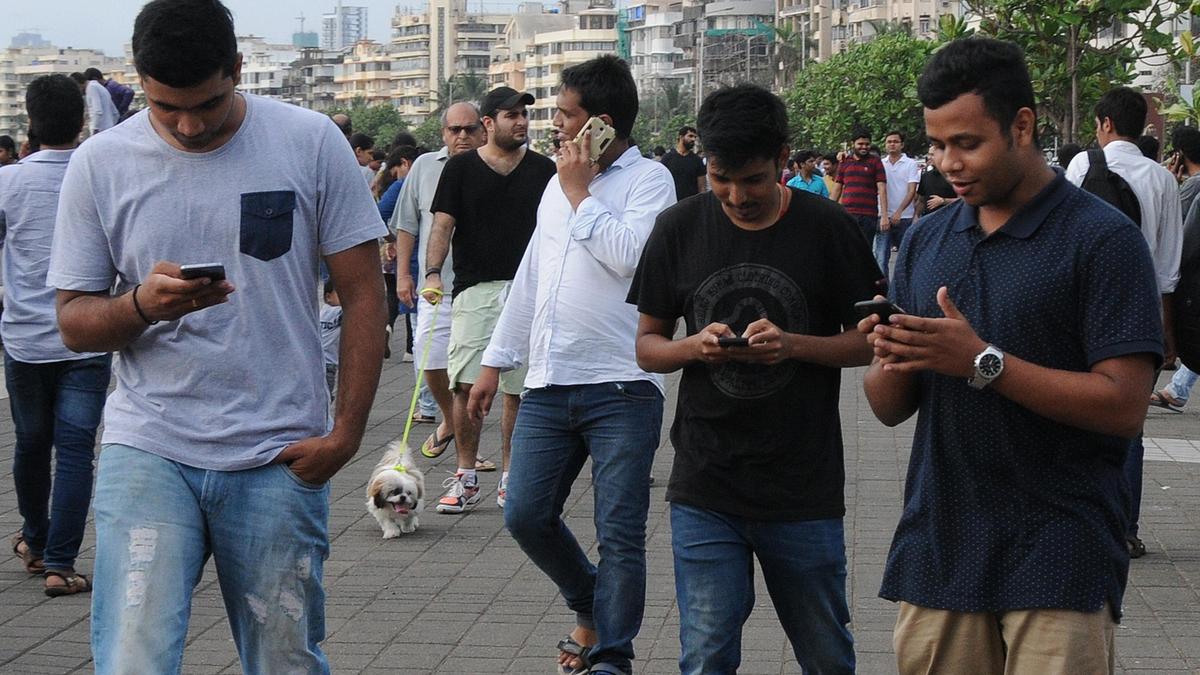
File photo of youngsters walking on Marine Drive in Mumbai.
| Photo Credit: VIVEK BENDRE
The Survey has recommended structured interventions including cyber-safety education, peer-mentor programmes, mandatory physical activity in schools, parental training on screen-time management, age-appropriate digital access policies, and platform accountability for harmful content.

It also suggests network-level safeguards such as differentiated data plans for educational-versus-recreational use and default blocking of high-risk content categories.
On mental healthcare delivery, the Survey proposes expanding the national Tele-MANAS programme beyond crisis counselling to actively address digital addiction. Integration with school and college systems and training of dedicated counsellors is recommended to normalise help-seeking behaviour and enable early intervention at scale.
Preventive healthcare approach
The Economic Survey also emphasised a strategic shift in India’s health policy from a treatment-centric model to a public and preventive healthcare-led approach, recognising that long-term economic productivity depends on healthier human capital. It highlighted the growing burden of non-communicable diseases (NCDs) including cardiovascular disorders, diabetes, obesity and mental health conditions that are increasingly affecting even working-age populations, alongside the continued challenge of communicable diseases.
The Survey also underlined the importance of technology-enabled public health surveillance and service delivery and stated that sustained investment in preventive care, nutrition, mental health, digital wellness and community-level health systems is essential to protect India’s demographic dividend and ensure a healthier, more productive workforce in the coming decades.
Decline in MMR
It also noted that since 1990, India has reduced its maternal mortality rate (MMR) by 86%, far exceeding the global average of 48%. “A 78% decline in the under-five mortality rate (U5MR) was achieved, surpassing the global reduction of 61% and a 70% decline in the neonatal mortality rate (NMR) compared to 54% globally during 1990 to 2023. The infant mortality rate (IMR) marked a drop of more than 37% over the past decade, declining from 40 deaths per thousand live births in 2013 to 25 in 2023,” it said.
Speaking about the Survey, Roma Kumar, clinical psychologist, Sir Ganga Ram Hospital, said the pandemic accelerated screen dependence as isolation and disrupted routines pushed individuals toward digital spaces for connection and distraction.
“Excessive screen time aggravates all lifestyle diseases. Preventive strategies include exercise, stress management, and lifestyle changes from a young age,” added Dr. Kumar.
Vinay Agarwal, former national president, Indian Medical Association (IMA) said that India has an inappropriate share of both infectious and non-infectious diseases. “Burdened by the thrifty gene inherited over centuries, the current lifestyle and food choices end up in fatty liver, obesity, and diabetes mellitus. Add the stressful modern life to it and we have the recipe for hypertension, stroke and cardiovascular diseases. Seven hours of uninterrupted sleep, traditional food with fruits, vegetables and fish plus 30 minutes of exercise daily could save us,” he said.
Published – February 03, 2026 04:30 pm IST
Discover more from stock updates now
Subscribe to get the latest posts sent to your email.