US Department of Education proposes major changes to student loans, sets new caps for graduate borrowing
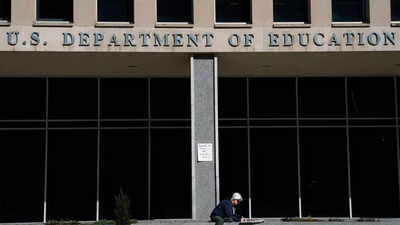
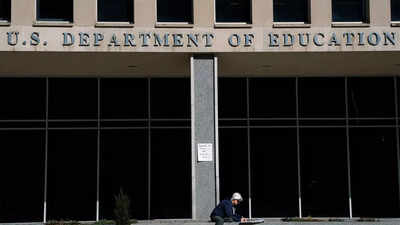
The U.S. Department of Education has issued a Notice of Proposed Rulemaking (NPRM) to implement sweeping changes to the federal student loan system under President Trump’s Working Families Tax Cuts Act. The proposed rule aims to reduce higher education costs, simplify loan repayment options, and introduce borrowing limits for graduate and professional students. The rule will remain open for public comment for 30 days, with submissions due by March 2, 2026. After reviewing feedback, the Department will finalize the regulations. The NPRM marks the first of three planned rules to implement changes to the Higher Education Act.
Grad PLUS eliminated, new loan caps introduced
One of the most significant changes in the proposal is the elimination of the Grad PLUS program, which previously allowed graduate students to borrow up to the full cost of attendance. Lawmakers have argued that unlimited borrowing contributed to rising graduate tuition.Beginning July 2026, new graduate students will be limited to $20,500 per year in federal loans, with a $100,000 lifetime cap. Professional students will be allowed up to $50,000 per year, with a $200,000 aggregate limit.The Department stated that graduate borrowing now represents a large share of federal loan balances, particularly within income-driven repayment plans. Officials say the new limits are designed to curb overborrowing, reduce tuition inflation, and protect both borrowers and taxpayers.Colleges and universities will also be permitted to set program-level loan caps below federal limits. This would allow institutions to align borrowing more closely with actual program costs and expected earnings.

Simplified repayment system
The proposed rule reduces multiple repayment options into two primary plans:
- A tiered standard repayment plan with fixed terms of 10, 15, 20, or 25 years, depending on loan balance
- A single income-driven repayment plan, called the
Repayment Assistance Plan
Under the new income-driven option, payments will be based on a borrower’s ability to pay. The Department said borrowers who make on-time payments will be protected from interest accumulation that increases their loan balance.Officials said the changes are intended to reduce confusion and create a clearer repayment structure.
Second chance for loan rehabilitation
The proposal would allow borrowers to rehabilitate a defaulted loan twice. Previously, borrowers were allowed only one rehabilitation opportunity. The Department said this change would help individuals return to good standing and resume repayment.
Public comment and negotiated rulemaking
Comments must be submitted through Regulations.gov. The Department will not accept fax or email submissions.The proposed regulations were developed through the Reimagining and Improving Student Education (RISE) negotiated rulemaking committee, which included representatives from higher education institutions, legal aid groups, business leaders, students, and taxpayer advocates. The committee reached consensus in November 2025.Under federal law, the Department was required to publish the NPRM using the agreed-upon language after consensus was achieved.The Department said this rule is the first of three planned regulatory actions to implement changes made by the Act.
Discover more from stock updates now
Subscribe to get the latest posts sent to your email.