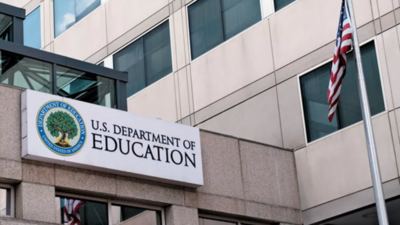
US Education Department forms AIM committee to reform college accreditation and cut student costs
The U.S. Department of Education on Monday announced the formation of the Accreditation, Innovation, and Modernization (AIM) negotiated rulemaking committee, a major initiative aimed at reforming the nation’s higher education accreditation system. The committee will develop proposed regulations to simplify recognition of new and existing accreditors, reduce administrative burdens, safeguard student outcomes, and ensure compliance with federal civil rights laws.The announcement is part of the Trump Administration’s ongoing efforts to modernize the accreditation process, following Executive Order 14279, Reforming Accreditation to Strengthen Higher Education. According to the Department, the AIM committee will address structural flaws in the current system that critics say have contributed to rising tuition costs, credential inflation, and administrative inefficiencies in colleges and universities.
Reforming accreditation: Why it matters

Under Secretary of Education Nicholas Kent described accreditation as “the central nervous system of higher education,” emphasizing that the current system has become “protectionist.” Kent said the regime often shields existing accrediting bodies, fuels unnecessary costs, drives credential inflation, and allows undue influence from trade associations. “Rather than focusing on whether institutions deliver high-quality programs that benefit students and the workforce, the system protects entrenched interests,” he said.The AIM committee’s mandate is to challenge these entrenched practices while ensuring transparency, accountability, and measurable student success. The Department has invited nominations for negotiators to participate in the committee until February 27, 2026. The committee will convene for two five-day sessions in April and May 2026, with a public feedback process before final rules are published.
Key areas of focus
The AIM committee will concentrate on four core areas:Deregulation: The Department intends to reduce unnecessary and burdensome regulations that hinder the entry of new accreditors. The intention is to simplify the process such that colleges and universities are not overwhelmed with administrative work and can select accreditors who fit their mission and values.Student Outcomes: The focus will shift toward data-driven assessments of student success, rather than policies tied to diversity, equity, and inclusion standards that the Department considers unlawful.Merit and Civil Rights Compliance: The accreditation standards will be assessed for the absence of any discriminatory standards, which are based on immutable factors such as race, gender, or ethnicity. This also encompasses the assessment of scholarship policies that could perpetuate discrimination.Integrity and Transparency: Accrediting organizations must stay separate from trade groups, avoid confusing names like “regional accreditor,” and improve credit transfer rules. This will help students save time and money by reducing the need to repeat courses.
Building on previous reforms
The AIM committee takes advantage of the work that the Trump Administration has already begun to implement over the past year. This includes the lifting of the moratorium on new accreditors that was put in place during the Biden Administration and making it easier for colleges to switch their accrediting agencies. The Department also has plans to revise the Accreditation Handbook.
Public participation and rulemaking
The establishment of the committee is in line with Section 492 of the Higher Education Act, which states that the Secretary of Education must seek public input before proposing regulations. In April and May 2025, the Department conducted public hearings to gather feedback from educators, administrators, and other interested individuals, who included among their recommendations a need for greater transparency, accountability, and focus on student outcomes.The AIM committee represents the most significant push in recent years to reform U.S. higher education accreditation. By addressing cost, integrity, and measurable success, the Department aims to ensure that the system not only protects institutional standards but also serves students and the workforce effectively.
Discover more from stock updates now
Subscribe to get the latest posts sent to your email.