What the European Union-India trade deal means for auto giants
Sajjad Hussain | Afp | Getty Images
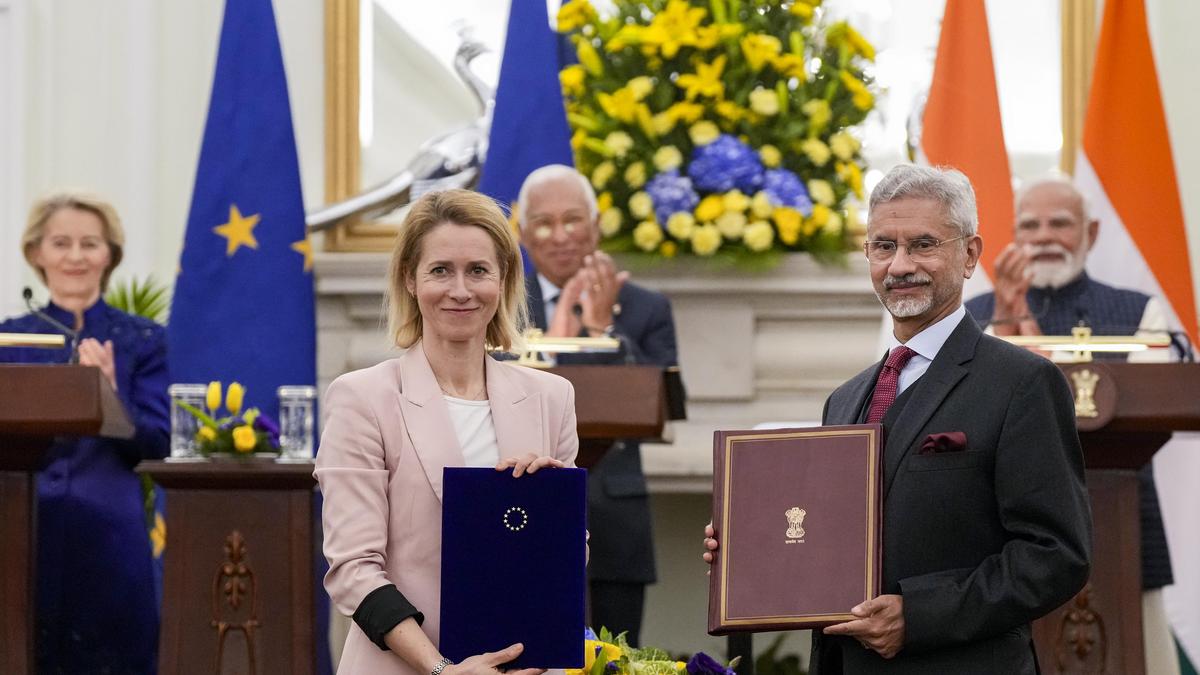
The EU and India on Tuesday signed what European Commission President Ursula von der Leyen and India Prime Minister Narendra Modi described as the “mother of all deals.”

The long-pending agreement, which comes as both sides seek to strengthen ties amid U.S. tensions, includes slashing tariffs on imports of EU-made cars to 10% from as high as 110% under a quota of 250,000 vehicles per year.
It represents the biggest opening yet of India’s previously restricted car market to European original equipment manufacturers, with German engineering association VDMA describing it as a “day of celebration for export-oriented mechanical engineering.”
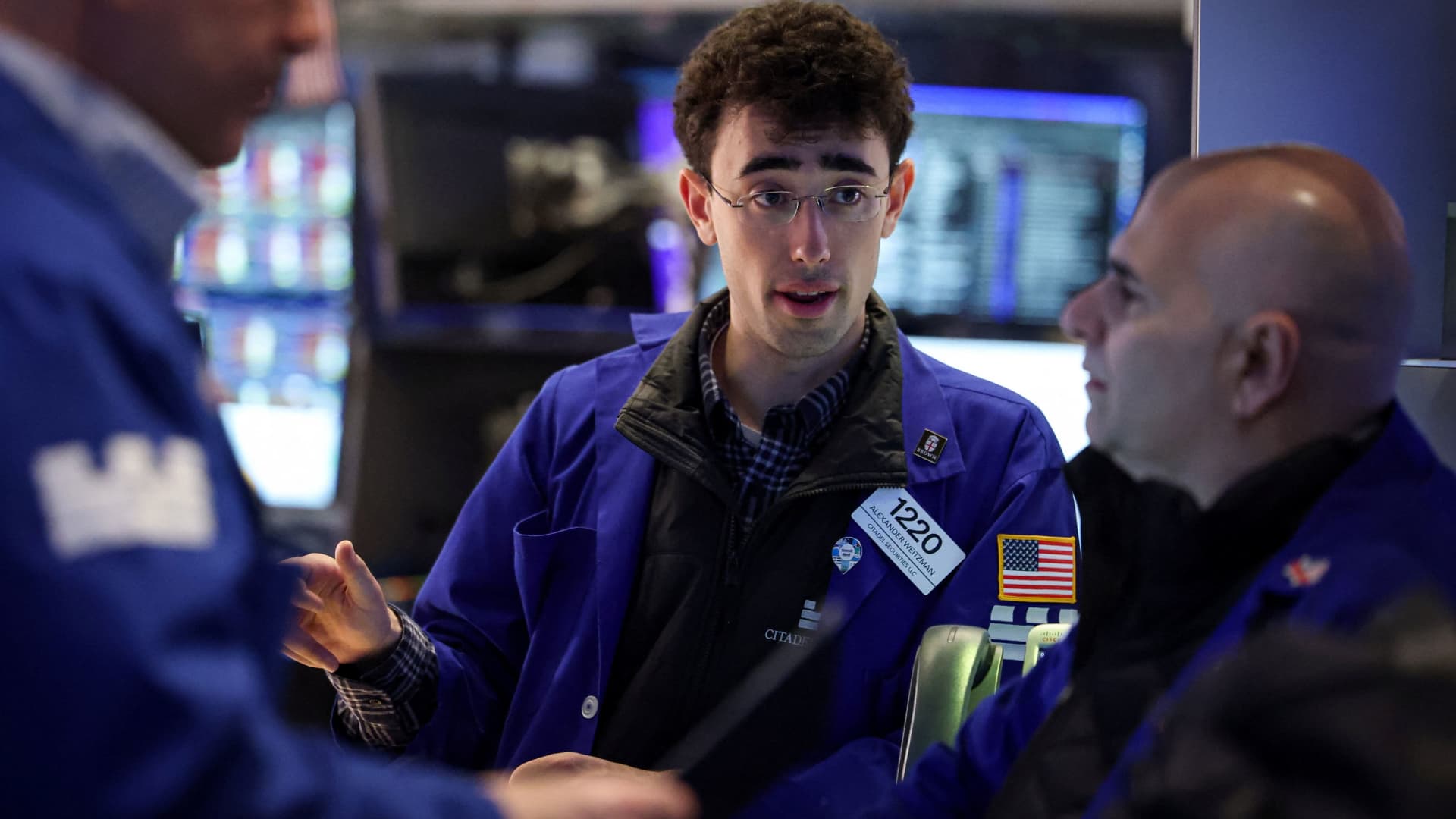
Europe’s Stoxx Automobiles and Parts index traded nearly 1% lower on the news, however, with Volkswagen, BMW and France’s Renault all off by around 1.3% during morning deals.
Michael Field, chief equity strategist at Morningstar, said that in an increasingly volatile environment, any international trade deal is good news.
“That autos are one of the largest exports from the EU to India means this deal could be a welcome boost to the European autos industry,” Field told CNBC by email.
“The Indian auto market is heavily dominated by domestic players, which will be difficult to disrupt, but this gives European auto manufacturers a fighting chance,” he added.
The deal could also open up a new market for luxury European auto manufacturers, such as Germany’s Porsche, with price points “more affordable” for the middle classes, Field said.
‘Much-needed oxygen’
European carmakers, which have been battling crises on multiple fronts in recent months, are set to receive tariff reductions in India that none of Delhi’s other trading partners have received.
To be sure, India represents the world’s third-largest market for passenger cars worldwide and auto industry groups expect tax cuts, particularly for smaller vehicles, to stimulate the country’s market significantly in 2026.
Thilo Brodtmann, executive director of Germany’s VDMA, said the EU-India trade deal will give European manufacturers a much-needed competitive boost, describing India’s car market as one of the world’s fastest-growing and most strategically important.
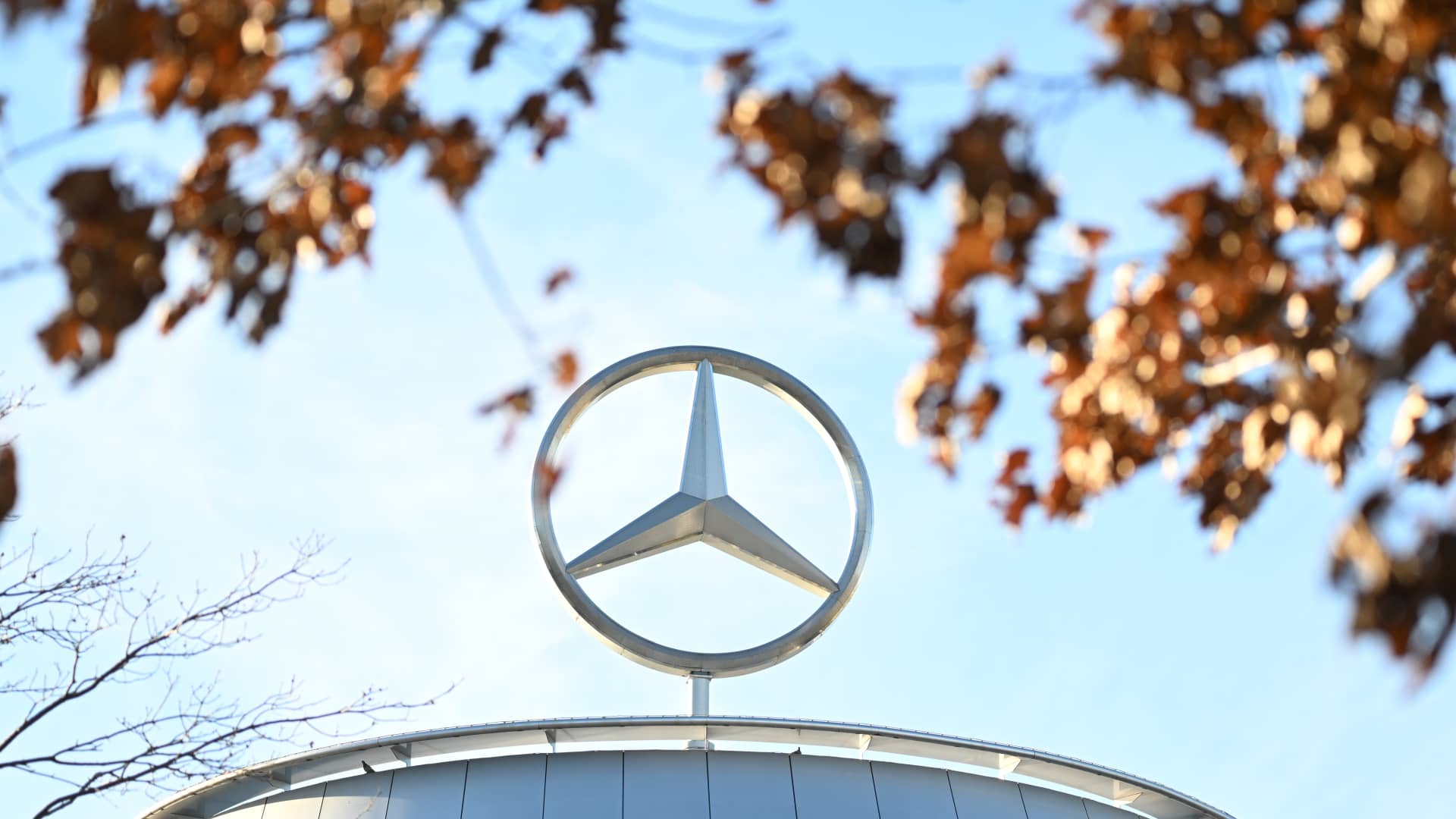
The Mercedes star, the brand logo of the vehicle manufacturer Mercedes-Benz, rotates on a building of a Mercedes-Benz car dealership.
Picture Alliance | Picture Alliance | Getty Images
“Export-oriented mechanical and plant engineering needs rule-based trade like it needs air to breathe. The free trade agreement between India and the EU brings much-needed oxygen to a world increasingly dominated by trade conflicts,” Brodtmann said in a statement.
“The EU has delivered. With this agreement, Europe is sending a clear signal in favour of rules-based trade and against the law of the jungle,” he added.
‘A boon to European automakers’
Eugene Hsiao, head of China equity strategy and China autos at Macquarie Capital, said the deal appears to show a greater willingness across geographies for open markets and to work together, noting the agreement will be positive for both the EU and India.
“We all know the geopolitical events over the last week or so and I think if you’re the EU or India then you’re looking to diversify. That’s the first thing and this is probably the crux of why they would do something like this at this point,” Hsiao told CNBC on Tuesday.
“Specifically on the autos side, because autos is a very large market and India is a growing market, you can see that the Europeans would be very interested in getting access to this. And historically, my understanding is that India has been relatively restrictive, so having this available is a boon to European automakers,” he added.
Discover more from stock updates now
Subscribe to get the latest posts sent to your email.